经济高效的 GPT Image 2 API 定价,助力规模化图像工作流
Kie.ai 提供极具性价比的 GPT-Image-2 API 定价方案,让团队能够基于更强大的 OpenAI 图像模型进行开发,而无需在早期承担过高成本。对于需要高频生成图像、反复测试提示词、批量创作视觉素材或涉及大规模图像编辑工作流的产品而言,这一点至关重要,因为定价往往直接影响上线决策。凭借更具成本效益的投产路径,开发者可以从实验阶段平滑过渡到实际使用,更好地掌控预算与业务增长。
GPT Image 2 是 OpenAI 推出的下一代图像生成模型,具备更强的照片级逼真度、更无痕的图像编辑能力、更清晰的文字渲染效果,并能生成更具质感的产品摄影图。它专为高级视觉工作流打造,突破了基础的“文生图”限制,全面满足高品质创意、商业及设计场景的应用需求。
Used to describe the generated images.
0/20000For 2K and 4K resolution, the following aspect ratios are not supported: 5:4, 4:5, 3:1, 1:3, and 9:21.
Image resolution
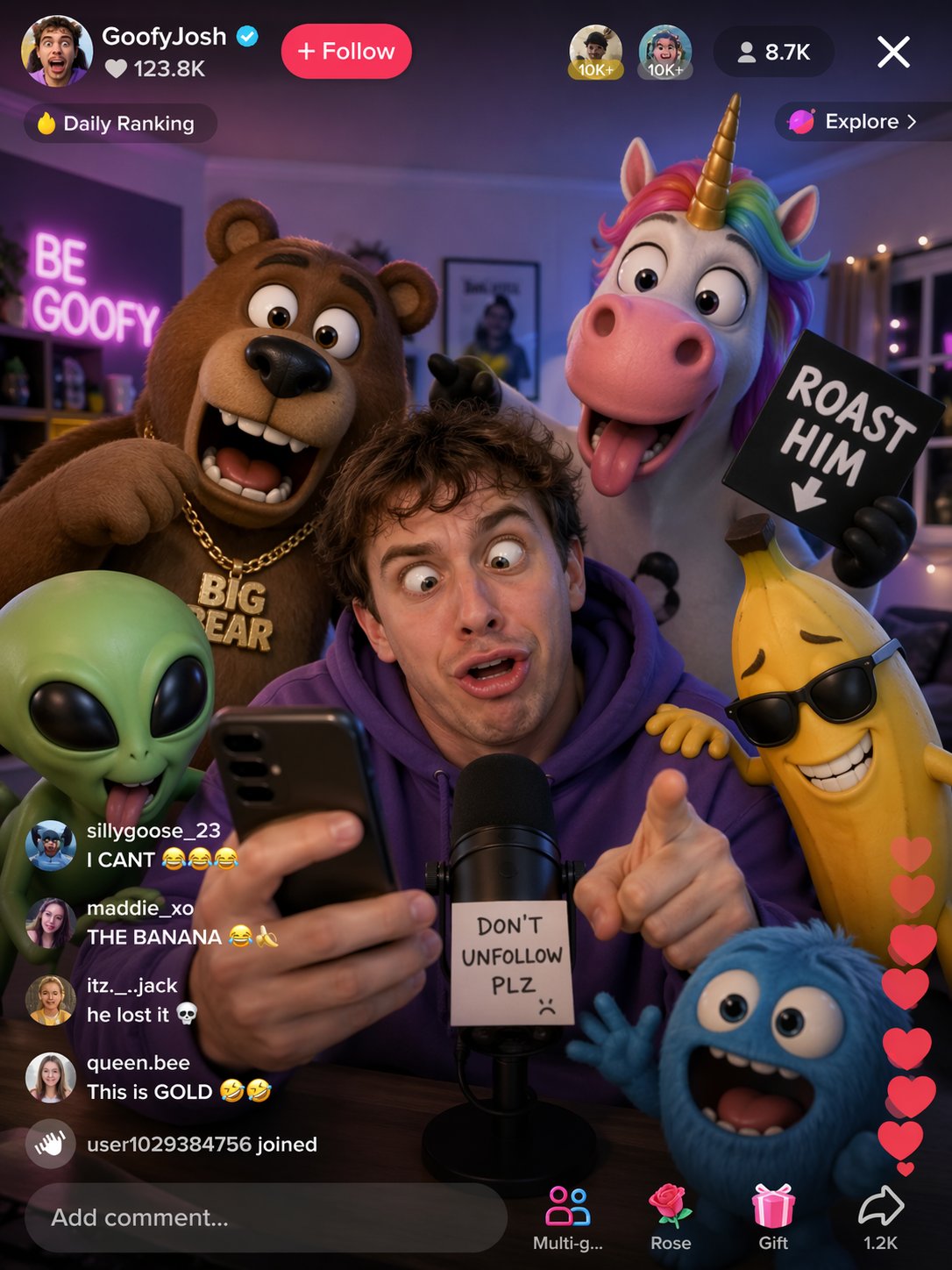
Explore different use cases and parameter configurations
Used to describe the generated images.
0/20000Click to upload or drag and drop
Supported formats: JPEG, PNG, WEBP, JPG Maximum file size: 30MB; Maximum files: 16
Image for reference
For 2K and 4K resolution, the following aspect ratios are not supported: 5:4, 4:5, 3:1, 1:3, and 9:21.
Image resolution
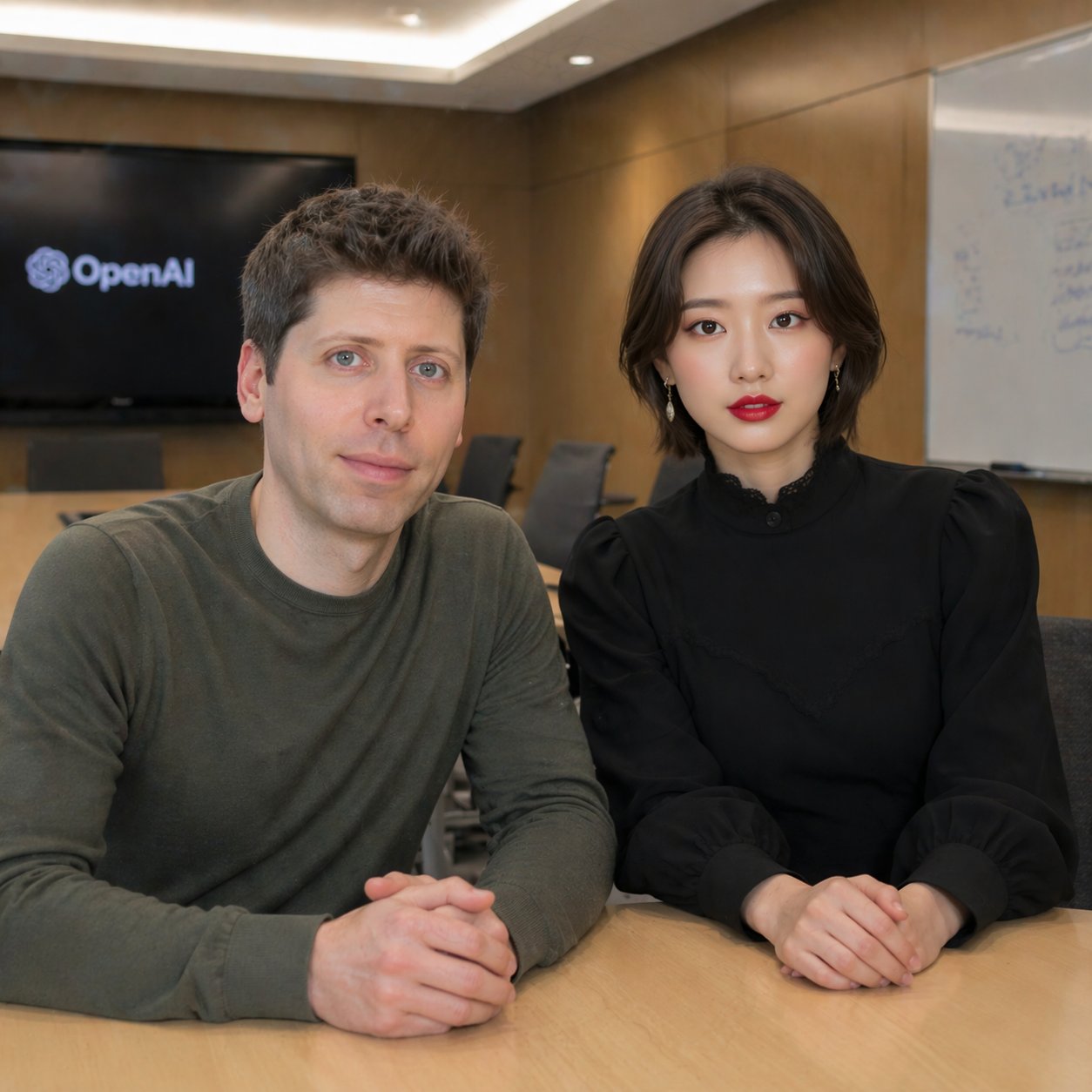
Explore different use cases and parameter configurations
Complete guide to using gpt-image-2-text-to-image
通过 Kie.ai,您可以更轻松地调用 GPT Image 2 API,高效进行图像生成与编辑、输出富文本视觉内容,并构建高品质的商业视觉工作流。
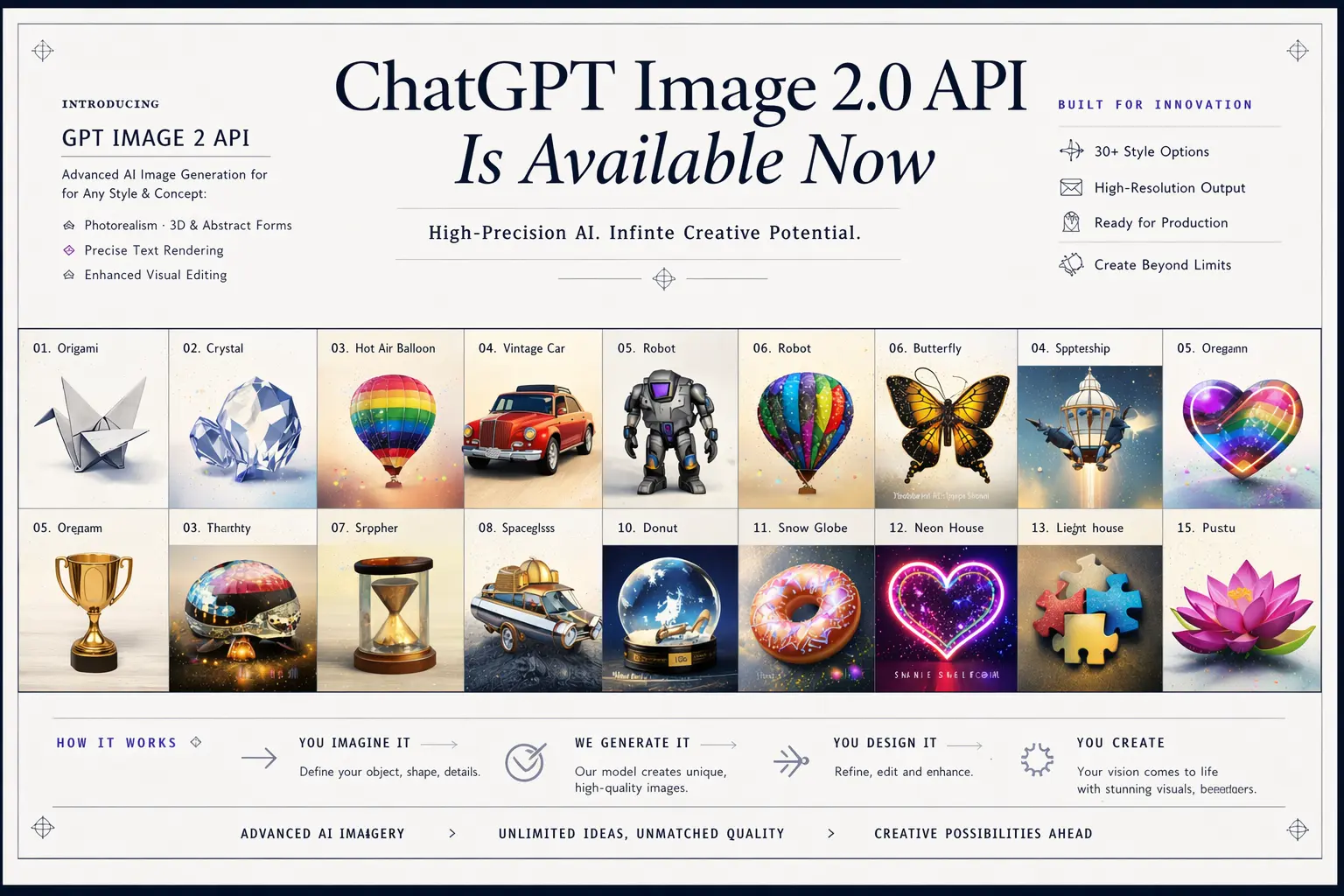
GPT Image-2 API 能将文字提示词转化为精美的视觉图像,非常适合需要通过文字直接生成营销素材、产品概念图、社媒配图、广告图像、插画及品牌设计资产的团队。这种“文生图”工作流帮助开发者灵活构建 AI 图像生成体验,全面满足快速视觉构思、结构化提示词创作以及更精细图像输出的需求,完美契合真实的创意工作流。 如果你正使用 GPT Image-2 将文字提示词转化为产品视觉素材,并希望更锐利的视觉质量让精致的产品摄影更具吸引力,不妨进一步了解 GPT Image 2.5 API。
GPT-Image-2 API 也支持基于现有图片进行处理,非常适合需要对上传图片进行转换、优化或视觉更新的工作流。这种“图生图”模式适用于风格转换、背景替换、产品换色、主体增强、画面清理以及其他需要保留原图重要部分的精准编辑。对于开发 AI 图像编辑产品的团队而言,它提供了一条更实用的路径,能以更强大的视觉控制力实现更干净的图像转换。
GPT Image 2 API 大幅提升了图像内文字在实际创意工作中的可用性。它能精准生成长短语和多词标签,呈现更清晰的标点符号,并保持规范的字母大小写,这对店铺效果图、海报设计、UI 概念设计、信息图表、产品包装和品牌营销物料极具价值。文字排版不再是图像中最薄弱的环节,GPT Image 2 API 能让图内文字更具设计感、清晰易读,并与整体构图在视觉上完美融合。
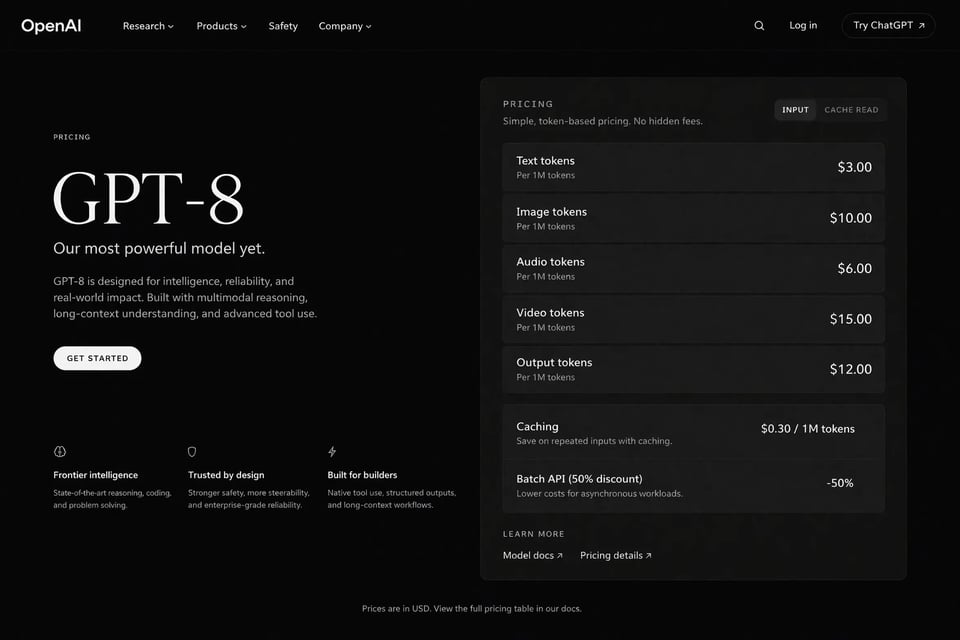
GPT Image-2 API 特别适用于需要局部修改而不破坏整体画面的编辑工作流。无论是产品换色、物体替换、背景更新还是局部场景优化,它都能最大程度地保留原图的光影、纹理及周围风格的连贯性。对于 AI 图像编辑产品而言,这种像素级的精准控制,使得最终结果比全图重新生成的效果更干净、更稳定。
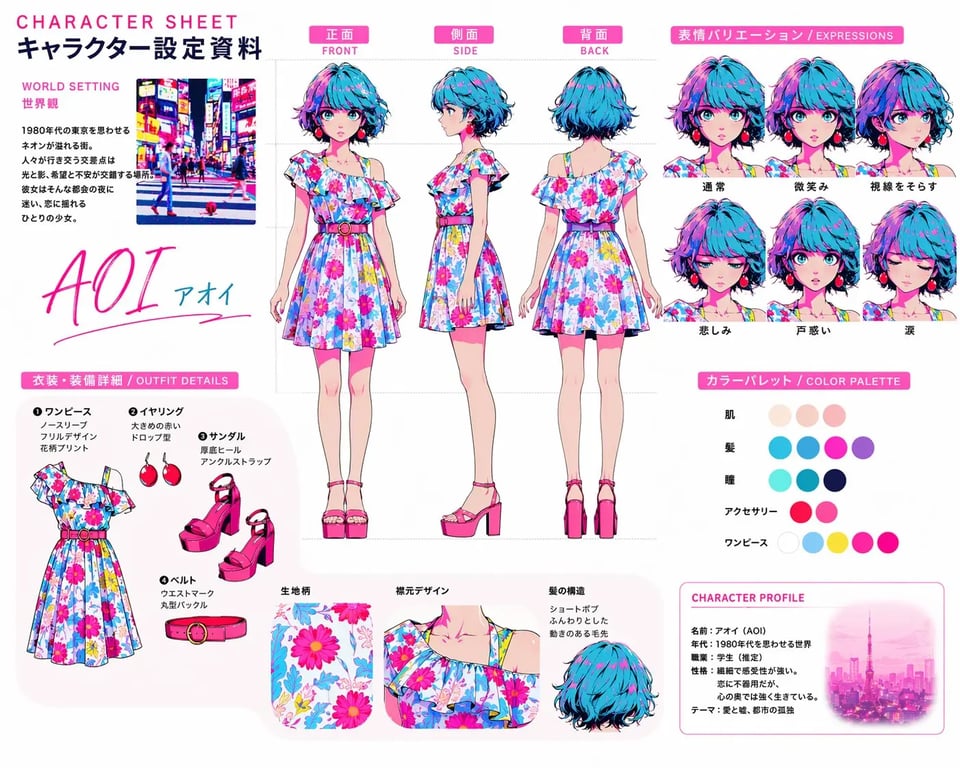
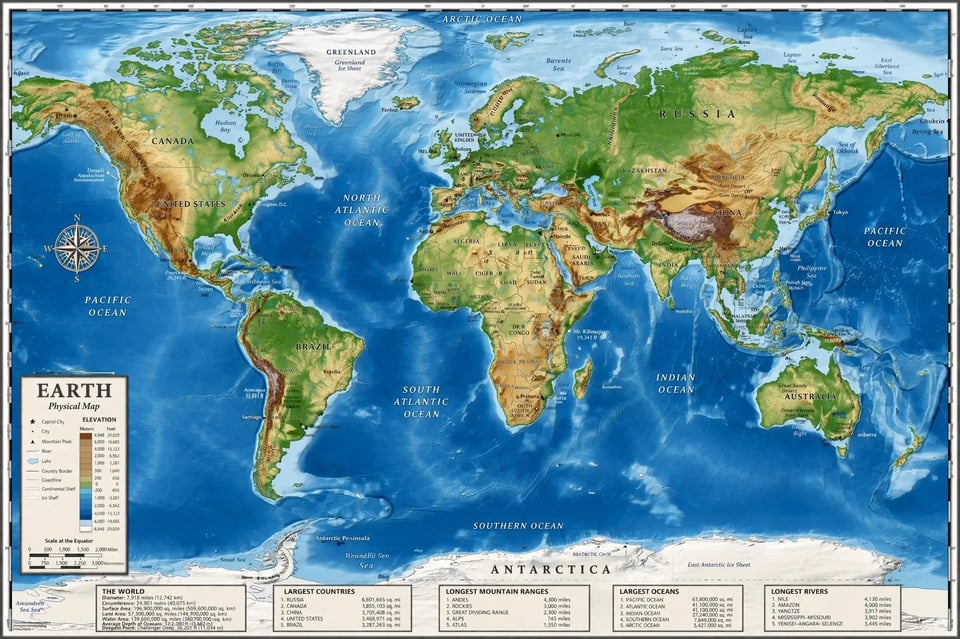
当图像生成任务不仅要求美观,更看重视觉可信度时,GPT Image 2 Model API 是更好的选择。这包括地图绘制、解剖结构图、历史场景复原、建筑场景、教育插图,以及其他依赖严谨的画面结构和事实逻辑的视觉输出。通过大幅提升对复杂场景、物体及其关联关系的解析能力,GPT Image 2 Model API 使生成的图像更有据可依、更具可信度,在注重细节的工作流中也更为实用。 在完成图像生成与编辑后,视觉创作者还可以探索 GPT-6 Astra API,通过计算机操作亲自处理创作流程中的实际任务。
GPT-Image2 API 同样致力于打造更高效的创意工作流,在保证高质量图像生成的同时,输出速度仅需 3 秒左右。当用户需要测试不同提示词方向、优化营销视觉效果、对比多个版本,或构建需要快速响应的交互式图像体验时,这一速度优势至关重要。此外,得益于针对多主体提示词更强的指令遵循能力、丰富的场景层次细节以及更精细的排版控制,GPT-Image2 API 在规模化处理复杂的视觉创作时显得更具实用性。
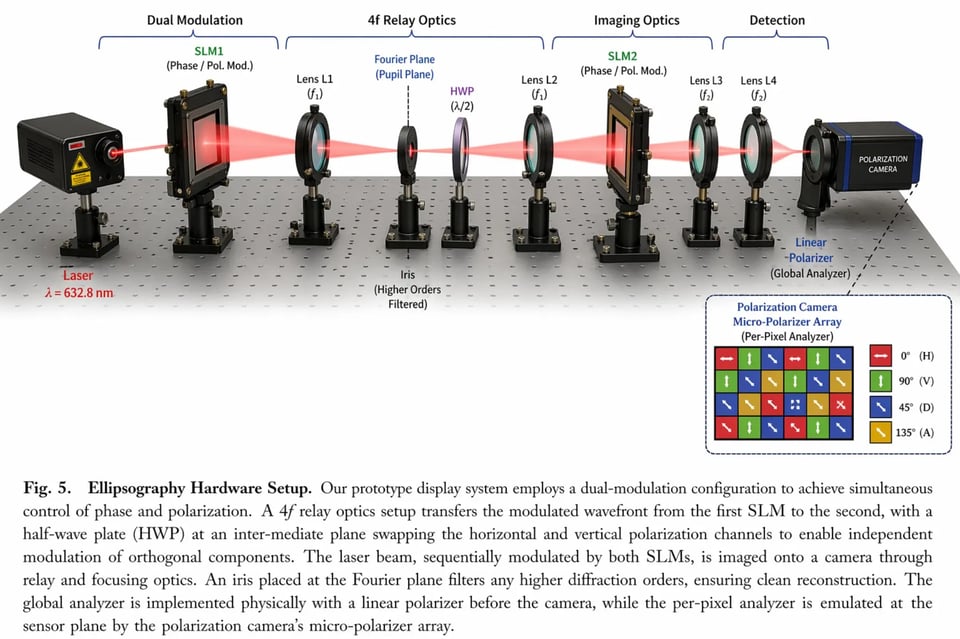
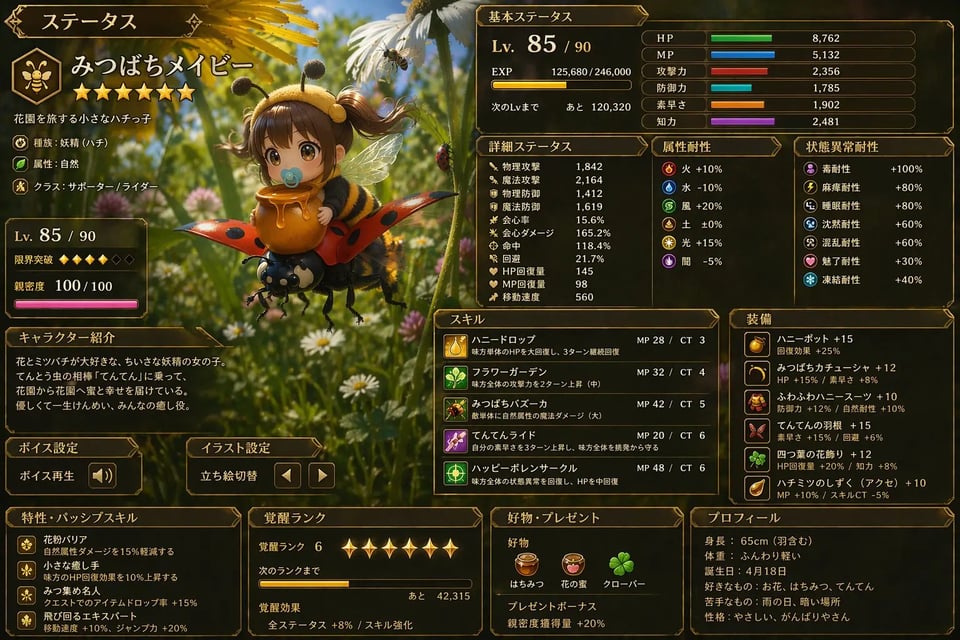
ChatGPT Image 2 API 尤其适用于面向不同语言和市场、且需要生成清晰可读文本的视觉创作场景。无论是本地化广告、国际化包装、UI 界面原型、教育图表,还是品牌营销物料,图像中的文字都是最终设计的重要组成部分,而非简单的占位符。凭借更强大的多语言文本生成能力,ChatGPT Image 2 API 能够完美兼顾语言精准度与视觉精美度,在全球化工作流中展现出更高的实用价值。
GPT Image 2 API is especially useful for teams that need to produce a steady volume of polished campaign visuals across different channels and formats. It can support ad images, paid social creatives, promotional banners, launch graphics, seasonal assets, and other branded materials that need to move quickly from concept to usable output. For marketing workflows, the value is not only in generating images faster, but in creating visuals that feel closer to real campaign-ready creative from the beginning.
GPT Image-2 API fits e-commerce and merchandising workflows that require controlled visual updates rather than one-off concept art. Product teams can use it to adjust backgrounds, recolor items, refine listing images, test packaging looks, or update hero visuals for different campaigns without rebuilding the whole scene each time. That makes it particularly relevant for storefront operations and retail content systems where visual consistency and speed both directly affect conversion work.
GPT Image 2 Model API works well in design-oriented environments where image generation is part of a broader content pipeline rather than a standalone feature. It can help create presentation graphics, editorial visuals, UI mockups, blog assets, infographics, concept frames, and branded support images that need to match a larger communication system. In this type of workflow, the model becomes more than a visual generator—it becomes a production layer for repeatable, structured content creation.
ChatGPT Image 2 API is highly relevant for teams working across multiple regions, languages, and audience segments. It can support localized campaigns, multilingual packaging, region-specific promotional visuals, educational graphics, and interface assets where the text inside the image plays an important role in the final design. For international operations, that makes the model especially useful in workflows where visual adaptation, language accuracy, and creative consistency all need to move together.
Kie.ai 提供极具性价比的 GPT-Image-2 API 定价方案,让团队能够基于更强大的 OpenAI 图像模型进行开发,而无需在早期承担过高成本。对于需要高频生成图像、反复测试提示词、批量创作视觉素材或涉及大规模图像编辑工作流的产品而言,这一点至关重要,因为定价往往直接影响上线决策。凭借更具成本效益的投产路径,开发者可以从实验阶段平滑过渡到实际使用,更好地掌控预算与业务增长。
Kie.ai 提供完整的 GPT-Image-2 API 文档,帮助开发者更顺畅地完成配置、测试与部署。当团队需要了解请求结构、参数处理、返回结果、鉴权流程及实际集成逻辑时,清晰的文档至关重要,能避免在无谓的猜测上浪费时间。完善的文档体验让 GPT-Image-2 API 无论是首次集成还是长期的产品迭代,都能更轻松上手。
Kie.ai 还为团队提供 7x24 小时的 GPT Image-2 API 支持,以满足在测试、集成和生产环境中快速获取帮助的需求。当开发者在实际交付压力下,需要排查 API 接入故障、处理图像工作流异常、优化请求逻辑或解决部署难题时,可靠的技术支持显得尤为关键。借助持续的 GPT Image-2 API 服务支持,团队能够更加自信地进行构建和业务扩展,而无需完全依赖自行排查。