GPT-5.6 API Release Updates for Advanced Reasoning and Coding
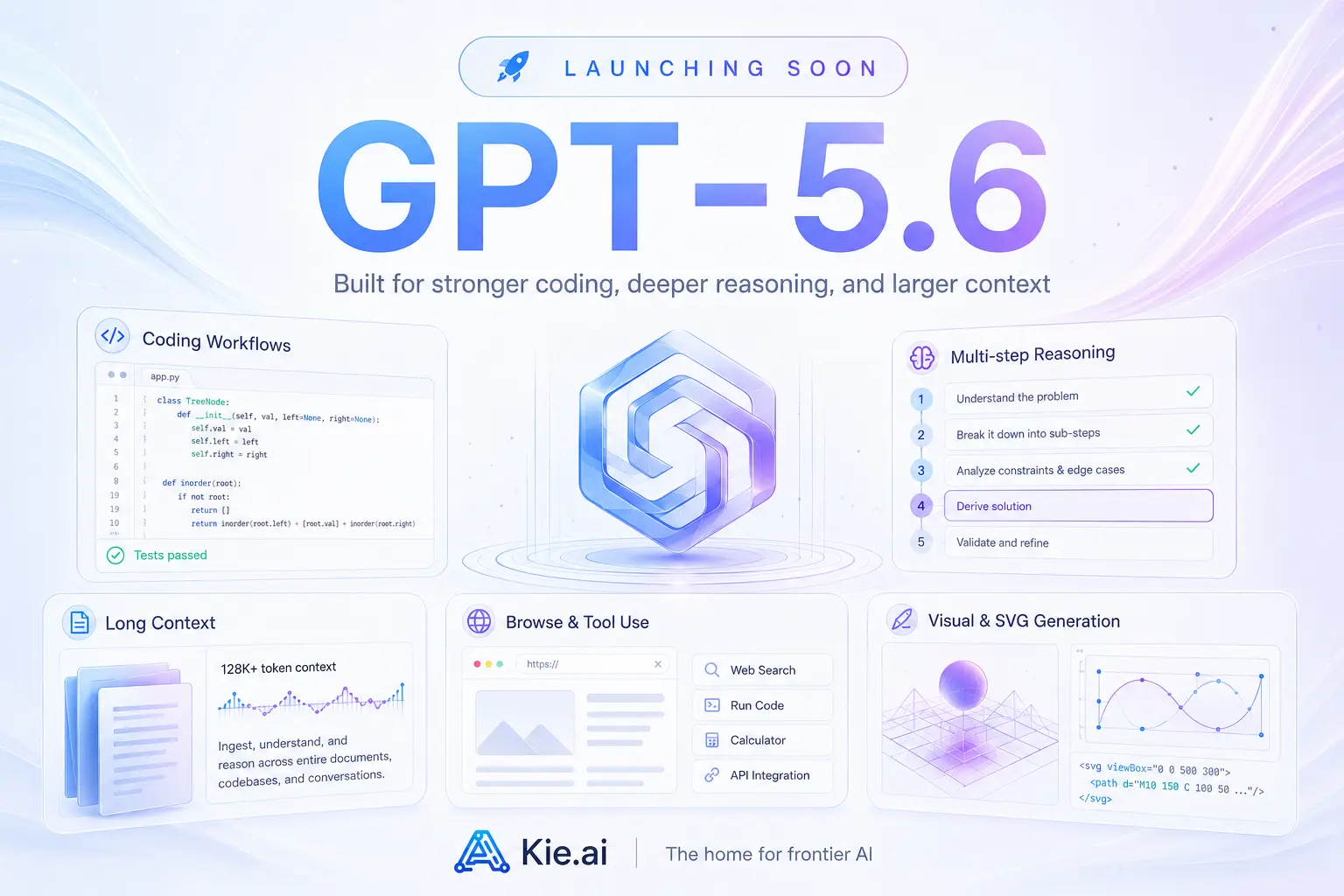
Follow the latest GPT-5.6 model discussions, track expected upgrades across reasoning and coding tasks, and use GPT-5.5 API on Kie.ai while waiting for future GPT-5.6 API access.
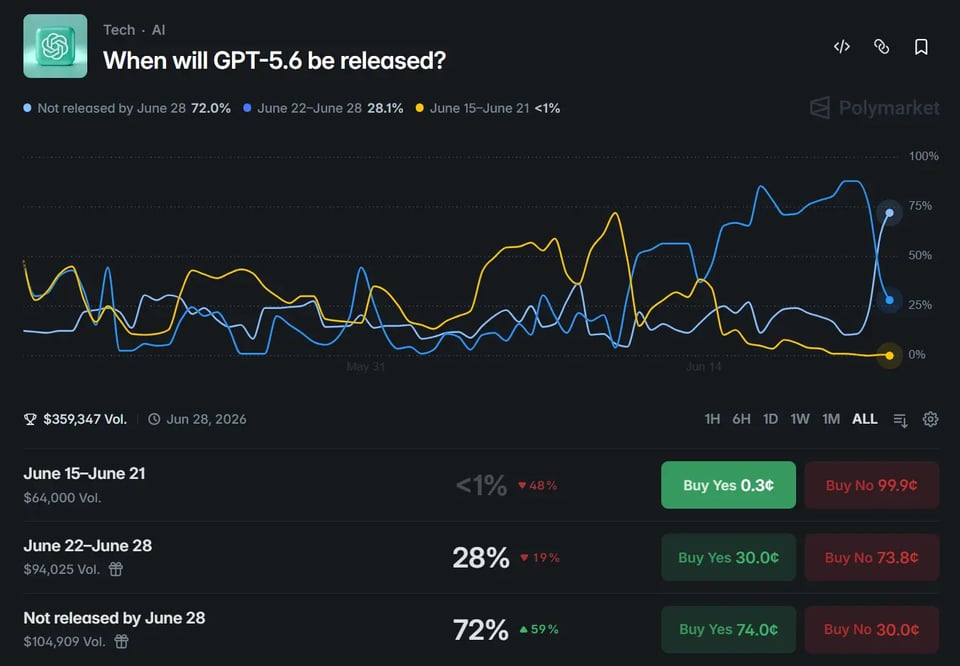
GPT 5.6 Release Date Rumors and Polymarket Outlook
GPT-5.6 has become one of the most closely watched rumored OpenAI upgrades, with community discussion pointing to possible gains in reasoning depth, coding reliability, long-context performance, and a more advanced GPT-5.6 Pro tier. Although OpenAI has not confirmed the model or its launch schedule, the rumor cycle has increasingly focused on a late-June release window, with Thursday, June 25 emerging as one of the most discussed possible dates. At the same time, the nearby GPT 5.6 Polymarket screenshot should be read as a reference snapshot rather than a live market feed; in that view, “Not released by June 28” appears as the leading prediction. This contrast makes GPT 5.6 a high-interest but still unconfirmed release: market attention is strong, but the timeline remains uncertain until OpenAI publishes official information. Once GPT-5.6 is formally released, Kie.ai will move quickly to make GPT-5.6 API access available for developers. Until then, teams can continue building and testing with GPT-5.5 API on Kie.ai.
What We Know About the Expected GPT-5.6 and GPT-5.6 Pro Lineup
Current public conversation around the GPT-5.6 family has started to form around two likely names: GPT-5.6 and GPT-5.6 Pro. OpenAI has not confirmed the final lineup, release timing, pricing, context limits, or API availability, so the structure below should be read as pre-release tracking rather than official product documentation. If OpenAI formally releases GPT-5.6, Kie.ai will update this page and prepare related GPT-5.6 API access as soon as supported.
GPT-5.6
GPT-5.6 is expected to represent the next broad upgrade in OpenAI’s GPT-5 series, with attention focused on stronger reasoning, more reliable coding, improved instruction following, and better long-context handling. Early discussion also points to higher first-attempt quality across technical writing, analysis, planning, debugging, and structured problem solving, making GPT-5.6 especially relevant for users who want a stronger general-purpose OpenAI model for complex daily tasks.
GPT-5.6 Pro
GPT-5.6 Pro is expected to target heavier workloads where deeper reasoning and sustained execution are more important than fast responses. Reported areas of interest include agentic coding, frontend generation, browser automation, visual reasoning, SVG creation, design replication, and longer technical projects. GPT-5.6 Pro would be most relevant for tasks that require stronger planning, fewer manual corrections, and more dependable completion across multiple steps.
OpenAI GPT-5.6 Feature Signals Developers Are Watching Before Release
GPT-5.6 has not been officially released, and OpenAI has not published final specifications for GPT-5.6 or GPT-5.6 Pro. The points below summarize some of the most active discussions and expectations around the upcoming model family, including reasoning depth, coding performance, long-context handling, visual understanding, tool reliability, and possible task-level efficiency gains. These areas should be treated as pre-release signals rather than confirmed OpenAI documentation.
Deeper GPT-5.6 Reasoning for Complex Multi-Step Work
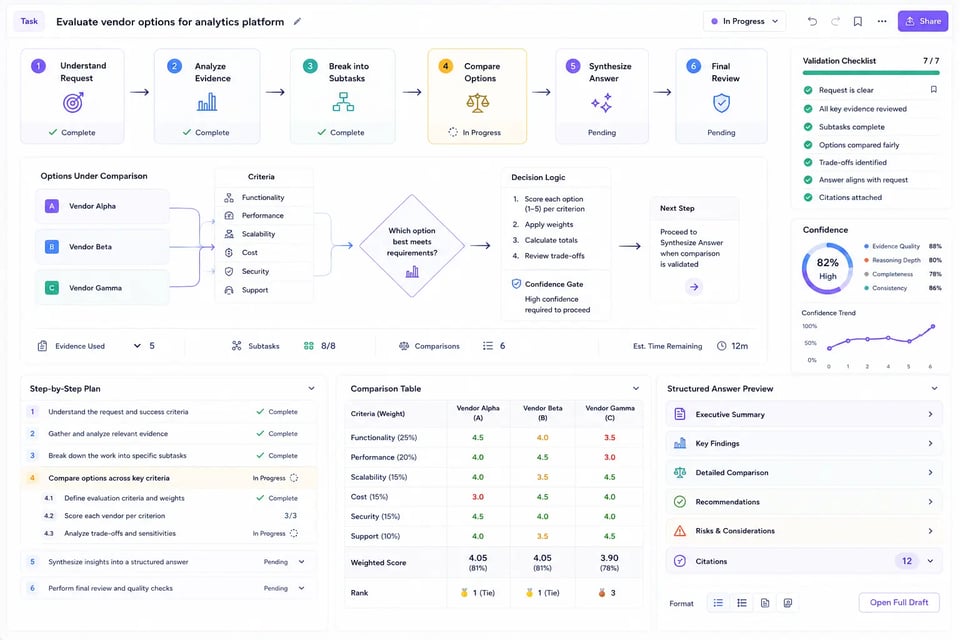
GPT-5.6 is expected to place more weight on careful reasoning, instruction understanding, and multi-step planning. One frequently discussed detail is a possible increase in internal reasoning effort, often described in leaks as a higher “juice” value compared with GPT-5.5. If this direction proves accurate, GPT-5.6 could be better suited for technical analysis, structured writing, research synthesis, debugging, and planning tasks where users need stronger first-attempt results instead of multiple rounds of correction.
Stronger OpenAI GPT-5.6 Coding and Agent Performance
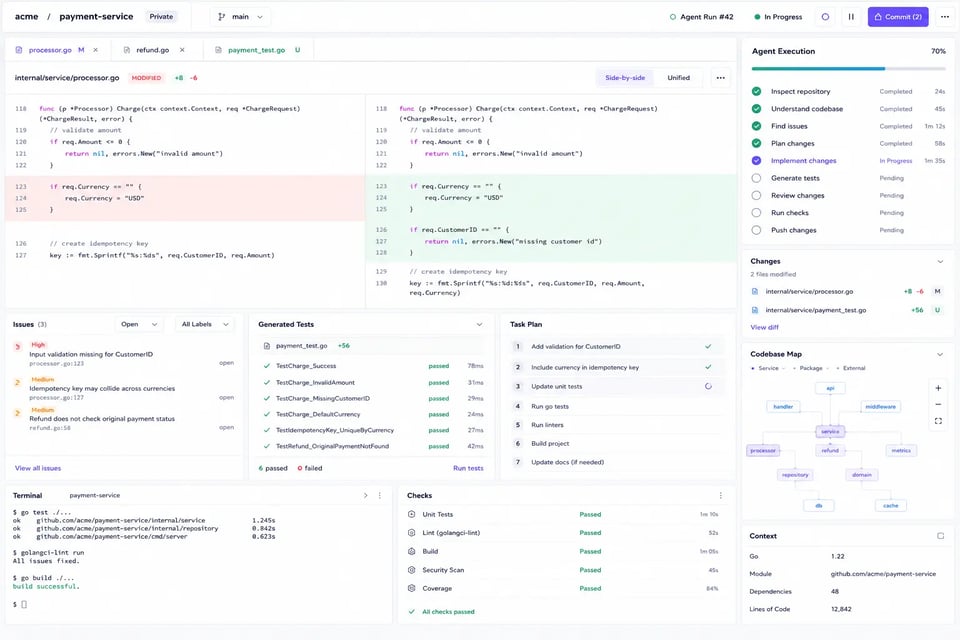
OpenAI GPT-5.6 is attracting strong attention from developers because many reports focus on coding reliability, repository-level understanding, and agent-style execution. Expected improvements include better debugging, cleaner frontend generation, stronger test creation, and more dependable multi-step implementation across larger projects. GPT-5.6 may also be more useful for software agents that need to inspect files, plan changes, generate code, revise mistakes, and complete development tasks with fewer interruptions.
Larger GPT 5.6 Context Window for Long Documents and Codebases
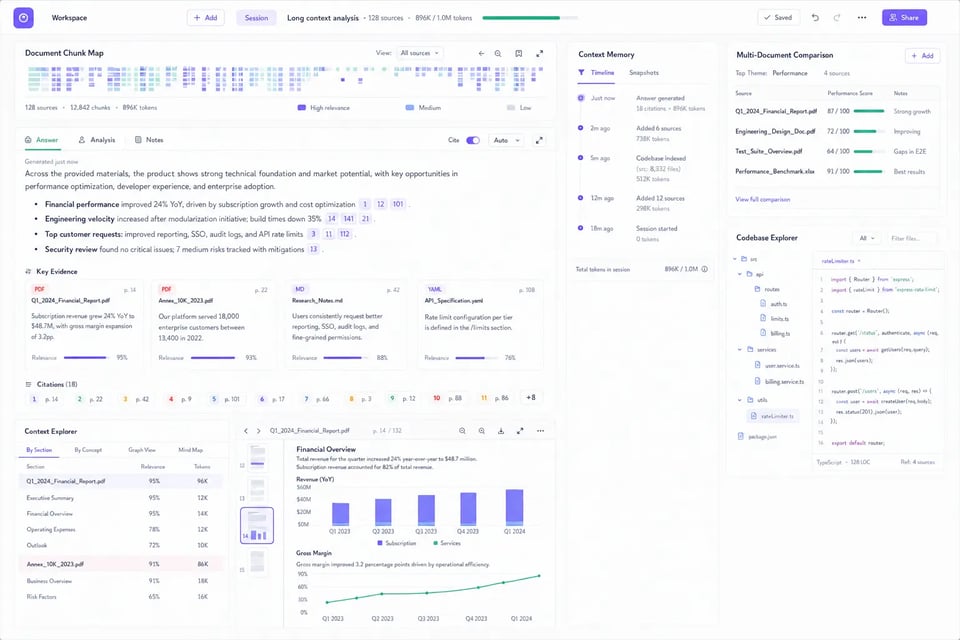
GPT 5.6 is widely discussed for a possible long-context upgrade, with some reports pointing to a range around 1M to 1.5M tokens. A larger context window would be valuable for long research files, large codebases, multi-document review, legal or technical analysis, and extended conversations where more source material needs to remain available in one session. Final context limits still need to come from OpenAI’s official model documentation.
Better GPT-5.6 Pro Vision and Design Replication
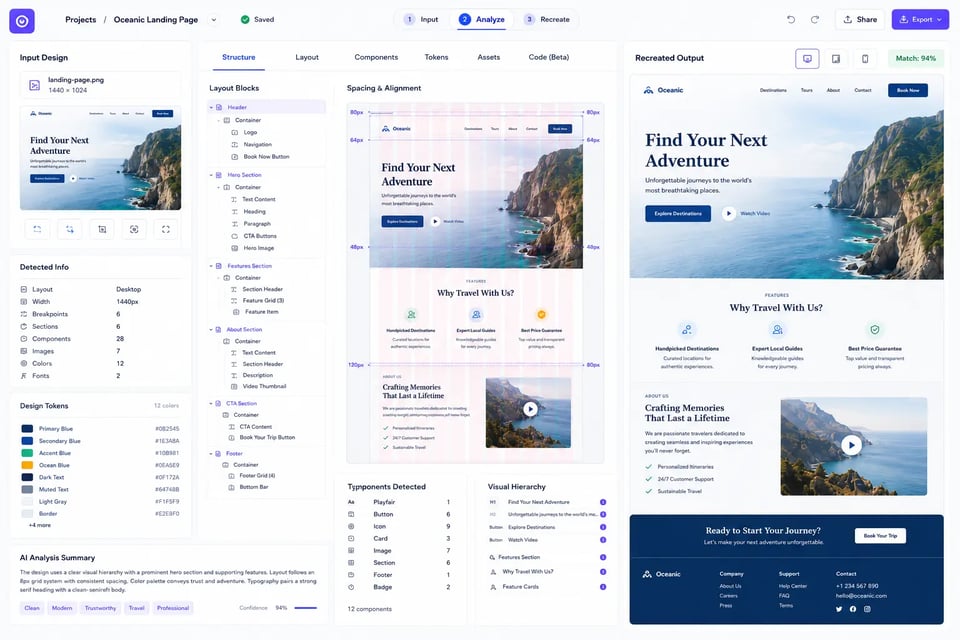
GPT-5.6 Pro has become closely linked with visual reasoning and design-oriented generation in early discussions. Reported areas include stronger image understanding, better design replication, cleaner image-to-layout interpretation, and improved handling of visual structure. For developers building UI tools, design-to-code systems, landing page generators, and creative automation products, GPT-5.6 Pro could be especially important if visual inputs translate into more accurate layouts and fewer structural errors.
Improved GPT-5.6 Pro SVG and Frontend Generation
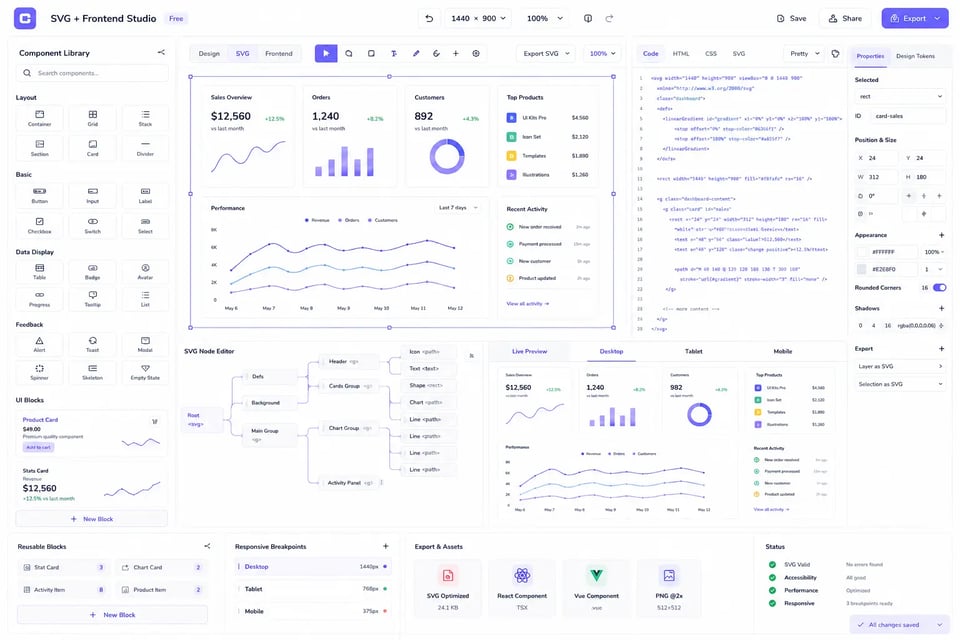
GPT-5.6 Pro is also being watched for SVG generation, 3D-style static SVG output, and frontend implementation quality. Some discussions suggest stronger results for icons, diagrams, interface elements, and visually structured web components, while still noting that competing models may remain strong in certain frontend tasks. The key area to watch is whether GPT-5.6 Pro can produce cleaner visual code, more stable layouts, and fewer glitches in complex interface or browser-based generation tasks.
More Reliable ChatGPT-5.6 Tool Use and Browser Automation
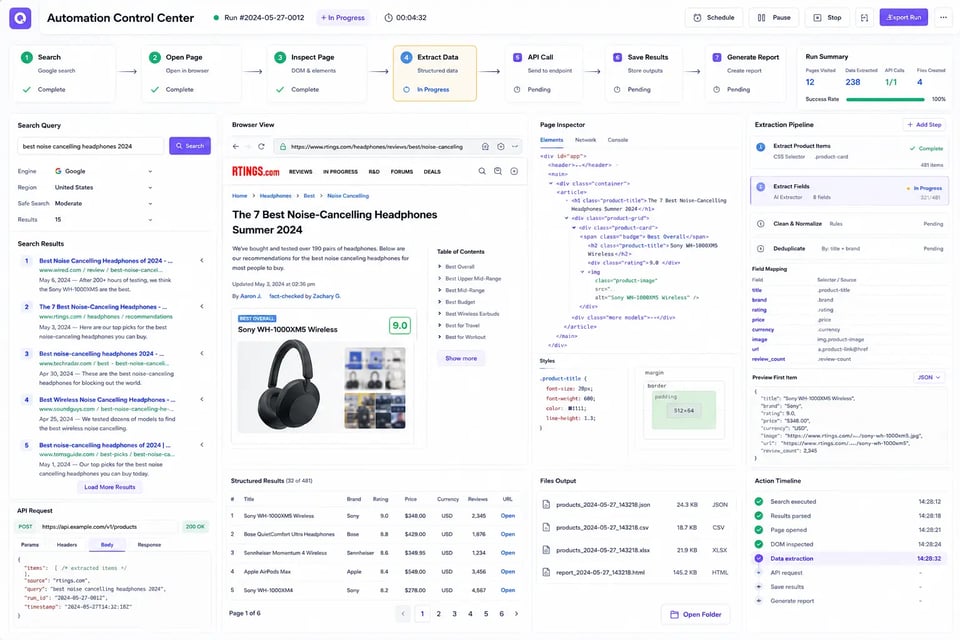
ChatGPT-5.6 may bring more dependable tool behavior for tasks that require search, page inspection, file handling, API calls, and browser-based execution. Playwright-related browser automation has also appeared in recent discussions, making tool reliability one of the more practical areas to watch. Stronger execution would matter for coding copilots, research agents, QA assistants, and automation products that need to complete longer tasks without constant user correction.
Better GPT-5.6 Efficiency for High-Value Tasks
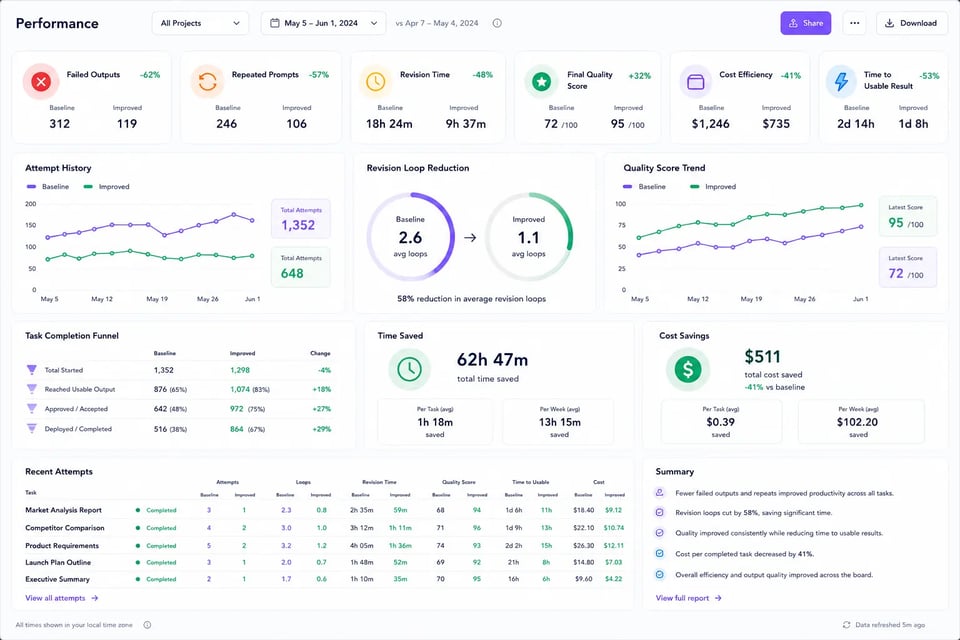
GPT-5.6 may improve efficiency at the task level if stronger reasoning reduces failed outputs, repeated prompts, and manual revision time. Even if difficult requests take longer to complete, better final output quality could still reduce the total cost of reaching a usable result. Exact pricing, latency, token efficiency, and GPT-5.6 API behavior remain unknown until OpenAI releases official information.
How to Get GPT-5.6 API on Kie.ai After Launch
GPT-5.6 has not been released yet, so GPT-5.6 API is not currently available on Kie.ai. Once GPT-5.6 is officially launched and supported, developers can follow the normal Kie.ai process: check availability, get an API key, test with credits, and integrate the selected model. Until then, GPT-5.5 API is available on Kie.ai for current OpenAI model testing and development.
Step 1: Follow GPT-5.6 API Availability on Kie.ai
Before GPT-5.6 is released, developers can follow the Kie.ai GPT-5.6 page for availability updates. Since model names, pricing, context limits, and supported features may change after launch, this page will be updated once GPT-5.6 API or GPT-5.6 Pro API becomes available on Kie.ai.
Step 2: Create an Account and Get Your GPT-5.6 API Key
After GPT-5.6 API is supported on Kie.ai, sign in to your Kie.ai account and generate an API key from the dashboard. The API key will authenticate requests and connect your application to the selected GPT-5.6 model.
Step 3: Test GPT-5.6 API With Credits
Use credits to test GPT-5.6 API before moving into production. Developers can compare reasoning quality, coding performance, long-context behavior, output consistency, latency, and cost behavior against existing GPT-5.5 API results.
Step 4: Integrate GPT-5.6 API Into Your Application
Once testing is complete, integrate GPT-5.6 API into your product, coding tool, research assistant, automation system, or agent application. Before deployment, review the latest Kie.ai API documentation for the current model name, request format, supported parameters, pricing, context limits, and feature coverage.
Why Developers Choose Kie.ai for GPT-5.6 API After Launch
Build With GPT-5.5 API Before GPT-5.6 API Arrives
Kie.ai already provides GPT-5.5 API access, giving developers a useful starting point before GPT-5.6 API becomes available. Teams can test reasoning prompts, coding tasks, long-context inputs, structured outputs, and agent-style behavior now, then compare GPT-5.6 results against a real GPT-5.5 baseline after release.
Fast GPT-5.6 API Access on Kie.ai After Launch
When GPT-5.6 is released and supported, Kie.ai will move quickly to make GPT-5.6 API access available for developers. This helps teams move from release tracking to hands-on testing, product integration, and production preparation without starting from scratch.
Credit-Based GPT-5.6 API Testing Before Scaling
Kie.ai supports credit-based testing, making it easier to try GPT-5.6 API with real prompts before expanding usage. Developers can check reasoning quality, coding behavior, response consistency, latency, and cost patterns before deciding how GPT-5.6 should fit into their application.
Clear GPT-5.6 API Documentation for Real Integration
A new model release needs more than access. Kie.ai will provide GPT-5.6 API documentation covering model selection, request format, supported parameters, pricing, context limits, and feature coverage, helping developers connect GPT-5.6 to real products with less uncertainty.
Full GPT-5.6 API and GPT-5.6 Pro API Coverage After Release
If GPT-5.6 Pro is released alongside or after GPT-5.6, Kie.ai will move to provide the full GPT-5.6 model lineup in one place, including GPT-5.6 API and GPT-5.6 Pro API where supported. This gives developers a clearer way to choose between standard GPT-5.6 access for general reasoning, coding, and long-context tasks, or GPT-5.6 Pro access for heavier work such as agentic coding, frontend generation, visual reasoning, SVG creation, and complex multi-step execution.
24/7 Support for OpenAI GPT-5.6 API Integration
Kie.ai provides support for API setup, authentication, request errors, usage questions, and model selection. For teams preparing around a high-interest OpenAI GPT-5.6 API release, responsive support can make testing, debugging, and production rollout more manageable.
Prepare Your OpenAI API Stack Before GPT-5.6 Launches
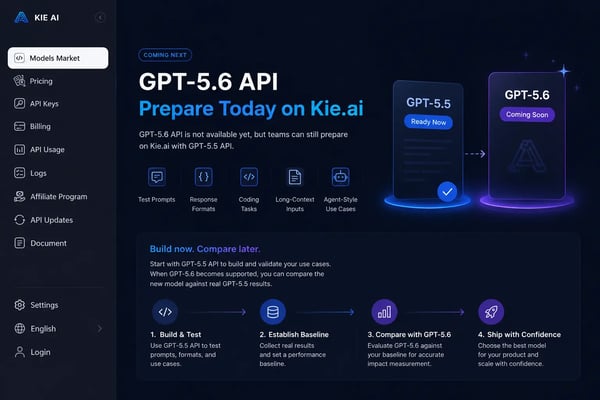
GPT-5.6 API is not available yet, but teams can still prepare on Kie.ai with GPT-5.5 API. Start testing prompts, response formats, coding tasks, long-context inputs, and agent-style use cases now, so your product has a working OpenAI API baseline before GPT-5.6 arrives. When GPT-5.6 becomes supported, you can compare the new model against real GPT-5.5 results instead of starting from a blank setup.