Set the Output Format Yourself
The docs ask you to set output_format explicitly, so choose PNG or JPEG in every request rather than relying on a default.
Qwen Image 3.0 is Alibaba's advanced image generation model for realistic images, structured layouts, rich visual details, and high-quality typography.
Click to upload or drag and drop
Supported formats: JPEG, PNG, WEBP, BMP, GIF, TIFF Maximum file size: 10MB; Maximum files: 3
Upload an image file to use as input for the API
The positive prompt that describes the image content, style, and composition you want to generate or edit. Both Chinese and English are supported.
0/5000The output image resolution.
The output image size.
Generate image format
Whether to enable intelligent prompt rewriting. Default: true (recommended). When enabled, the model optimizes the positive prompt, which significantly improves results for simple descriptions.
The negative prompt that describes content you do not want to appear in the image.
0/5000The random seed. Value range: [0, 2147483647]. A fixed seed helps maintain relatively stable results.
A configurable parameter. Defaults to true in the Playground.
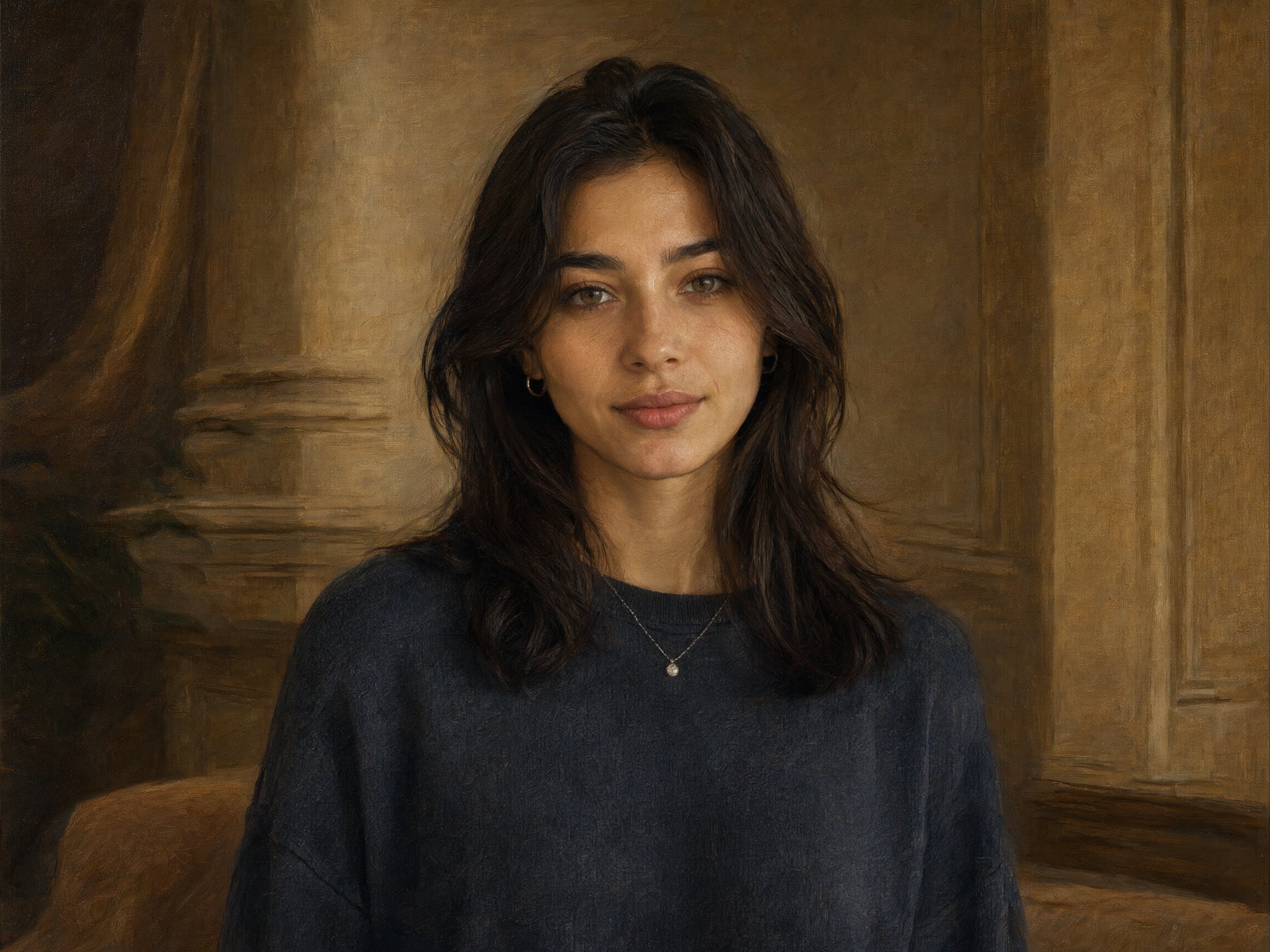
Explore different use cases and parameter configurations
The positive prompt that describes the image content, style, and composition you want to generate or edit. Both Chinese and English are supported.
0/5000The output image resolution.
The output image size
Generate image format
Whether to enable intelligent prompt rewriting. Default: true (recommended). When enabled, the model optimizes the positive prompt, which significantly improves results for simple descriptions.
The negative prompt that describes content you do not want to appear in the image.
0/5000The random seed. Value range: [0, 2147483647]. A fixed seed helps maintain relatively stable results.
A configurable parameter. Defaults to true in the Playground.
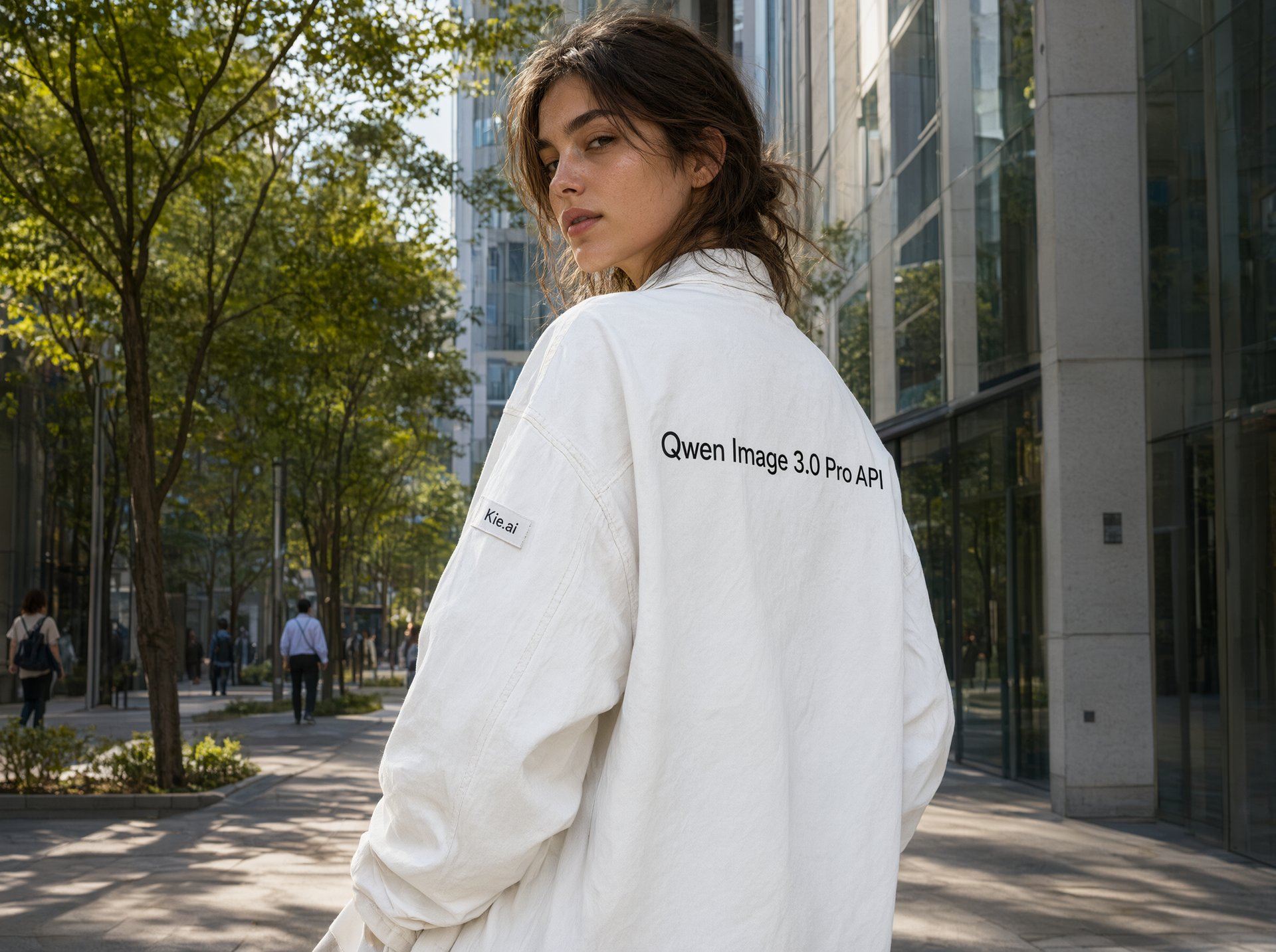
Explore different use cases and parameter configurations
The positive prompt that describes the image content, style, and composition you want to generate or edit. Both Chinese and English are supported.
0/5000The output image resolution.
The output image size
Generate image format
Whether to enable intelligent prompt rewriting. Default: true (recommended). When enabled, the model optimizes the positive prompt, which significantly improves results for simple descriptions.
The negative prompt that describes content you do not want to appear in the image.
0/5000The random seed. Value range: [0, 2147483647]. A fixed seed helps maintain relatively stable results.
A configurable parameter. Defaults to true in the Playground.
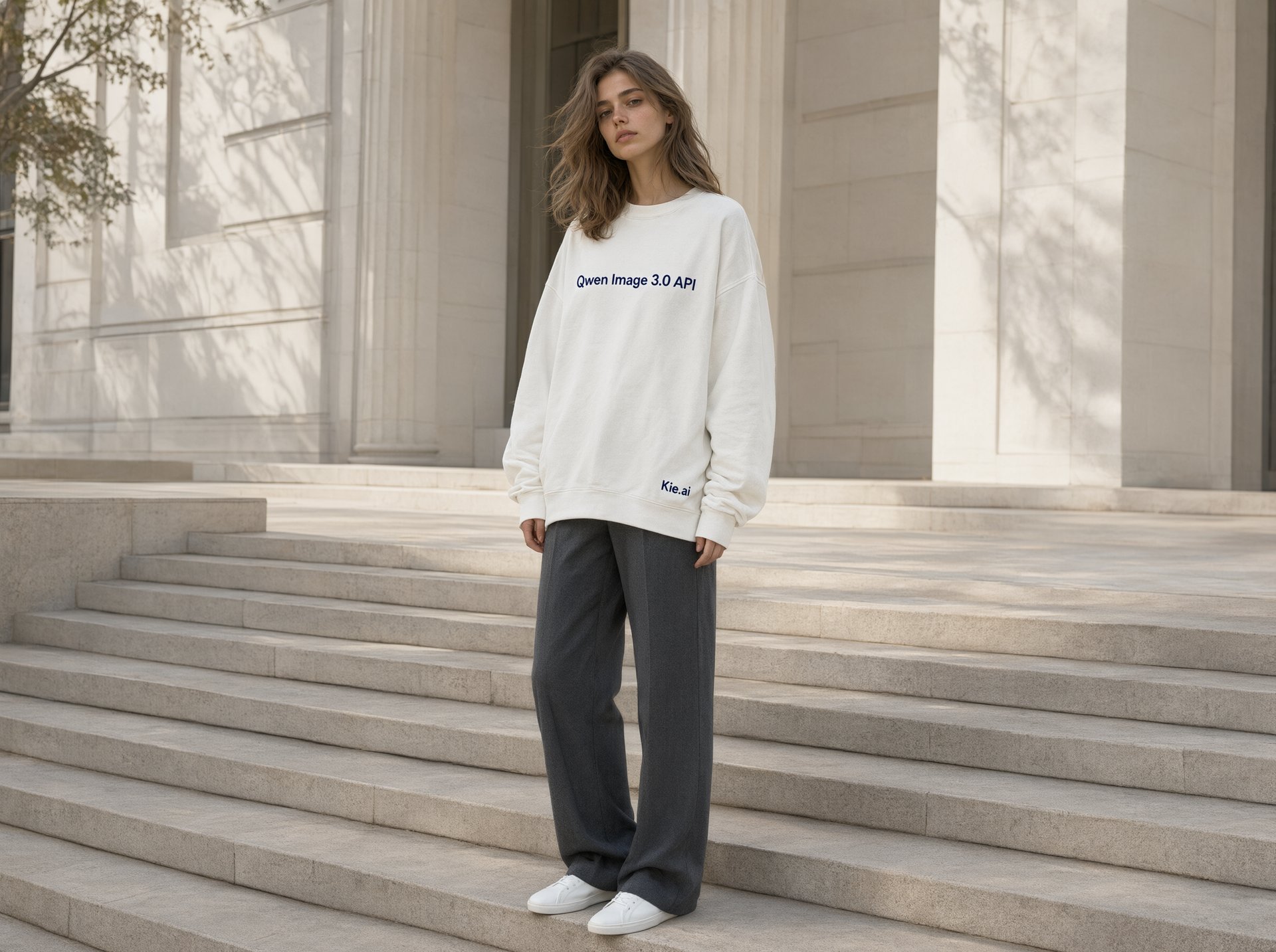
Explore different use cases and parameter configurations
Click to upload or drag and drop
Supported formats: JPEG, PNG, WEBP, BMP, GIF, TIFF Maximum file size: 10MB; Maximum files: 3
Upload an image file to use as input for the API
The positive prompt that describes the image content, style, and composition you want to generate or edit. Both Chinese and English are supported.
0/5000The output image resolution.
The output image size.
Generate image format
Whether to enable intelligent prompt rewriting. Default: true (recommended). When enabled, the model optimizes the positive prompt, which significantly improves results for simple descriptions.
The negative prompt that describes content you do not want to appear in the image.
0/5000The random seed. Value range: [0, 2147483647]. A fixed seed helps maintain relatively stable results.
A configurable parameter. Defaults to true in the Playground.
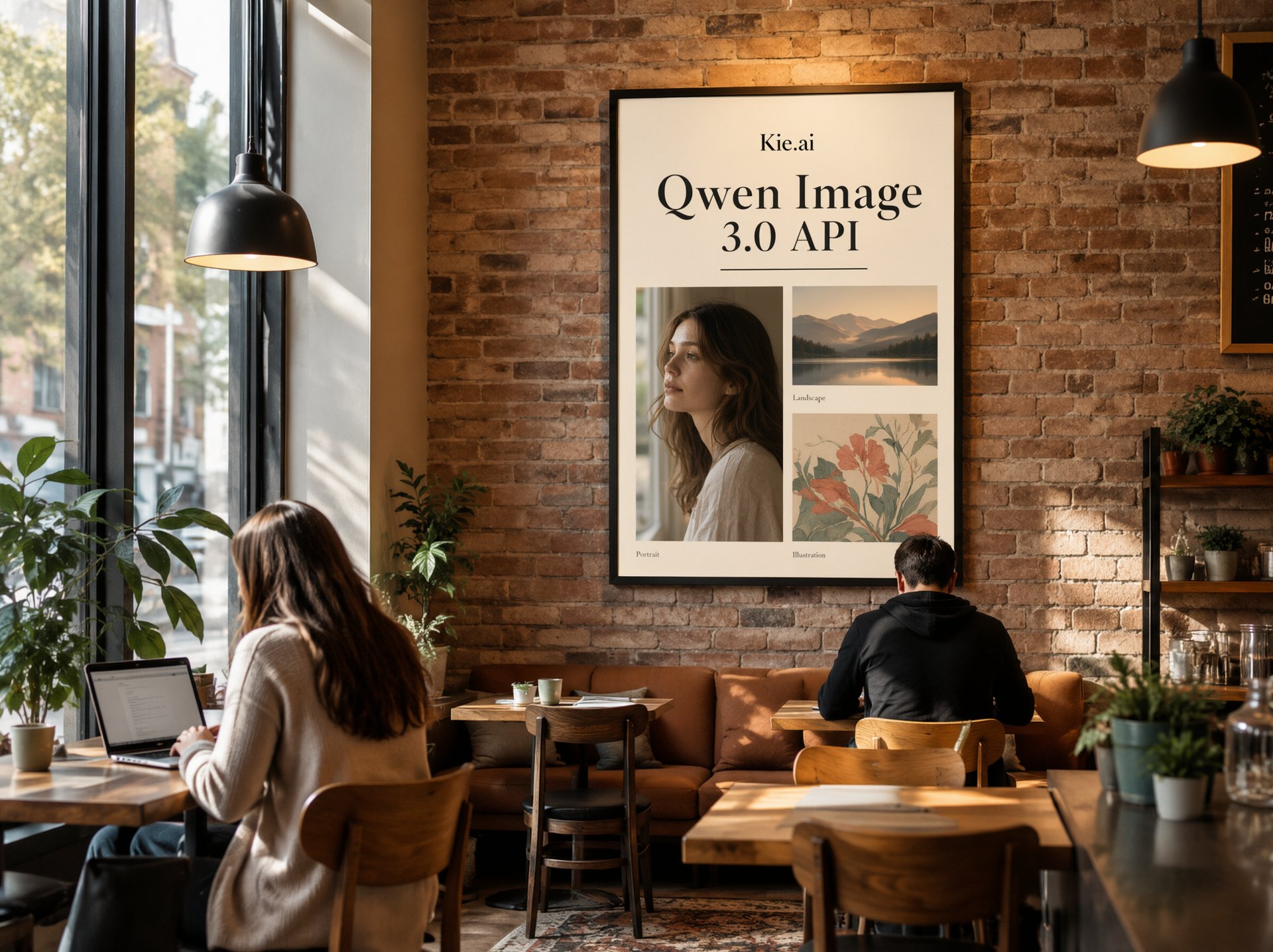
Explore different use cases and parameter configurations
Complete guide to using Qwen Image 3.0
Qwen-Image-3.0 is the third-generation model in the Qwen-Image series, built for information-dense images: prompts up to 4.5K tokens, legible text down to 10px and native rendering in 12 languages. On Kie.ai it runs as four API models: standard and Pro, each for text-to-image and image-to-image.
Qwen Image 3 and Qwen Image 3 Pro accept the same parameters on Kie.ai; they differ in the model itself, not in the request.
| Parameter | Value |
|---|---|
| Models | Standard: qwen3/text-to-image, qwen3/image-to-image. Pro: qwen3/pro-text-to-image, qwen3/pro-image-to-image |
| Endpoint | POST /api/v1/jobs/createTask, then Get Task Details or a callBackUrl for the result |
| Prompt | Required; Chinese or English; up to 5,000 characters per request. Per the Qwen team, the model handles long prompts of about 4.5K tokens |
| Negative prompt | Optional; up to 5,000 characters |
| Input images (image-to-image) | 1 to 3 image URLs; JPEG, PNG, WebP, BMP, GIF or TIFF; up to 10 MB each |
| Resolution | 1K or 2K (image-to-image defaults to 1K) |
| Aspect ratio | 1:1, 3:2, 2:3, 4:3, 3:4, 16:9, 9:16, 21:9 (default 16:9) |
| Output format | PNG or JPEG |
| Prompt rewriting | prompt_extend, on by default |
| Seed | Optional, 0 to 2147483647; random if omitted |
| Pricing | Per model and resolution, shown in the pricing card above |
Each example below was generated with Qwen Image 3 Pro on Kie.ai in October 2026 from the prompt described in its caption; images are shown as generated, resized for the web.
Qwen-Image-3.0 is built to follow long prompts of about 4.5K tokens, so one request can describe an entire layout. This infographic came from a single prompt of about 110 words that specified four panels, their labels, a bar chart with four values and a footer caption; all of them appear in the image.

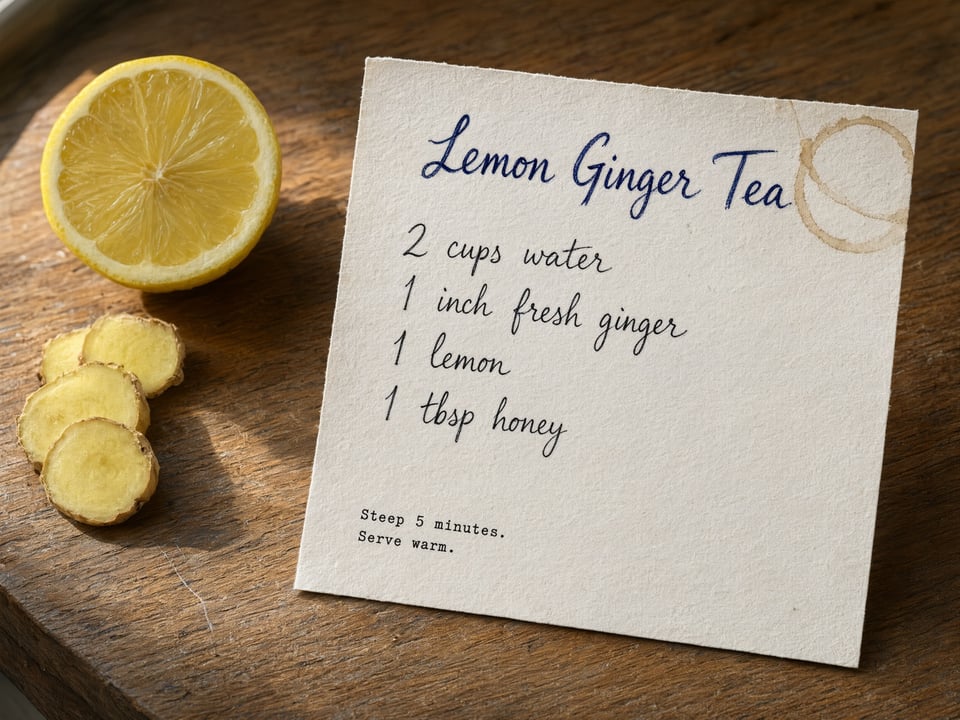
The Qwen team says the model renders text as small as 10px and fine surface detail. Here the handwritten ingredient list and the small typed note stay legible, alongside paper fibers, a faint coffee ring and wood grain.
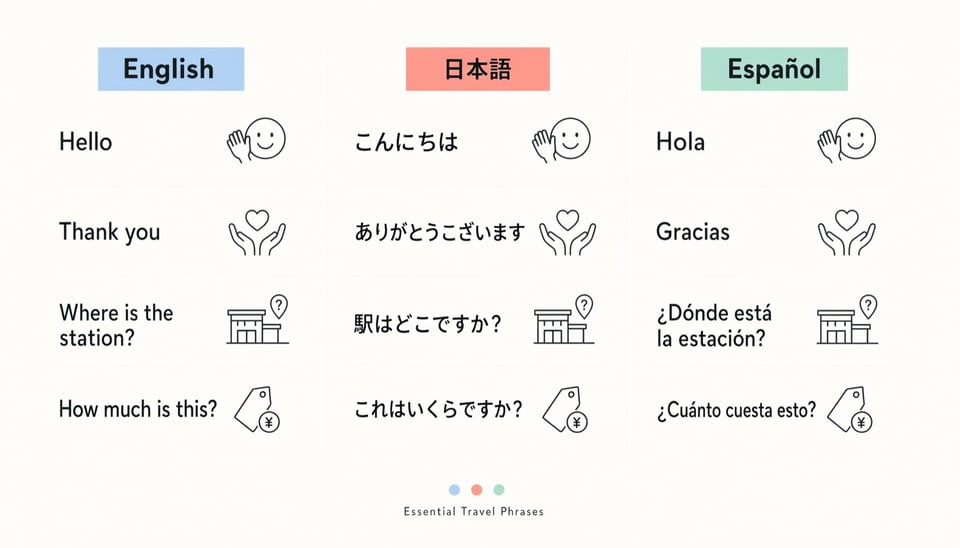
Qwen-Image-3.0 renders text natively in 12 languages. This phrase poster places the same four phrases in English, Japanese and Spanish, including Japanese kana and kanji and Spanish accents and inverted question marks.
Starting from the recipe card above, one instruction added three handwritten notes, two of them with arrows. In this edit the card, table and lighting stayed the same while the notes were added.

On Kie.ai the two versions take exactly the same request, so switching is a one-word change in the model name. On the Artificial Analysis text-to-image arena, Qwen-Image-3.0-Pro scores 1087 and Qwen-Image-3.0 scores 1075, and their score ranges overlap. Because the measured difference is small, a practical default is the standard model; use Pro for text-heavy final assets only if a side-by-side on your own prompts shows a difference. Pricing for each model is shown in the pricing card above.The Qwen team positions Qwen-Image-3.0 for information-dense images such as newspapers, storyboards, exam papers and interface mockups. For text specifically, LMArena's text-rendering leaderboard lists Qwen-Image-3.0-Pro at 1283, GPT Image 2 (medium) at 1425 and Seedream 5.0 Pro at 1255 (as of October 7, 2026).
| Qwen Image 3 | Qwen Image 3 Pro | |
|---|---|---|
| Models on Kie.ai | qwen3/text-to-image, qwen3/image-to-image | qwen3/pro-text-to-image, qwen3/pro-image-to-image |
| Request parameters | Same as Pro | Same as standard |
| Artificial Analysis text-to-image score (Oct 2026) | 1075 | 1087 |
| LMArena text-to-image score (Oct 7, 2026) | Not listed | 1255 |
| LMArena text-rendering score (Oct 7, 2026) | Not listed | 1283 |
| Pricing | Shown in the pricing card above | Shown in the pricing card above |
The Qwen team built Qwen-Image-3.0 for images where the text and layout have to be right, not only the look. These are the kinds of work that fit.
Lesson slides, exam papers, formula-heavy pages and newspaper-style layouts, where every heading, label and equation has to be readable in a single image.
Realistic screens for web pages, mobile apps, games and livestreams to drop into pitch decks, design reviews or early user tests before anything is built.
Posters, menus, signage and social graphics that need the same design in several languages, generated with the text in place instead of added afterwards.
Turning an existing photo into a labeled figure for reports, research notes or product documentation with image-to-image, keeping the original subject and adding the annotations.
The docs ask you to set output_format explicitly, so choose PNG or JPEG in every request rather than relying on a default.
Image-to-image takes hosted image URLs. Files that are not hosted yet can be uploaded first with the Kie.ai File Upload API (Base64, file stream or remote URL).
In one of our four test images the model added labels we did not ask for (see the infographic above), so check generated text before you publish, especially numbers and names. Prompt rewriting (prompt_extend) is on by default; if you need your exact wording, compare results with it on and off.
All models in the Kie.ai market use the same authentication method: an Authorization: Bearer YOUR_API_KEY header with the key from your Kie.ai API Key Management page.
New Kie.ai users receive 80 free credits for testing. Your account has one credit balance that all generation services draw from; check it with the Get Remaining Credits API.
Kie.ai provides this model as an API with a playground; there is no app to download or install. There are no GPUs or model weights to manage.