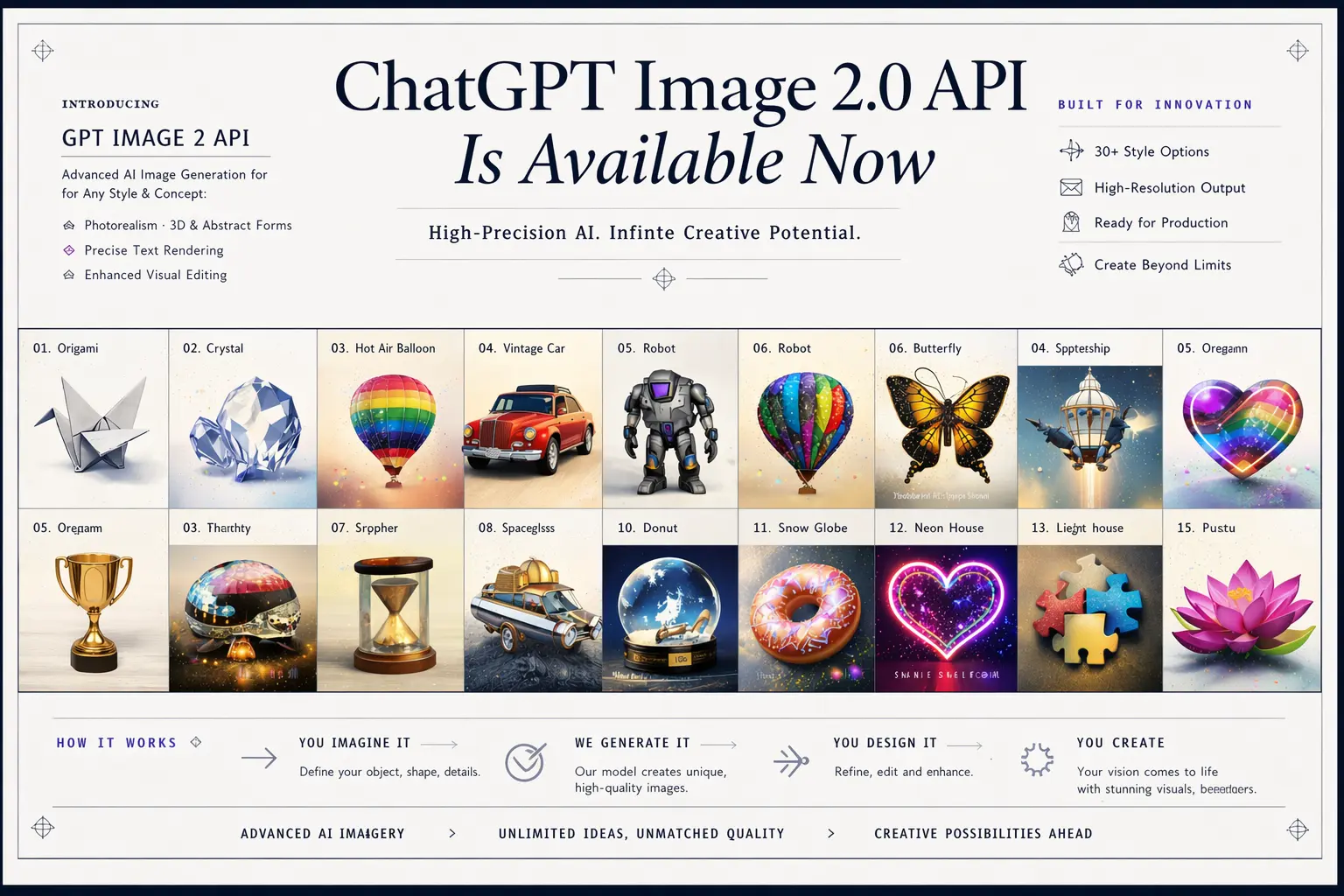
GPT Image 2 is OpenAI’s next-gen image model built for stronger photorealism, cleaner image editing, sharper text rendering, and more polished product photography. Designed for more advanced visual workflows, it pushes image generation beyond basic text-to-image output and into higher-quality creative, commercial, and design-ready use cases.

Model Type:
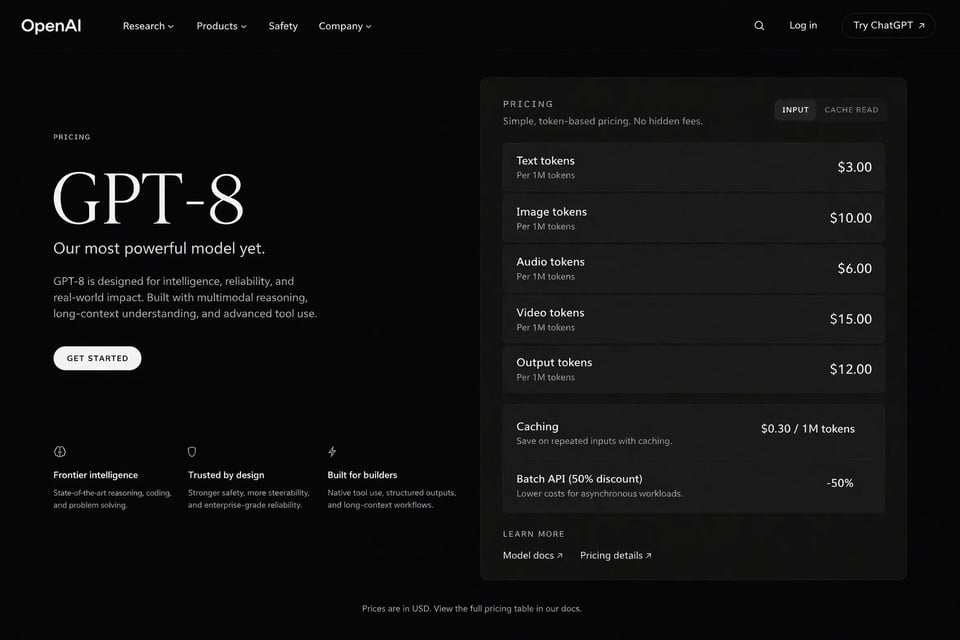
Pricing: GPT-2 Image — now just 6 credits ($0.03) for 1 K, 10 credits ($0.05) for 2 K, and 16 credits ($0.08) for 4 K. High-tier top-ups (+10% bonus) bring effective pricing down to ~10% off the above rates.
Input

Used to describe the generated images.

0/20000

Click to upload or drag and drop

Supported formats: JPEG, PNG, WEBP, JPG Maximum file size: 30MB; Maximum files: 16

Image for reference

For 2K and 4K resolution, the following aspect ratios are not supported: 5:4, 4:5, 3:1, 1:3, and 9:21.

Image resolution

Output
output typeimage
Generated output
Examples

Explore different use cases and parameter configurations

README

Complete guide to using GPT Image 2

Affordable GPT Image 2 API for Advanced Image Generation

Original image
Near-Perfect Text Rendering with GPT Image 2 API
Pixel-Level Editing That Preserves Visual Consistency in GPT Image-2 API
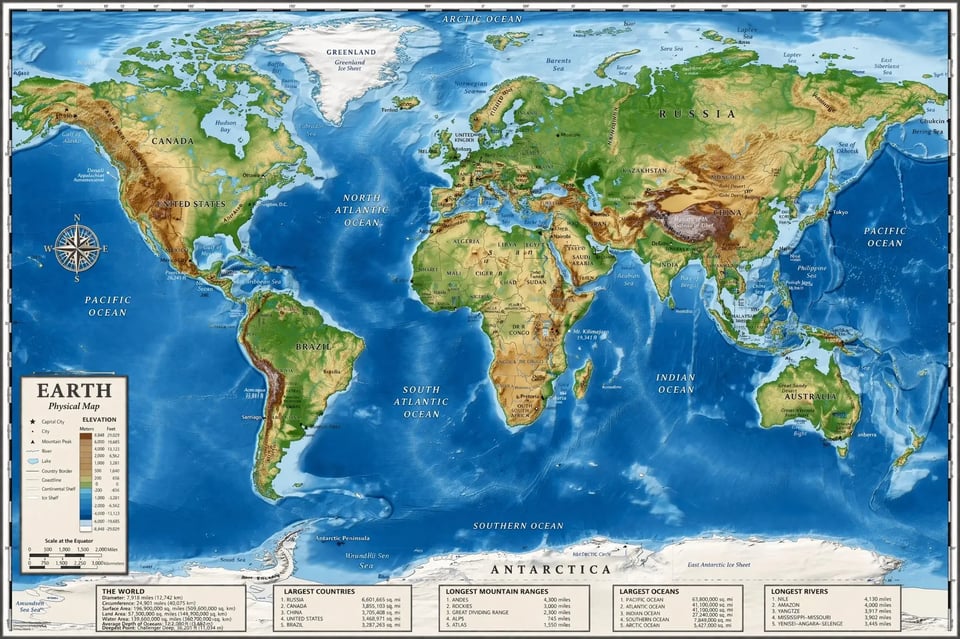
World-Knowledge Realism for More Grounded Visual Output with GPT Image 2 Model API
Faster Image Generation and Better Prompt Fidelity in GPT-Image2 API
Multilingual Text Generation Across Global Workflows with ChatGPT Image 2 API
4.9/ 5
43,008 ratings
Tap a star to rate

GPT Image 2 API is especially useful for teams that need to produce a steady volume of polished campaign visuals across different channels and formats. It can support ad images, paid social creatives, promotional banners, launch graphics, seasonal assets, and other branded materials that need to move quickly from concept to usable output. For marketing workflows, the value is not only in generating images faster, but in creating visuals that feel closer to real campaign-ready creative from the beginning.

GPT Image-2 API fits e-commerce and merchandising workflows that require controlled visual updates rather than one-off concept art. Product teams can use it to adjust backgrounds, recolor items, refine listing images, test packaging looks, or update hero visuals for different campaigns without rebuilding the whole scene each time. That makes it particularly relevant for storefront operations and retail content systems where visual consistency and speed both directly affect conversion work.

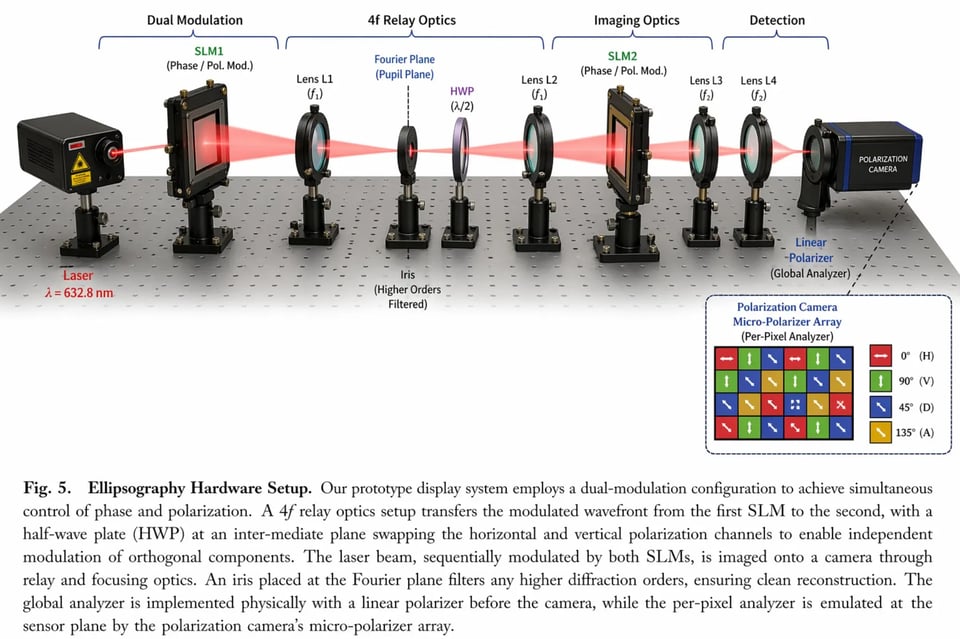
GPT Image 2 Model API works well in design-oriented environments where image generation is part of a broader content pipeline rather than a standalone feature. It can help create presentation graphics, editorial visuals, UI mockups, blog assets, infographics, concept frames, and branded support images that need to match a larger communication system. In this type of workflow, the model becomes more than a visual generator—it becomes a production layer for repeatable, structured content creation.

ChatGPT Image 2 API is highly relevant for teams working across multiple regions, languages, and audience segments. It can support localized campaigns, multilingual packaging, region-specific promotional visuals, educational graphics, and interface assets where the text inside the image plays an important role in the final design. For international operations, that makes the model especially useful in workflows where visual adaptation, language accuracy, and creative consistency all need to move together.

GPT Image 2 is OpenAI’s latest state-of-the-art image generation model. It is designed for more precise visual creation, stronger instruction following, denser text rendering, broader multilingual output, and both image generation and image editing workflows.

The official GPT Image 2 release date is April 21, 2026. This means GPT Image 2 API is already live for real-world image generation and image editing workflows rather than remaining in an early preview stage.

Yes. GPT Image 2 API is available now, and Kie.ai can serve as a practical access layer for developers who want to use it for image generation and image editing workflows. This makes Kie.ai a useful option for turning the model into real product features rather than treating it only as a model announcement or research milestone.

On Kie.ai, GPT Image-2 API can be used for localized advertising, infographics, explainers, educational content, design tools, creative platforms, and web creation products. It is especially valuable for teams that want to build practical image workflows for real business use, including visual creation systems that need both generation quality and editing flexibility.

Yes. GPT Image 2 Model API supports both generating images from prompts and editing images through image-based workflows, and Kie.ai can apply those capabilities to product-ready use cases. This gives developers a more flexible path for building AI Image Generator and AI Image Editor experiences inside the same API stack.

GPT-Image-2 API brings stronger instruction following, more accurate object placement, denser text rendering, broader aspect ratio flexibility, stronger multilingual performance, and more refined composition quality. On Kie.ai, these advantages are especially useful for teams that need more immediately usable output for commercial visuals, explainers, educational assets, design workflows, and other production-oriented image tasks.

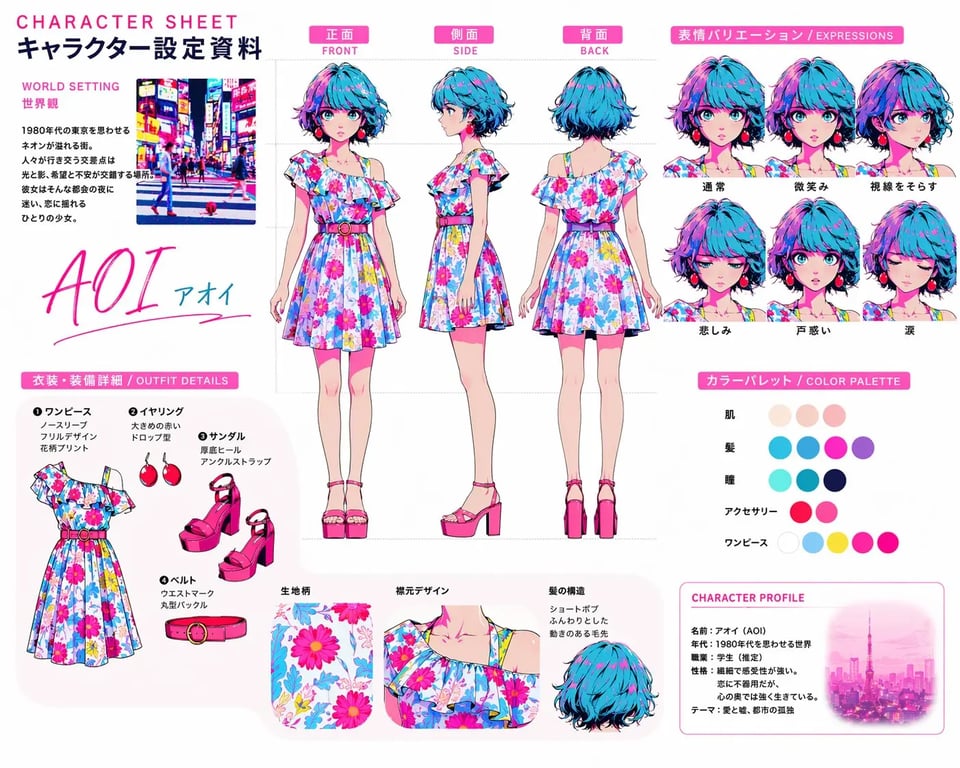
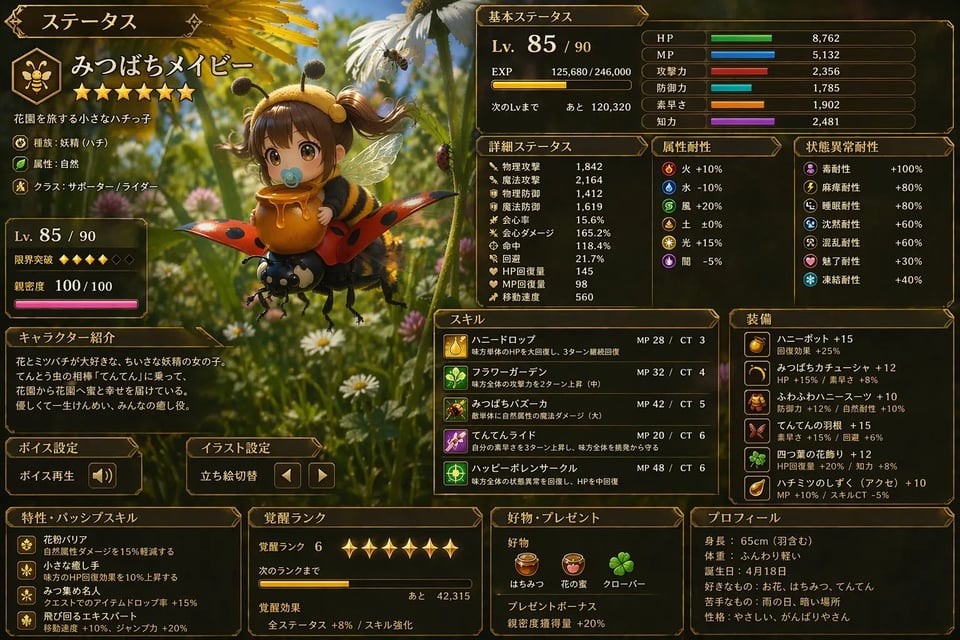
Yes. GPT-Image2 API is much stronger in multilingual image creation, including non-Latin text rendering in languages such as Japanese, Korean, Chinese, Hindi, and Bengali. On Kie.ai, this makes it better suited for posters, explainers, diagrams, comics, interface-like layouts, and other visuals where text, iconography, and dense composition need to work together inside the same image.

Yes. ChatGPT Image 2 API is well suited for more advanced workflows that involve generating multiple distinct images from one prompt, creating more coherent multi-output tasks, and producing image sets with stronger continuity across a project. On Kie.ai, this can support use cases such as manga pages, poster families, room redesign directions, social assets, and other workflows where a single image is not enough.