
一个平台,多种字节跳动 API 模型支持
Kie.ai 提供接入多个字节跳动 API 模型的渠道,包括用于视频生成的 Seedance API 和用于图像生成与编辑的 Seedream API。用户无需依赖单一生成路径,可在同一平台探索不同的字节跳动模型选项,并根据内容类型、质量预期、输入格式和创意控制需求进行选择。
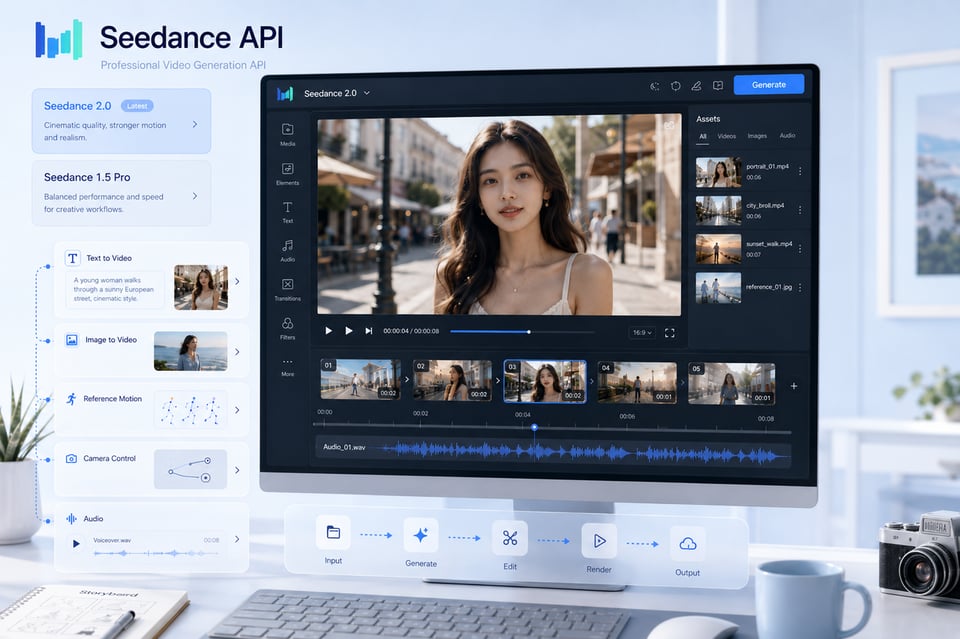
Seedance 2.5 on KIE is ByteDance’s upgraded AI video model, built for longer, more controllable video generation. It supports up to 30-second videos, multimodal references, precise editing, and improved consistency for more cinematic and production-ready creative workflows.
Wan3.0 is Alibaba’s next-generation all-in-one video generation model built for multimodal creation. It supports text, image, video, audio, and structured references to produce more consistent, realistic, and controllable video content with enhanced storytelling and editing capabilities.
Seedance 2.0 on KIE is a multimodal Al video model by ByteDance, optimized for fast and realistic video generation. It supports high-quality virtual human video creation with strong multi-shot consistency, enabling more lifelike and cinematic outputs across scenes.
GPT Image 2 is OpenAI’s next-gen image model built for stronger photorealism, cleaner image editing, sharper text rendering, and more polished product photography. Designed for more advanced visual workflows, it pushes image generation beyond basic text-to-image output and into higher-quality creative, commercial, and design-ready use cases.
Meet Nano Banana 2, Google’s Gemini 3.1 Flash Image model, now available via Kie AI API. Built for developers, it combines lightning-fast speed with Pro-level quality, accurate text rendering, strong character consistency, and scalable image generation and editing workflows.
Grok 4.6 is xAI’s latest frontier AI model, designed to enhance long-running agents, advanced reasoning, coding intelligence, and interactive AI experiences. Building on Grok 4.5, it delivers improved performance for complex multi-step tasks, knowledge work, software engineering, and creative applications.
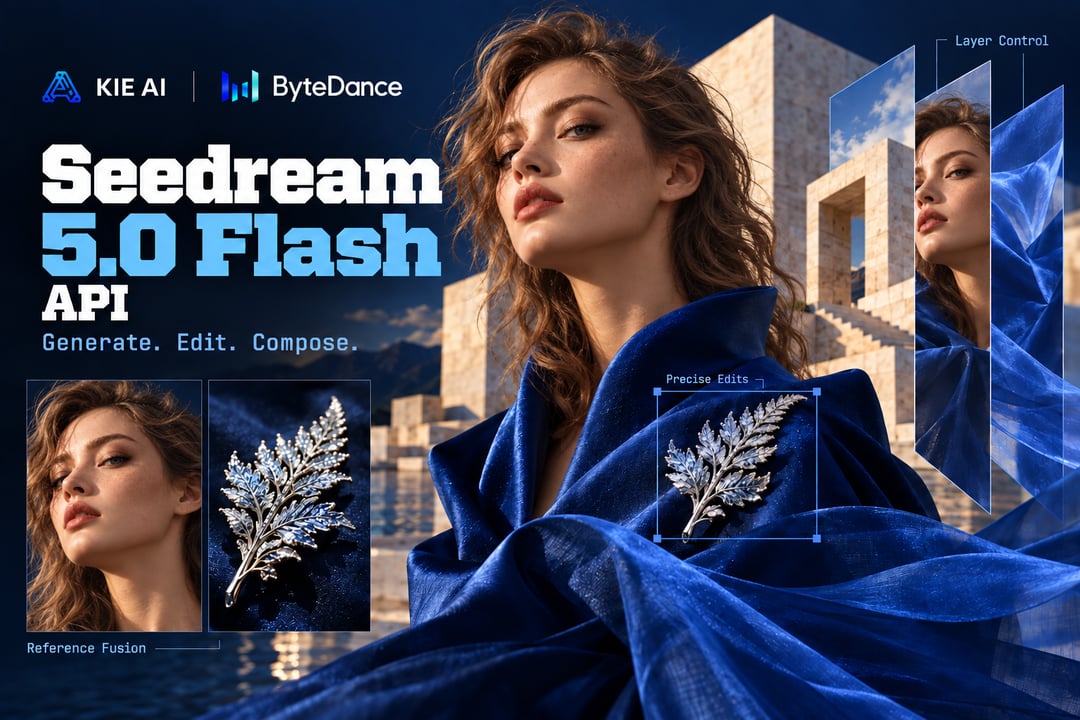
Seedance 2.0 Mini is ByteDance's cost-efficient AI video model designed for faster generation and lower inference costs. It supports text-to-video, image-to-video, consistent character generation, and cinematic motion, making it ideal for scalable AI video applications and production workflows.
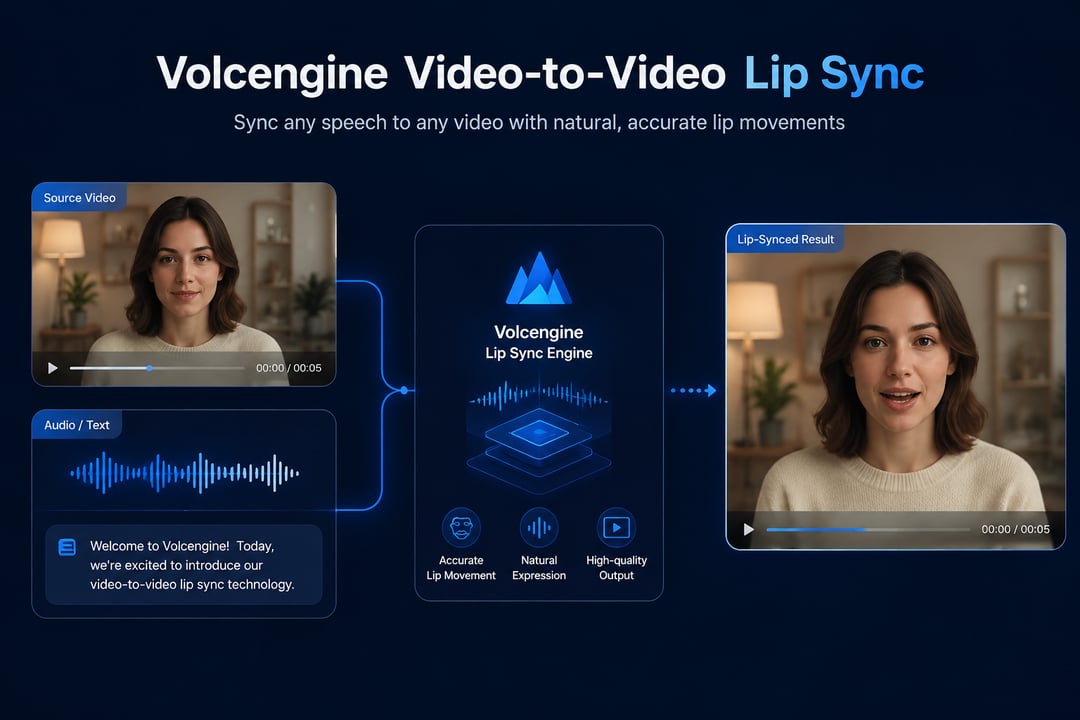
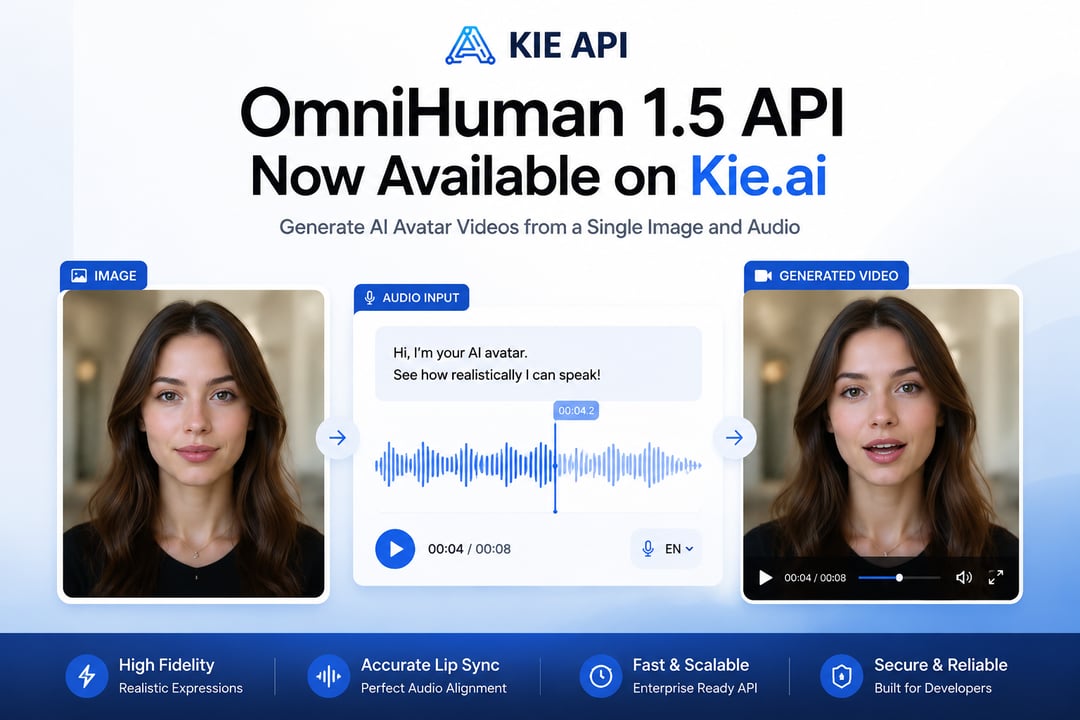
Seedance 2.0 on KIE is a multimodal Al video model by ByteDance, optimized for fast and realistic video generation. It supports high-quality virtual human video creation with strong multi-shot consistency, enabling more lifelike and cinematic outputs across scenes. With efficient generation speed, Seedance 2.0 typically averages around ~5 minutes per generation, while Seedance 2.0 Fast averages around ~4 minutes - making it a reliable choice for scalable, real-time content production.
Seedream 5.0 Lite is a unified multimodal image generation model by ByteDance, designed for multimodal reasoning, deep understanding, and controllable visual creation. It supports text-to-image and image editing workflows with improved consistency and real-time knowledge integration.
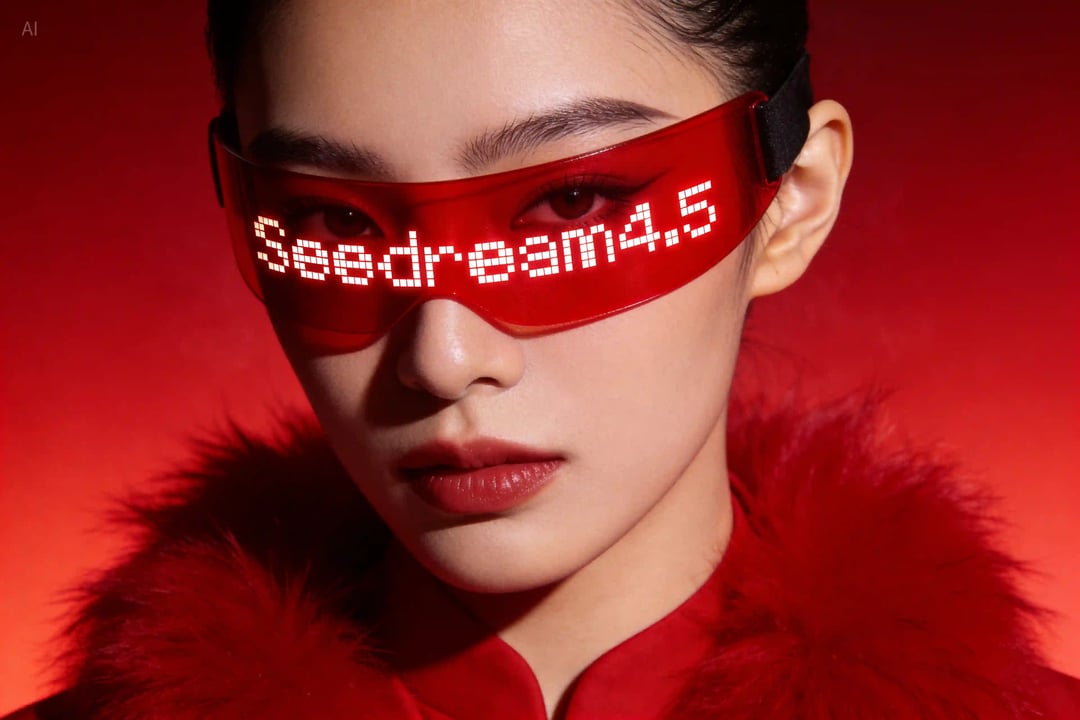
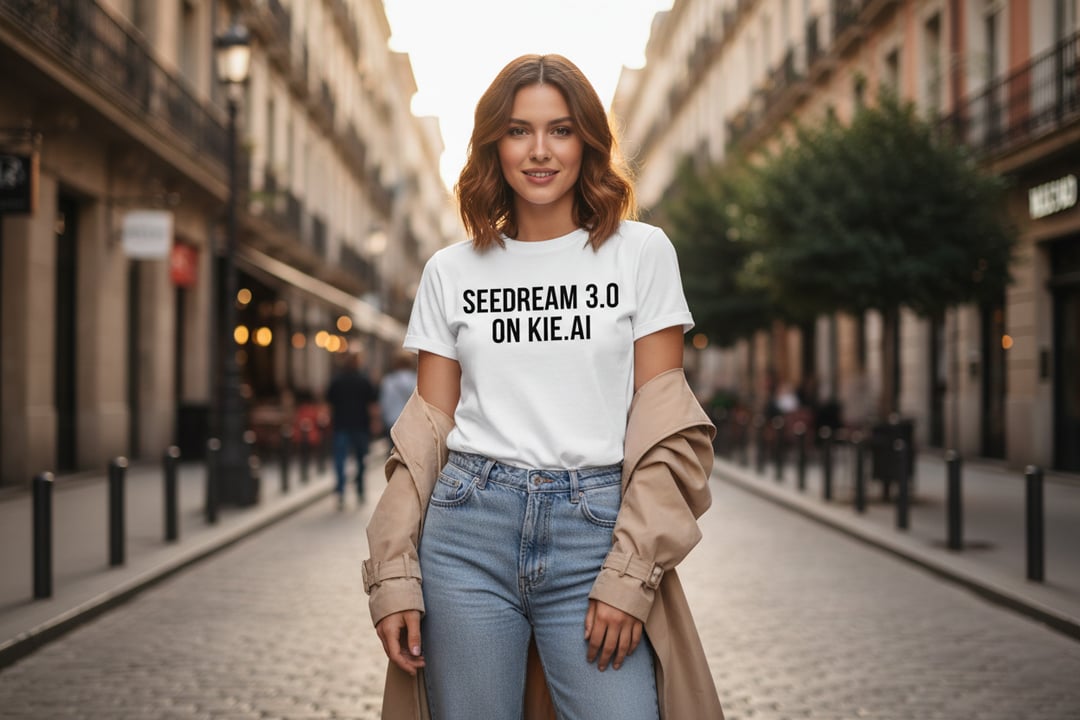
在 Kie.ai 上探索字节跳动 Seedance API 和 Seedream API,用于创建真实感 AI 视频、结构化内容、视觉编辑及可扩展的多模态生成流程。
Kie.ai 提供接入多个字节跳动 API 模型的渠道,包括用于视频生成的 Seedance API 和用于图像生成与编辑的 Seedream API。用户无需依赖单一生成路径,可在同一平台探索不同的字节跳动模型选项,并根据内容类型、质量预期、输入格式和创意控制需求进行选择。
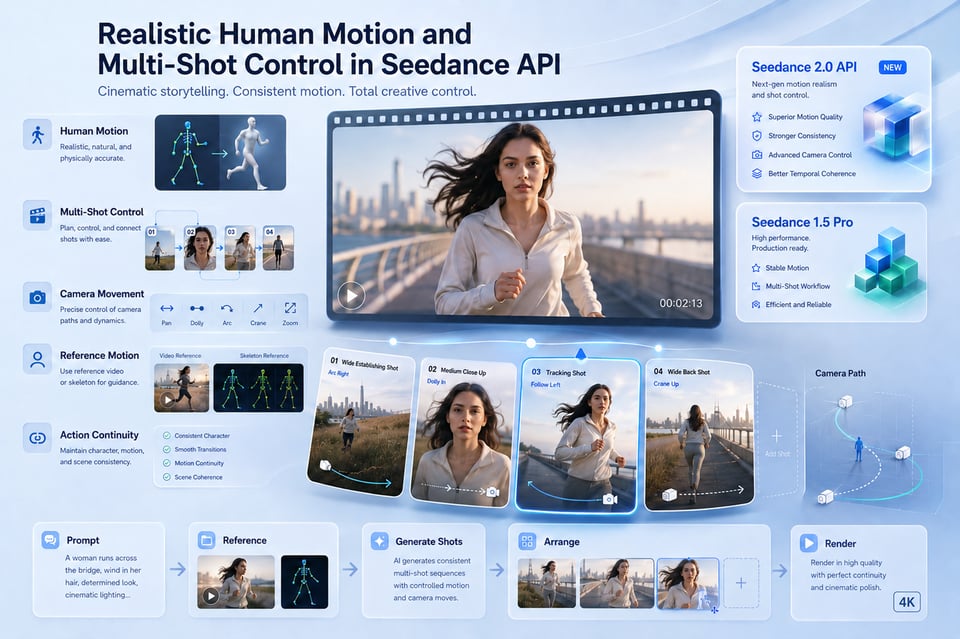
Seedance API 在需要真实人物主体、多镜头叙事、电影级镜头运动、参考引导动作以及更强动作连贯性的视频生成任务中尤为出色。借助如 Seedance 2.0 API 等模型,生成的视频片段能展现更丰富的动作结构、更流畅的场景切换,并具备比基础提示词输出更一致的视觉节奏。

Kie.ai provides access to multiple ByteDance API models, including Seedance API models for video generation and Seedream API models for image generation and editing. Instead of depending on a single generation path, users can explore different ByteDance model options within one platform and choose based on content type, quality expectations, input format, and creative control needs.
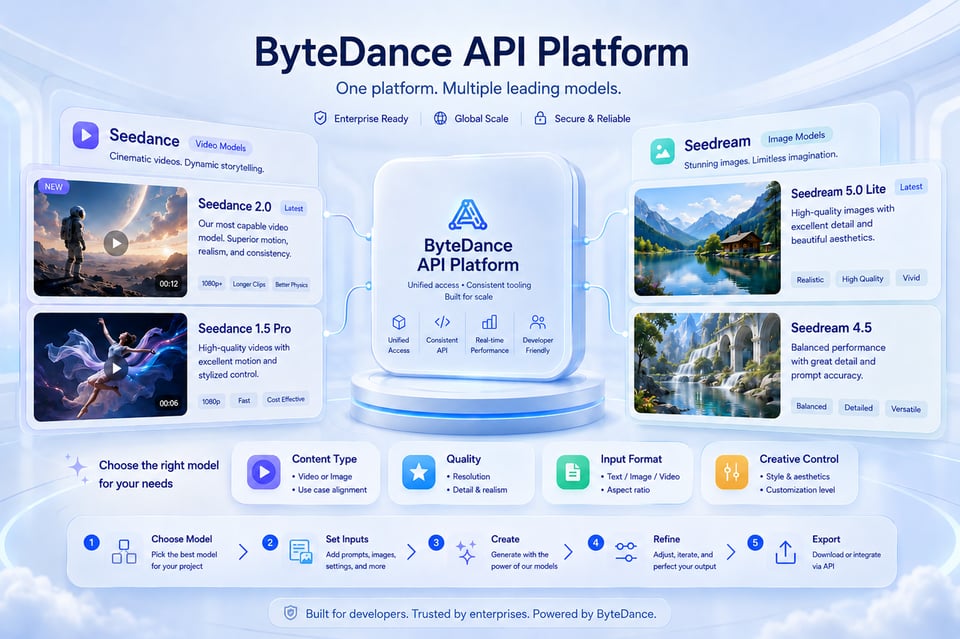
Seedance API is especially valuable for video generation that needs realistic human subjects, multi-shot storytelling, cinematic camera movement, reference-guided motion, and stronger action continuity. With models such as Seedance 2.0 API, generated clips can follow richer motion structure, maintain smoother scene transitions, and support more coherent visual rhythm than basic prompt-only video output.
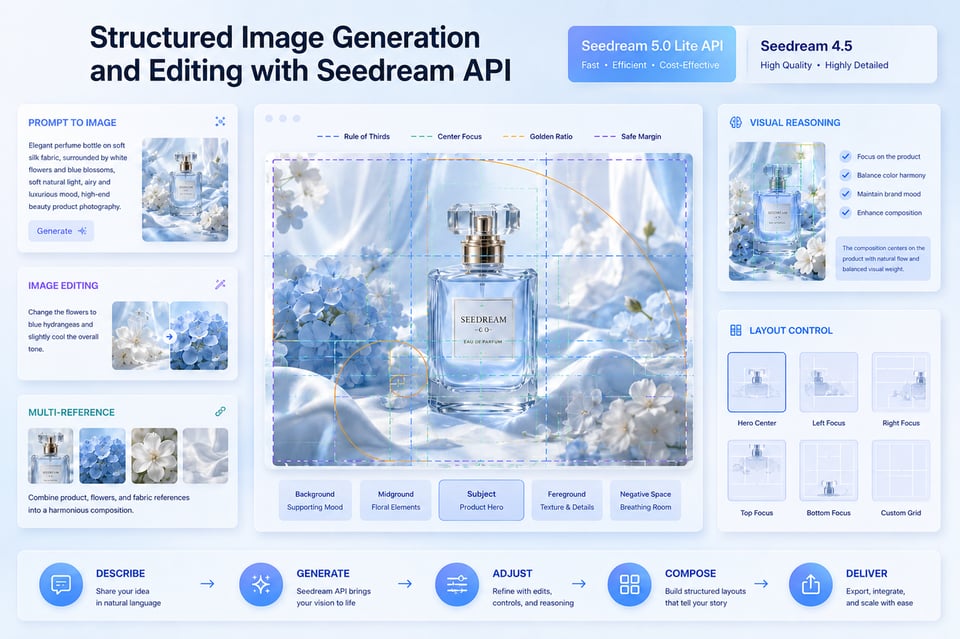
Seedream API supports advanced image generation and editing with stronger prompt interpretation, visual reasoning, layout-aware composition, and multi-reference control. With models such as Seedream 5.0 Lite API, image generation can move beyond simple visual rendering by handling complex scene logic, structured composition, clearer subject relationships, and more accurate visual intent.
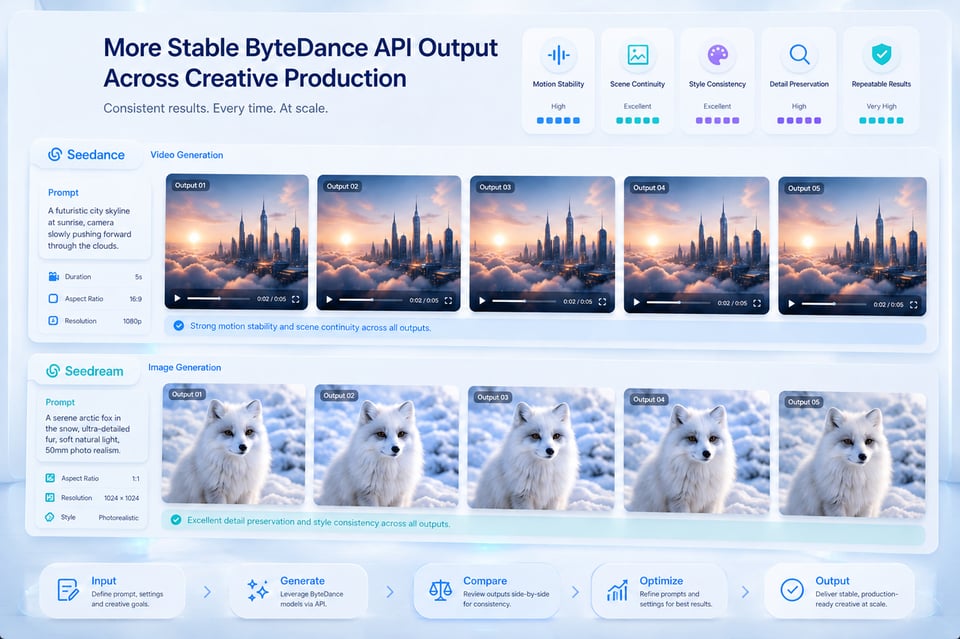
Beyond supporting different generation types, ByteDance API helps maintain more stable output across motion, structure, style, and visual detail. For video generation, this means smoother scene continuity and more coherent movement; for image generation and editing, it means cleaner composition, stronger detail preservation, and more predictable visual results across repeated creation tasks.
| Model | API Family | Primary Workflow | Representative Strengths | Best Fit |
|---|---|---|---|---|
| Seedance 2.0 API | Seedance API | Multimodal video generation | Realistic human motion, multi-shot storytelling, reference-guided movement, cinematic camera control, action consistency, and audio-visual alignment | Short-form video, realistic human clips, storyboard previews, action scenes, social content, and cinematic generation |
| Seedance 1.5 Pro API | Seedance API | Audio-visual video generation | Text-to-video, image-to-video, synchronized dialogue, sound effects, background music, expressive character scenes, and camera movement | Narrative clips, product explainers, dialogue videos, marketing videos, branded shorts, and cinematic scene creation |
| Seedream 5.0 Lite API | Seedream API | Reasoning-driven image generation | Strong prompt interpretation, visual reasoning, structured composition, complex scene understanding, clearer subject relationships, and layout-aware generation | Educational visuals, editorial graphics, campaign images, structured diagrams, concept visuals, and complex image scenes |
| Seedream 4.5 API | Seedream API | High-fidelity image generation and editing | 4K visual output, multi-image fusion, reference consistency, small-text clarity, image-to-image refinement, and detail preservation | Product visuals, posters, design drafts, e-commerce assets, brand graphics, text-heavy images, and polished creative assets |
Seedream API 可以生成干净的产品主图,具备居中主体、可控光源、真实阴影、高品质背景以及精美的商业构图。这些图像适用于需要突出展示单一产品的场景,例如护肤品瓶身、运动鞋、电子产品、食品包装、家具、配饰或数码设备等。
Seedream 5.0 Lite API 能够创建具有更强版式逻辑、视觉层级和结构化构图的海报风格图像。用户可以生成音乐会海报、促销海报、电影风格海报、新品发布视觉、节日图形、网络研讨会横幅及推广核心视觉等内容,其中主体位置、背景氛围和图文布局空间都至关重要。
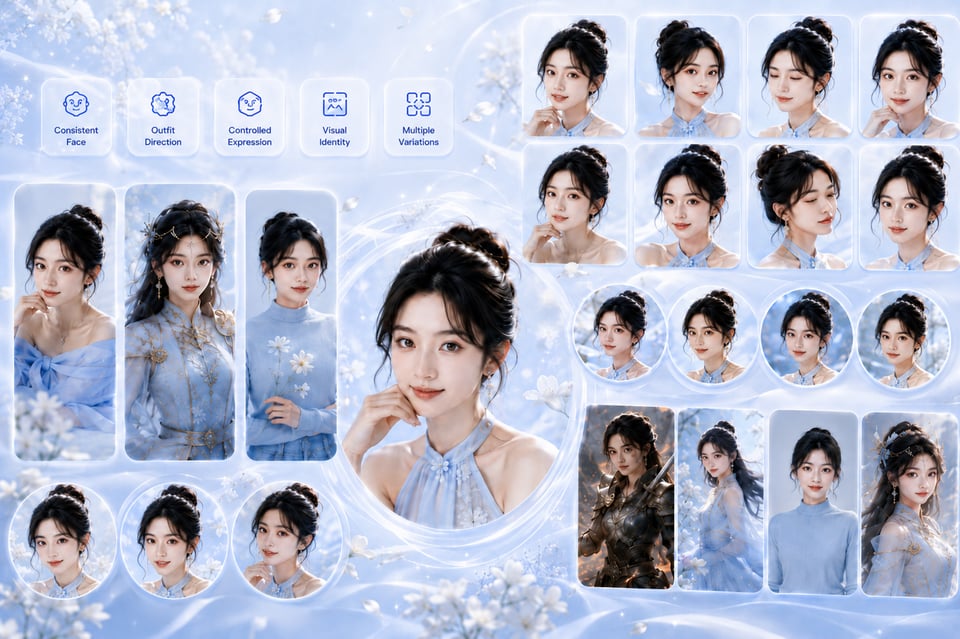
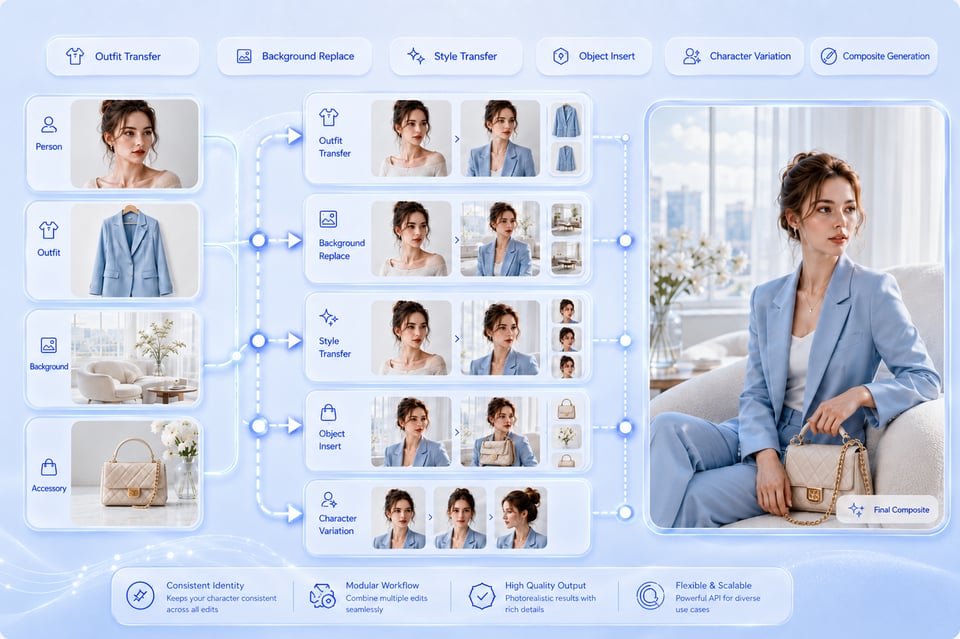
Seedream API 可生成人物肖像、头像、幻想角色、游戏风格面孔、吉祥物概念、网红风格肖像及风格化人像。适用于需要统一面部特征、明确服装风格、可控表情,并在多种变体中保持一致视觉形象的场景。
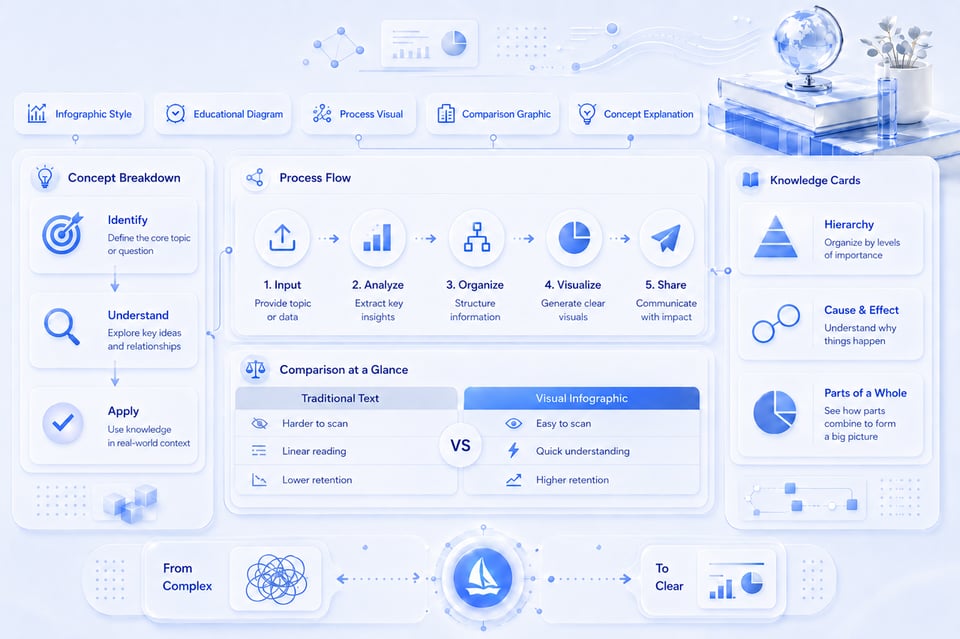
Seedream 5.0 Lite API 适用于制作信息图风格图像、教育示意图、流程图、对比图表、概念解释图及知识卡片。其基于推理的生成方式有助于更清晰地组织视觉元素,特别适合需要清晰逻辑结构而非单纯追求视觉美感的内容。
Kie.ai 让用户能够在同一平台访问多款字节跳动API模型,包括 Seedance API 和 Seedream API。无需在不同工具或模型页面之间跳转,用户可通过统一平台探索各类字节跳动模型,选择最适合视频生成、图像生成、编辑或跨模态创意任务的方案。

Kie.ai 提供具有竞争力的字节跳动API价格,帮助用户在无需高额前期投入的情况下测试、比较并扩展AI生成服务。灵活的计费方式使用户能够根据实际输出质量、生成量及工作流需求,更轻松地评估 Seedance API 和 Seedream API 的性能表现。

Kie.ai 提供结构化的字节跳动API文档,帮助用户理解可用模型、请求格式、参数、认证方式、回调机制和输出格式处理。清晰的文档能减少猜测,帮助用户更顺畅地从测试环境过渡到实际API调用。
Kie.ai 支持免费试用字节跳动API,帮助用户在深度集成前预览支持的模型。您可以测试 Seedance API 的动作捕捉、人体视频、多镜头场景及音视频生成能力,或尝试 Seedream API 的图像生成、编辑、结构化构图与视觉推理功能。
Kie.ai 提供全天候字节跳动API服务支持,适用于不同时区和不同生产节奏的用户。对于需要稳定访问、问题处理和快速响应支持的团队来说,这在测试或运行AI生成工作流时尤为有用。

Kie.ai 会持续更新字节跳动API模型的访问权限,以适配不断演进的支持模型与功能。用户可以探索更新的模型选项、对比生成结果,并根据 Seedance API 和 Seedream API 的持续迭代升级调整工作流程。具体模型可用性、支持参数、定价及输出选项请以最新 Kie.ai API 文档为准。
是的。Kie.ai允许用户在正式接入前测试支持的字节跳动API模型。您可以在实验平台中试用可用的Seedance API和Seedream API模型,评估输出质量、对比生成行为,并选择最适合您视频、图像生成或编辑工作流的模型。
Kie.ai提供多个字节跳动API模型的访问权限,包括Seedance 2.0 API、Seedance 1.5 Pro API、Seedream 5.0 Lite API和Seedream 4.5 API。随着新版本上线或更新,支持的模型可能会有所变化,请以Kie.ai官方API文档中的最新版本为准。
可以。通过字节跳动的Seedance API模型,您可以实现AI视频创作。这些模型适用于真实人物视频、多镜头场景、电影级镜头运动、参考驱动动作、产品剪辑、音乐驱动视频等动态创意内容。
可以。通过字节跳动的Seedream API模型,您也可以实现图像生成与编辑功能。用户可创建产品图、活动海报、人物肖像、包装视觉、信息图以及多参考编辑内容,具备更强的布局控制、风格一致性及细节控制能力。
引用功能支持取决于所选模型。部分 Seedance API 工作流可能支持图像引用、视频引用、音频引导或帧控制;而 Seedream API 工作流则可能支持图生图编辑和多参考图像生成。具体输入类型、文件限制及参数规则请以最新的 Kie.ai API 文档为准。
字节跳动 API 集成的最终参考应以最新的 Kie.ai API 文档为准。该文档包含支持的模型、请求字段、鉴权方式、输入要求、输出格式、回调接口、定价信息及其他模型特定设置。