スケーラブルな製品向けにコストパフォーマンスの高いチャットAPI価格
Kie.aiはクレジットベースの課金システムを提供し、チャットモデルのテストや展開中に利用コストをコントロールできるように支援します。頻繁なユーザーとの会話、繰り返しのプロンプトテスト、大量のAI応答を処理する製品において、コストパフォーマンスの高いチャットAPI価格により、実験とスケーリングの管理が容易になります。

Seedance 2.5 on KIE is ByteDance’s upgraded AI video model, built for longer, more controllable video generation. It supports up to 30-second videos, multimodal references, precise editing, and improved consistency for more cinematic and production-ready creative workflows.

Wan3.0 is Alibaba’s next-generation all-in-one video generation model built for multimodal creation. It supports text, image, video, audio, and structured references to produce more consistent, realistic, and controllable video content with enhanced storytelling and editing capabilities.
Seedance 2.0 on KIE is a multimodal Al video model by ByteDance, optimized for fast and realistic video generation. It supports high-quality virtual human video creation with strong multi-shot consistency, enabling more lifelike and cinematic outputs across scenes.
GPT Image 2 is OpenAI’s next-gen image model built for stronger photorealism, cleaner image editing, sharper text rendering, and more polished product photography. Designed for more advanced visual workflows, it pushes image generation beyond basic text-to-image output and into higher-quality creative, commercial, and design-ready use cases.
Meet Nano Banana 2, Google’s Gemini 3.1 Flash Image model, now available via Kie AI API. Built for developers, it combines lightning-fast speed with Pro-level quality, accurate text rendering, strong character consistency, and scalable image generation and editing workflows.
Grok 4.6 is xAI’s latest frontier AI model, designed to enhance long-running agents, advanced reasoning, coding intelligence, and interactive AI experiences. Building on Grok 4.5, it delivers improved performance for complex multi-step tasks, knowledge work, software engineering, and creative applications.
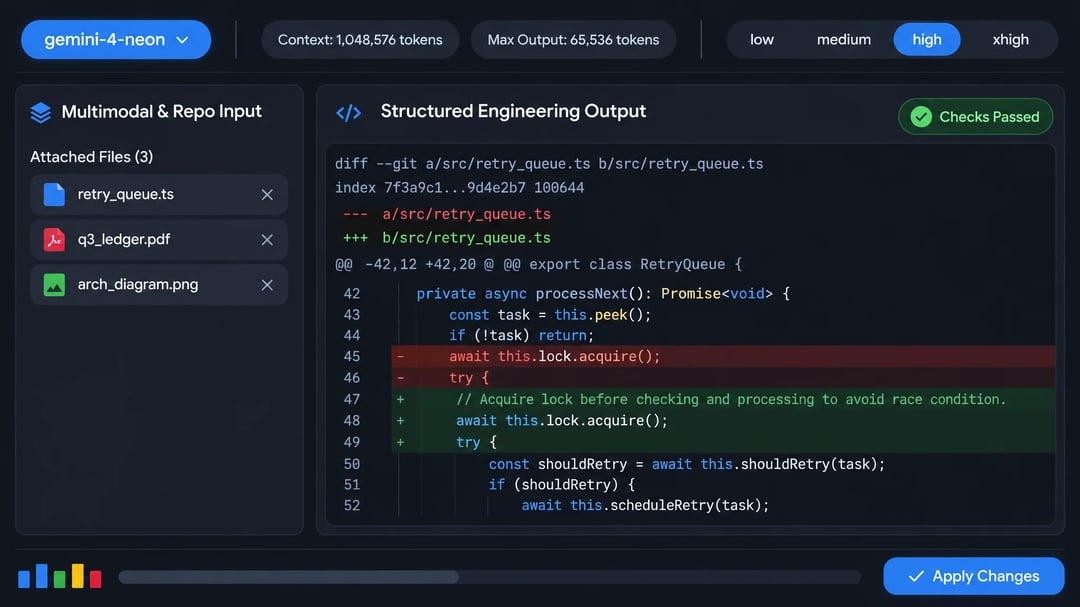
Google introduced Gemini 4 Neon (gemini-4-neon) on November 18, 2026 to balance frontier-level reasoning depth with efficient end-to-end task completion across complex software engineering, analytical reasoning, knowledge work and science workflows. Adapted from Gemini 4 Carbon, it sits between Gemini 4 Hydrogen and Gemini 4 Carbon in the Gemini 4 family and offers a unified 1,048,576-token context window with four thinking levels, from low to xhigh. On Kie.ai, it currently supports chat requests only.
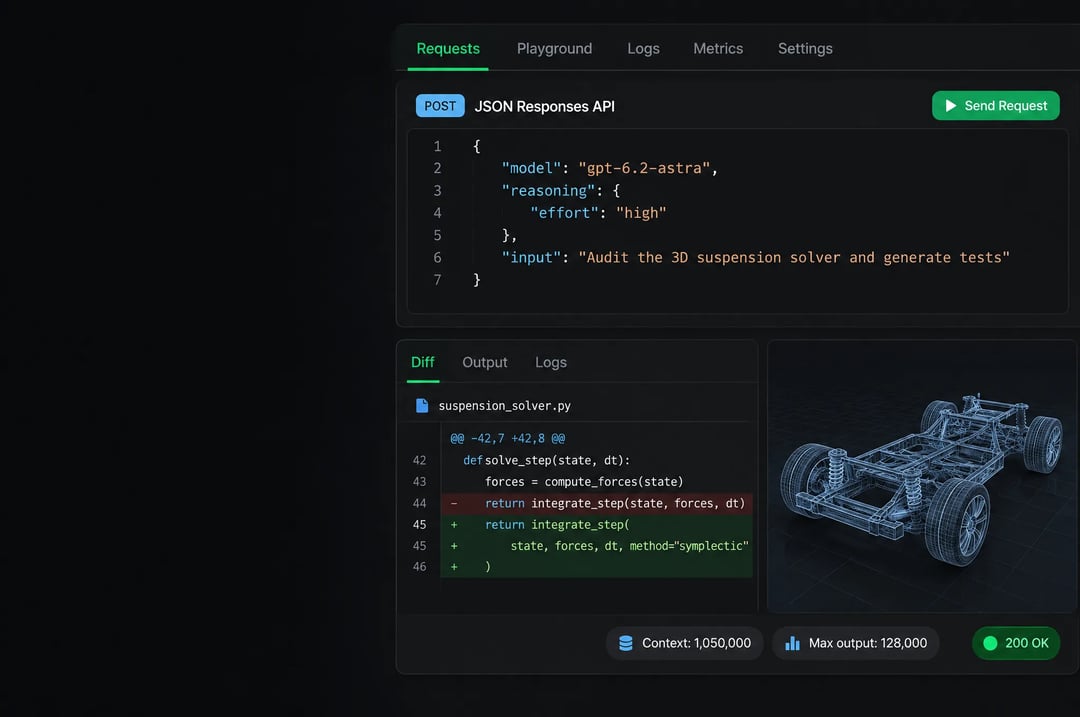
OpenAI introduces GPT-6.2 Astra as its frontier model for the hardest projects, released on November 17, 2026. It accepts text and image inputs across a 1,050,000-token context window (up to 922,000 input tokens and 128,000 output tokens) and delivers cleaner code, better frontends and 3D models, and better results on demanding tasks with fewer output tokens. On Kie.ai it currently supports chat requests only.
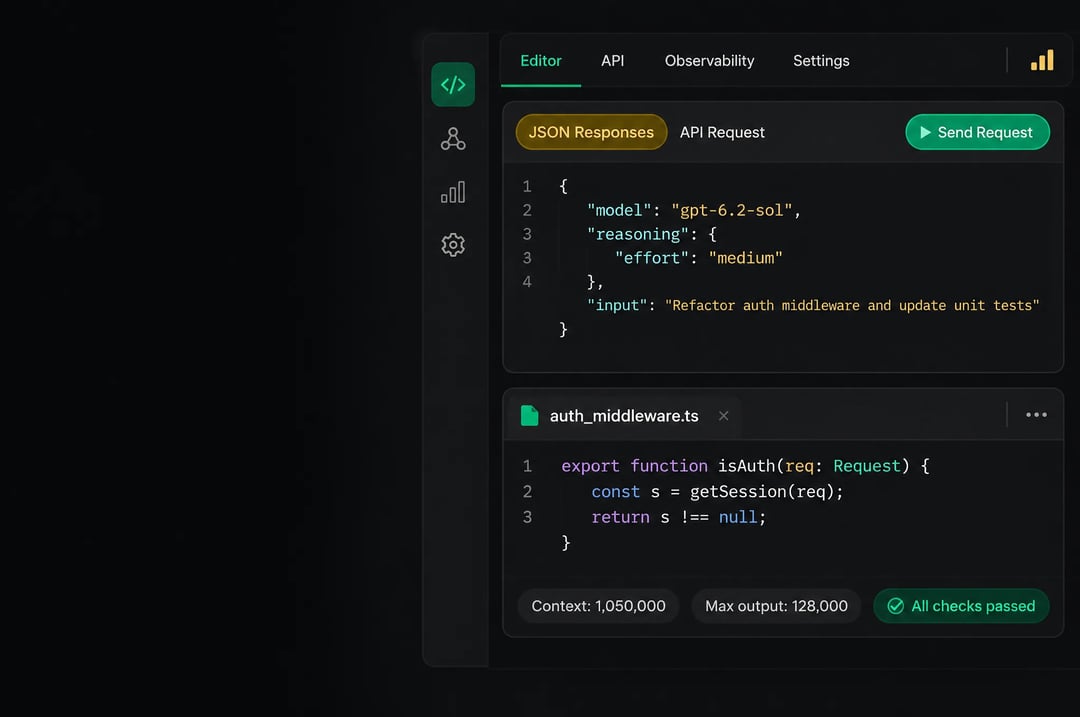
OpenAI introduces GPT-6.2 Sol as its efficient, versatile model for everyday work, released on November 17, 2026. It accepts text and image inputs across a 1,050,000-token context window (up to 922,000 input tokens and 128,000 output tokens), powers through multistep agentic workflows and delivers strong results with fewer output tokens. On Kie.ai it currently supports chat requests only.
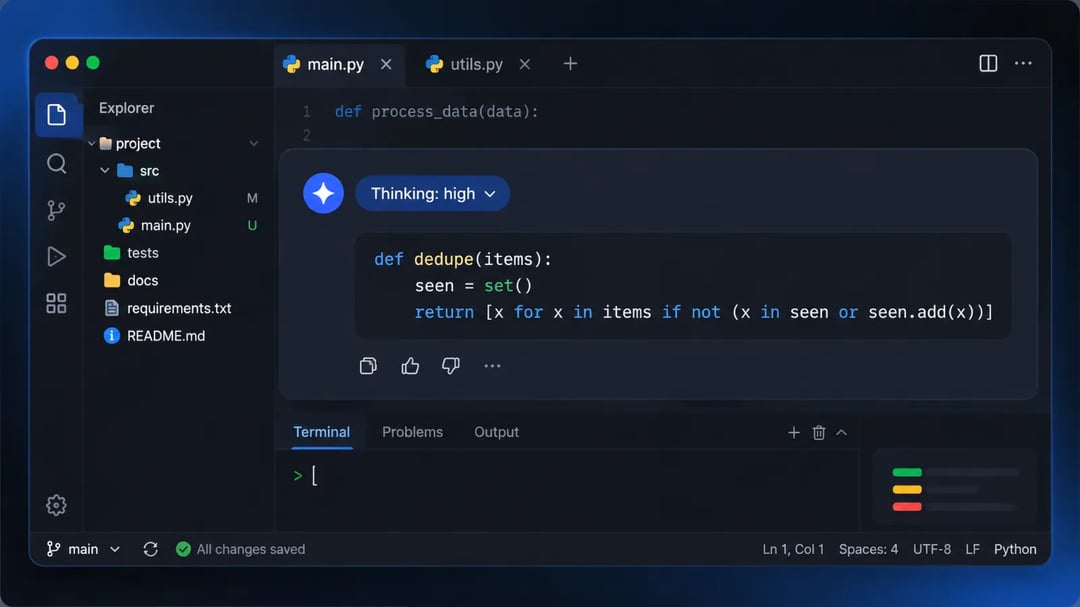
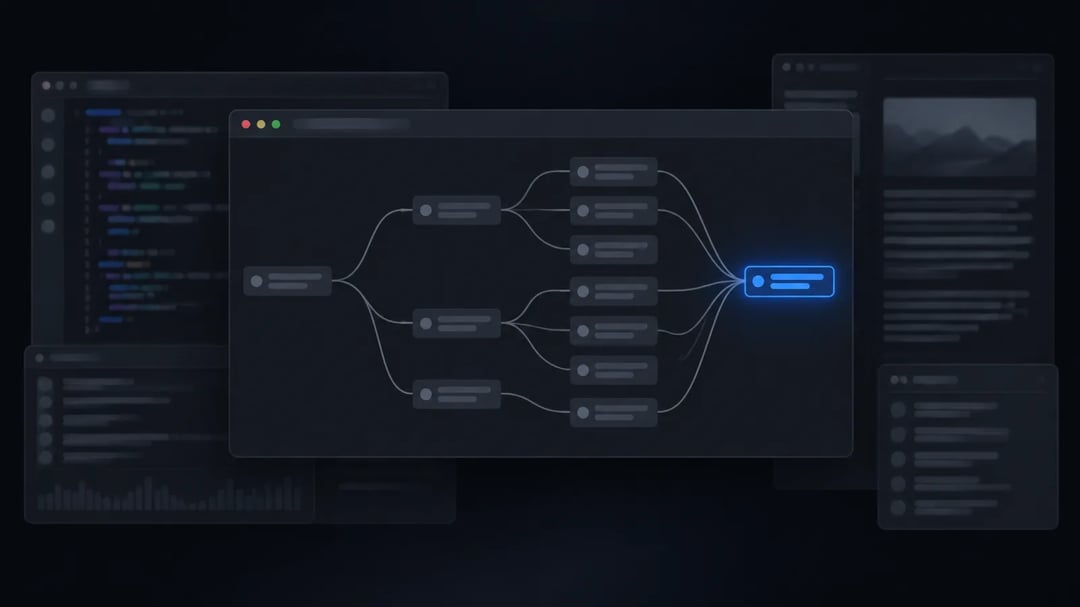
Google describes Gemini 4 Carbon as its strongest reasoning model, built for complex software engineering, multimodal knowledge work and scientific reasoning. It is based on Gemini 4 Argon and spends more thinking tokens on hard problems to explore hypotheses and verify its work. On Kie.ai it currently supports chat requests only.
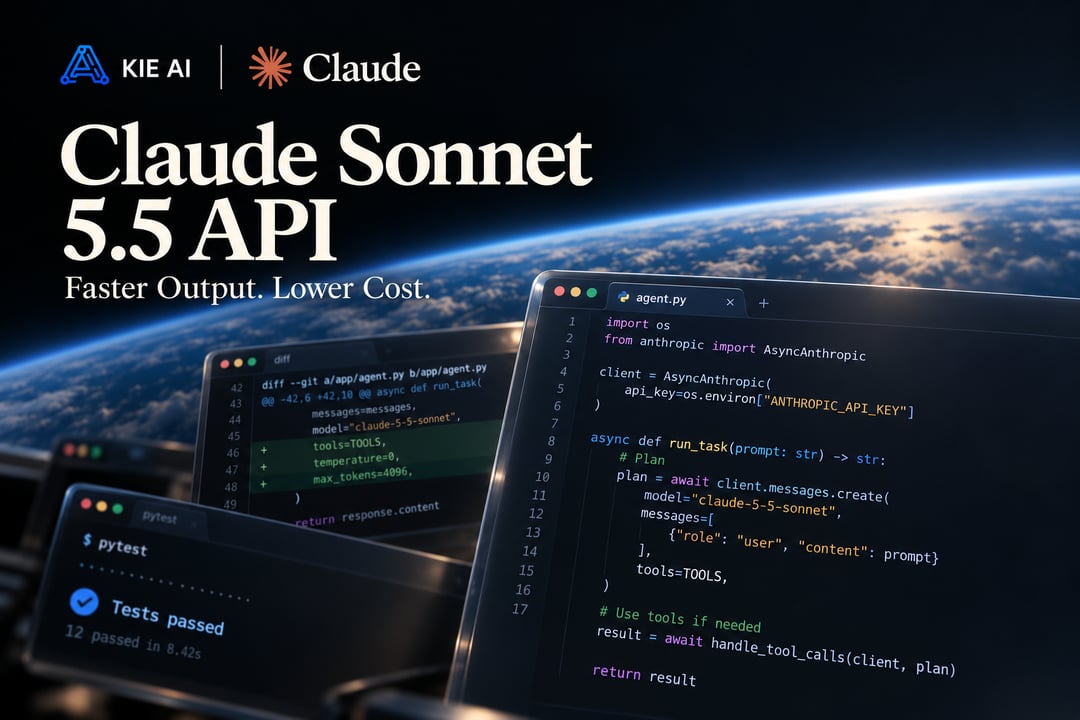
Claude Sonnet 5.5 is Anthropic’s second model in the Claude 5.5 family, designed as a faster, more cost-efficient upgrade to Sonnet 5. It delivers 30%+ faster output with up to 30% lower cost per task, while supporting coding, AI agents, knowledge work, visual understanding, and everyday AI tasks.
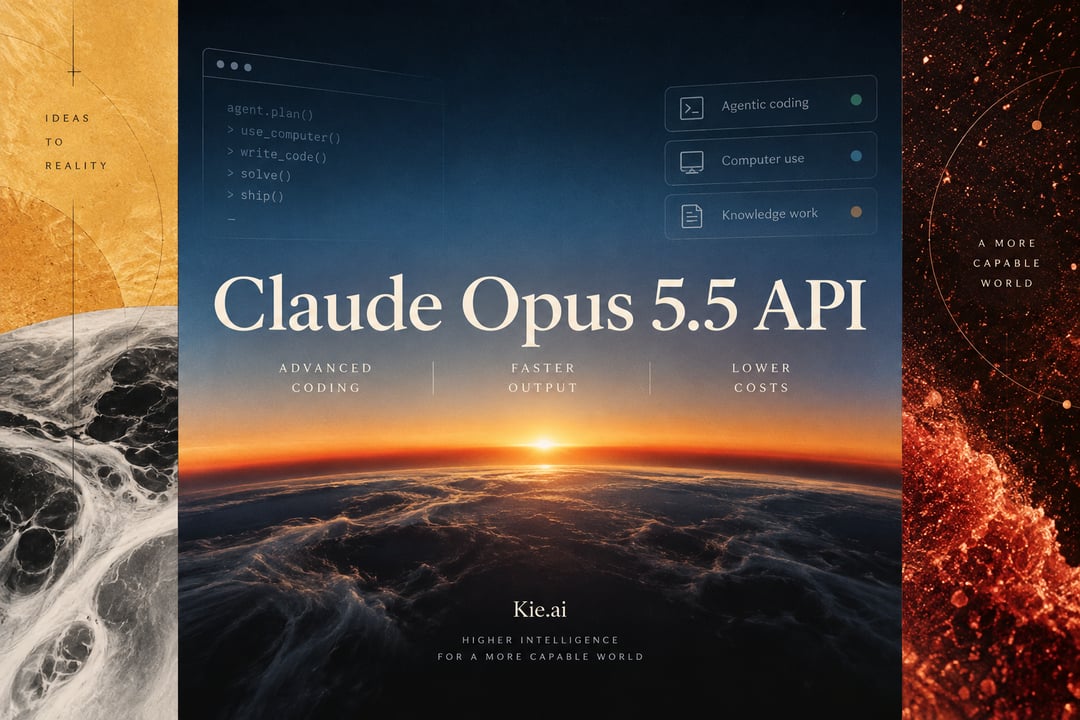
Claude Opus 5.5 is Anthropic's first model in the Claude 5.5 family, delivering frontier-level performance in agentic coding, computer use, and knowledge work. With faster output, clearer communication, and significantly improved computational efficiency, it brings advanced intelligence to demanding, multi-step tasks.
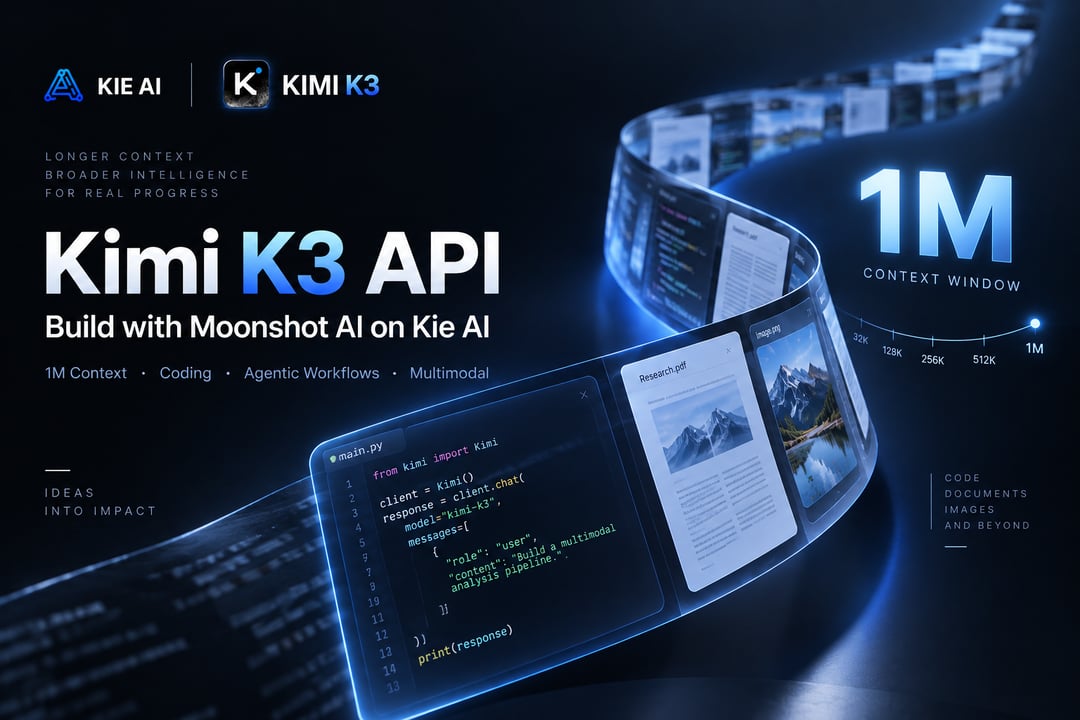
Kimi K3 is Moonshot AI’s advanced model built for coding, complex reasoning, long-horizon agentic tasks, and multimodal understanding. With a 1M-token context window, it can work across large codebases, long documents, images, and complex workflows while maintaining extensive context.
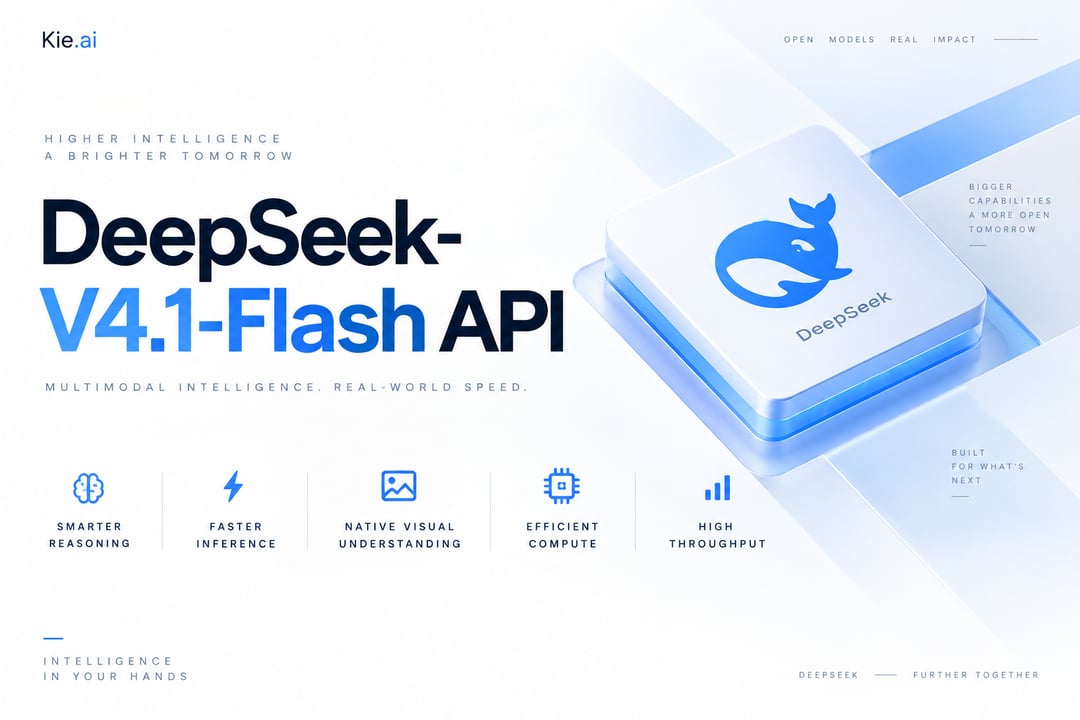
The DeepSeek V4.1 Flash API gives you the smallest model in DeepSeek's new architecture family, a 552B-parameter Mixture-of-Experts model with native visual understanding (its model card lists contexts of up to one million tokens), served on an OpenAI Responses-compatible endpoint on Kie.ai.
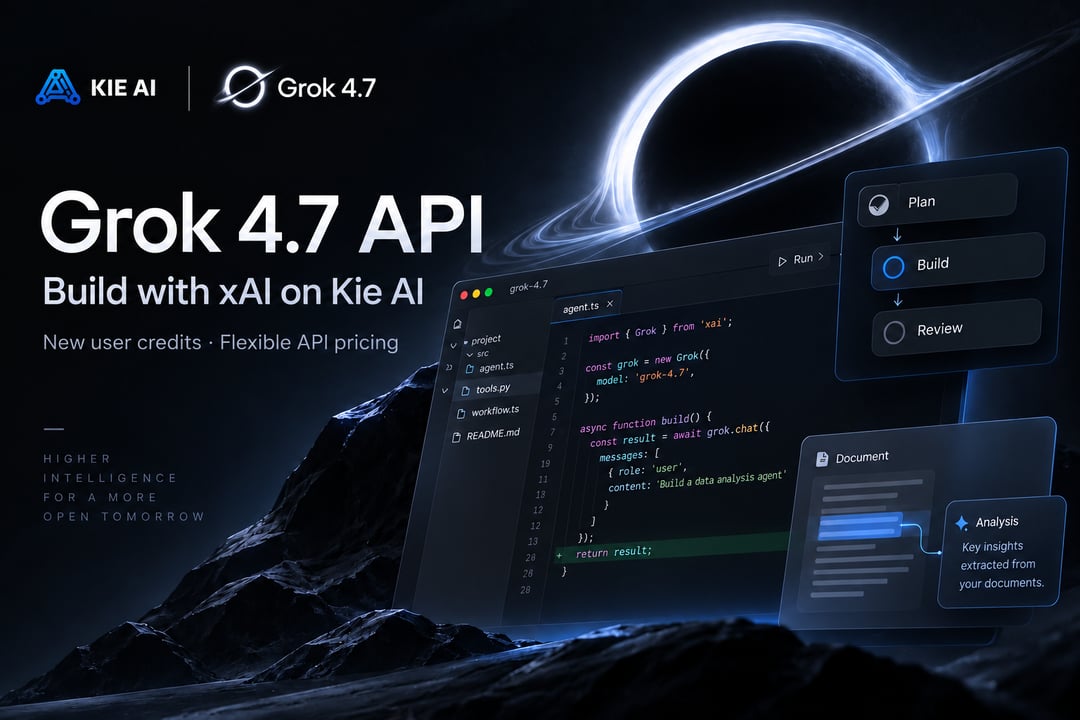
Grok 4.7 is SpaceXAI’s advanced AI model for coding, reasoning, long-horizon tasks, and professional knowledge work. It features stronger self-verification, improved long-context management, and a 500K context window, making it suitable for AI agents, developer tools, research, and complex workflows.
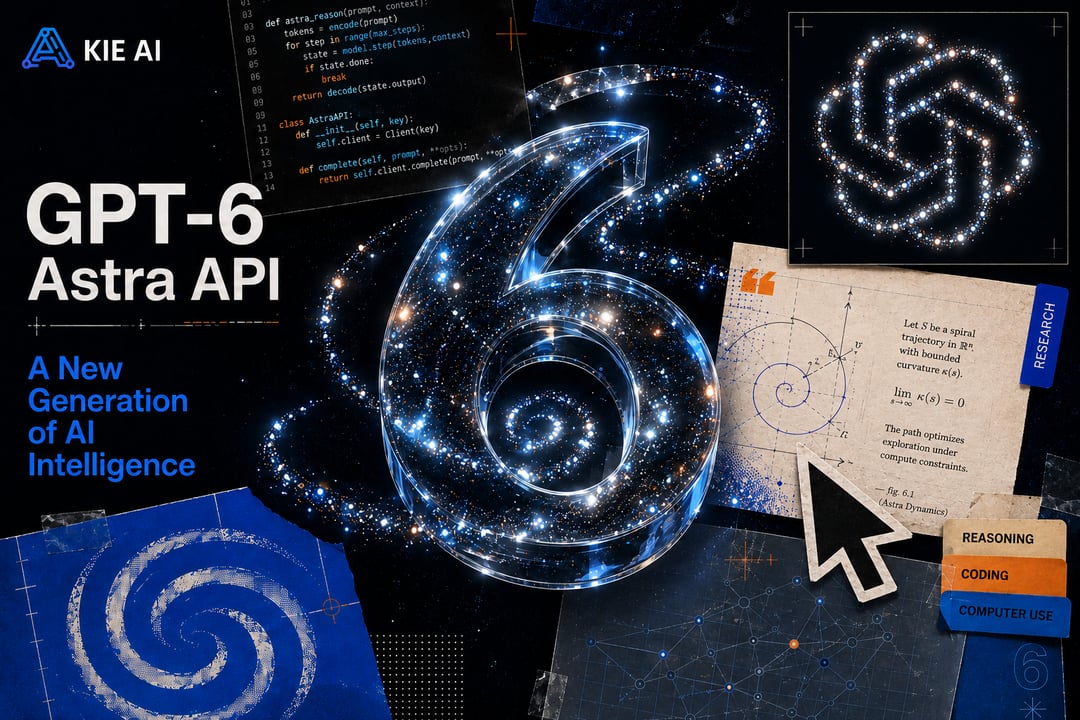
GPT-6 Astra is an advanced AI model from OpenAI designed for complex tasks and multi-step workflows. It combines strong reasoning with computer use, coding, research, and professional work, helping users solve complex problems and complete practical tasks across browsers, software, and other tools.
Claude Fable 5.1 is Anthropic's flagship AI model built for complex, multi-step coding, advanced reasoning, scientific research, and knowledge-intensive work. It delivers stronger performance and greater cost efficiency than Fable 5, with particular improvements in long-running agentic workflows and demanding problem-solving tasks.
人気のチャットモデルをテストし、出力品質を比較して、チャットボットやアシスタント、LLM搭載アプリケーションに最適なAPIを展開しましょう。Kie.ai上で実現可能です。
Kie.aiはChatGPT API、Google Gemini API、Claude APIを一つのプラットフォームに統合し、単一のプロバイダーに依存せず、異なるモデルファミリーを比較しやすくなります。この統合LLM API環境により、出力品質、推論の仕組み、速度、コストに基づいてモデルを選択する際の柔軟性が高まります。
最新のチャットAPIモデルは、分析、比較、計画、複数ステップの推論を含むプロンプトに対応することが可能です。短い会話形式の返答だけでなく、複雑な質問に対してより明確に情報を整理し、より深みのある回答を提供することが可能になります。
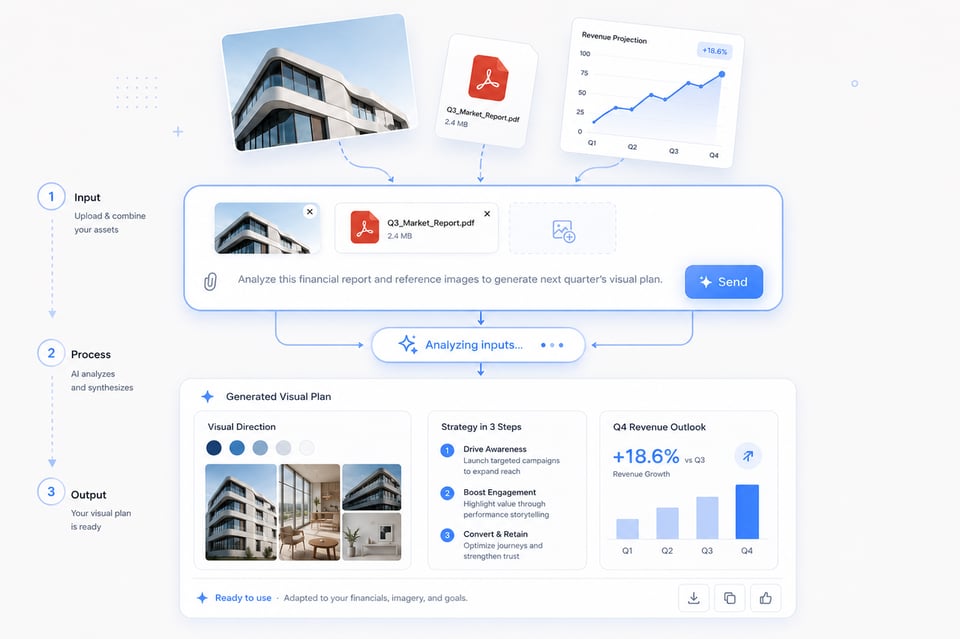
マルチモーダル入力がサポートされている場合、一部のAIチャットAPIモデルは通常のテキスト以外にも画像、文書、スクリーンショット、または混合プロンプトなどの詳細な入力に対応することが可能です。ただし、サポートされる入力形式、ファイル制限、フォーマット要件はモデルによって異なります。正確な要件については関連APIドキュメントをご確認ください。
Kie.aiでアカウントを作成し、ダッシュボードにログインしてください。APIセクションに入り、AIチャットAPIキーを生成し、バックエンド連携用に安全に管理してください。このキーを使用して、アプリケーションと選択したチャットモデルを接続します。

Playgroundを使って、デプロイ前に異なるAIチャットAPIモデルをテストできます。応答の品質、推論スタイル、プロンプトの挙動、出力の一貫性などを、利用可能なモデル間で比較できます。一部のテストは無料クレジットで行えますが、すべてのモデルや利用シーンが無料というわけではありません。実際の利用料金はクレジット残高やモデルの料金設定によって異なります。

テスト後、製品の目的、応答の期待、予算に合致するAIチャットAPIモデルを選択してください。その後、選択したモデルをアプリケーション、チャットボット、アシスタント機能、内部ツール、またはその他のAI搭載製品体験に接続します。
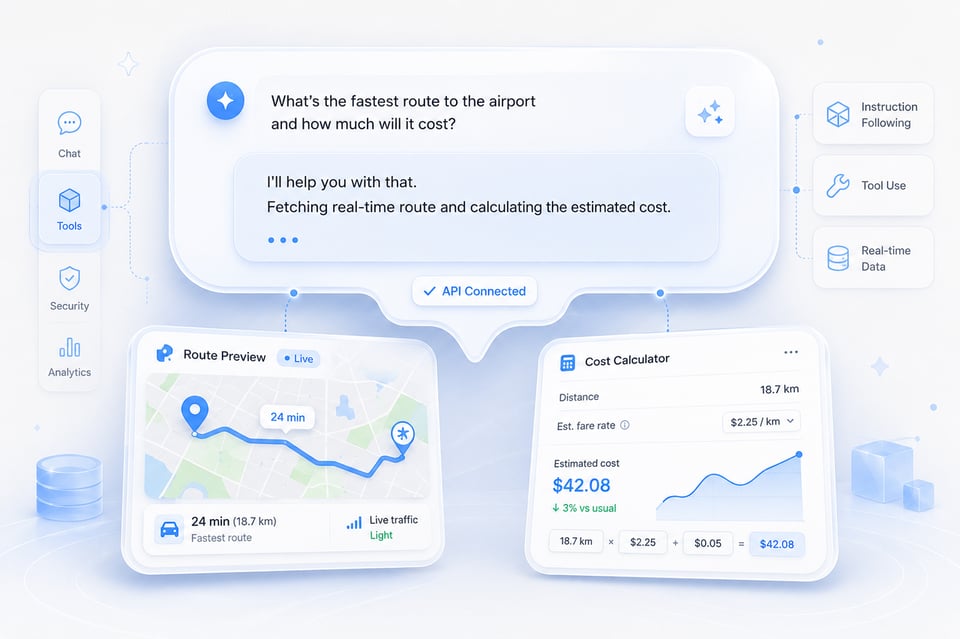
A capable ChatBot API should follow detailed prompts, system instructions, formatting rules, and user-defined requirements with better consistency. When supported by the selected model, tool calling or function-style capabilities can also connect model responses with external actions, search, calculations, data retrieval, or other defined capabilities.
Kie.aiはクレジットベースの課金システムを提供し、チャットモデルのテストや展開中に利用コストをコントロールできるように支援します。頻繁なユーザーとの会話、繰り返しのプロンプトテスト、大量のAI応答を処理する製品において、コストパフォーマンスの高いチャットAPI価格により、実験とスケーリングの管理が容易になります。
単一のプロバイダーに依存せず、複数のモデルファミリーを1つのプラットフォームで統合する
特に顧客に直接提供される製品では、AIチャット機能の安定した応答が求められます。Kie.aiは、監視可能な可用性、タスク追跡、プラットフォームの安定性を念頭に置いて設計されており、テストや本番環境でのAIチャットAPIの運用をより確実にします。
デプロイ前でも、チームはプレイグラウンドでプロンプトをテストし、モデルの挙動を直接比較できます。これにより、ChatBot APIの評価がより実用的になり、モデルを自社製品に接続する前に、応答のスタイル、推論の質、指示の正確な実行、コストの変化を確認することが可能になります。

チャットAPIは、AIアシスタント、カスタマーサポートボット、SaaSコパイロット、ライティングツール、ナレッジアシスタント、技術支援システムなど、会話型の製品機能の構築に使用できます。特に、固定フォームや静的検索ではなく、自然言語によるインタラクションが必要な場合に最も効果的です。
はい。Kie.aiでは、ChatGPT API、Google Gemini API、Claude APIの各モデルファミリーを含む、複数のAIチャットAPIオプションをご提供しています。利用可能なモデルは変更されることがありますので、最新のモデルリスト、対応パラメータ、料金、利用可能状況については関連するAPIドキュメントをご確認ください。
はい。デプロイ前にPlaygroundでさまざまなチャットAPIモデルをテストできます。一部のテストは無料クレジットで行えますが、すべてのモデルや利用シーンが完全に無料になるわけではありません。実際の利用料金はクレジット残高、選択したモデル、現在の料金体系により異なります。
キーは安全に保管し、フロントエンド側のコードに公開しないようにしてください。バックエンド環境でのみ使用してください。
適切なLLM APIモデルは、製品の要件に応じて異なります。一部のプロジェクトではより深い思考や推論を重視する一方、他のプロジェクトでは高速な応答、低コスト、強力な指示追従、マルチモーダル対応などが求められる場合があります。デプロイ前に複数のオプションをテストすることで、より適したモデルを選択できます。
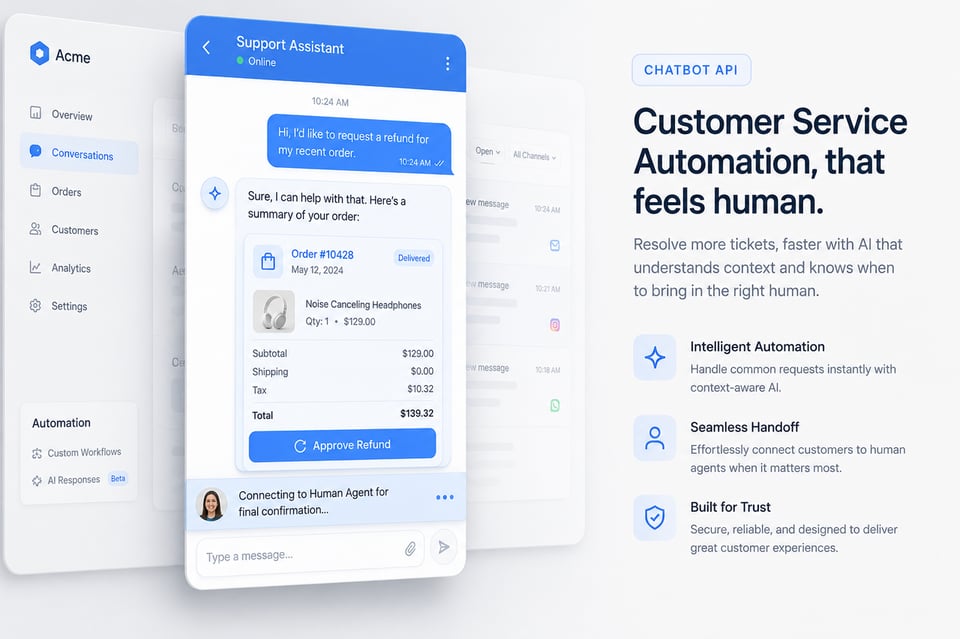
はい。チャットボットAPIは、よくある質問への回答、問題の詳細を収集し、製品機能の説明、アカウントや請求、トラブルシューティングの基本手順の案内など、カスタマーサポート製品をサポートできます。最終的な体験は、製品のロジック、モデルの選択、サポートコンテンツに依存します。
Chat API can be used to build AI assistants, customer support bots, SaaS copilots, writing tools, knowledge assistants, technical help systems, and other conversational product features. It works best when the product needs natural language interaction rather than a fixed form or static search experience.
Yes. Kie.ai provides multiple AI Chat API options, including ChatGPT API, Google Gemini API, and Claude API model families. Available models may change over time, so the latest model list, supported parameters, pricing, and availability should be checked in the related API documentation.
Yes. You can test different Chat API models in Playground before deployment. Some testing can be done with free credits, but not every model or usage scenario is completely free. Actual usage depends on your credit balance, selected model, and current pricing.
Create an account on Kie.ai, log in to your dashboard, and generate your AI Chat API key from the API section. Keep the key secure and use it from your backend environment instead of exposing it in frontend code.
The right LLM API model depends on your product requirements. Some projects may prioritize deeper reasoning, while others may need faster responses, lower cost, stronger instruction following, or multimodal support. Testing several options before deployment can help you choose a more suitable model.
Yes. ChatBot API can support customer service products by answering common questions, collecting issue details, explaining product features, and guiding users through basic account, billing, or troubleshooting steps. The final experience depends on your product logic, model choice, and support content.
Before launching AI Chat API in a live product, review the selected model’s pricing, supported inputs, rate limits, response quality, and documentation. It is also useful to prepare fallback handling, prompt rules, usage monitoring, and clear user-facing boundaries so the chat experience stays stable after deployment.