Seedance 2.5 on KIE is ByteDance’s upgraded AI video model, built for longer, more controllable video generation. It supports up to 30-second videos, multimodal references, precise editing, and improved consistency for more cinematic and production-ready creative workflows.
Wan3.0 is Alibaba’s next-generation all-in-one video generation model built for multimodal creation. It supports text, image, video, audio, and structured references to produce more consistent, realistic, and controllable video content with enhanced storytelling and editing capabilities.
Seedance 2.0 on KIE is a multimodal Al video model by ByteDance, optimized for fast and realistic video generation. It supports high-quality virtual human video creation with strong multi-shot consistency, enabling more lifelike and cinematic outputs across scenes.
GPT Image 2 is OpenAI’s next-gen image model built for stronger photorealism, cleaner image editing, sharper text rendering, and more polished product photography. Designed for more advanced visual workflows, it pushes image generation beyond basic text-to-image output and into higher-quality creative, commercial, and design-ready use cases.
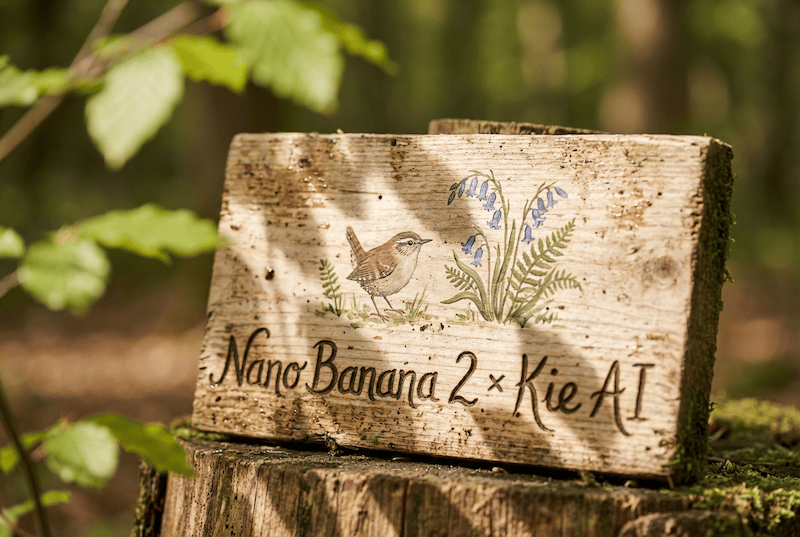
Meet Nano Banana 2, Google’s Gemini 3.1 Flash Image model, now available via Kie AI API. Built for developers, it combines lightning-fast speed with Pro-level quality, accurate text rendering, strong character consistency, and scalable image generation and editing workflows.
Grok 4.6 is xAI’s latest frontier AI model, designed to enhance long-running agents, advanced reasoning, coding intelligence, and interactive AI experiences. Building on Grok 4.5, it delivers improved performance for complex multi-step tasks, knowledge work, software engineering, and creative applications.
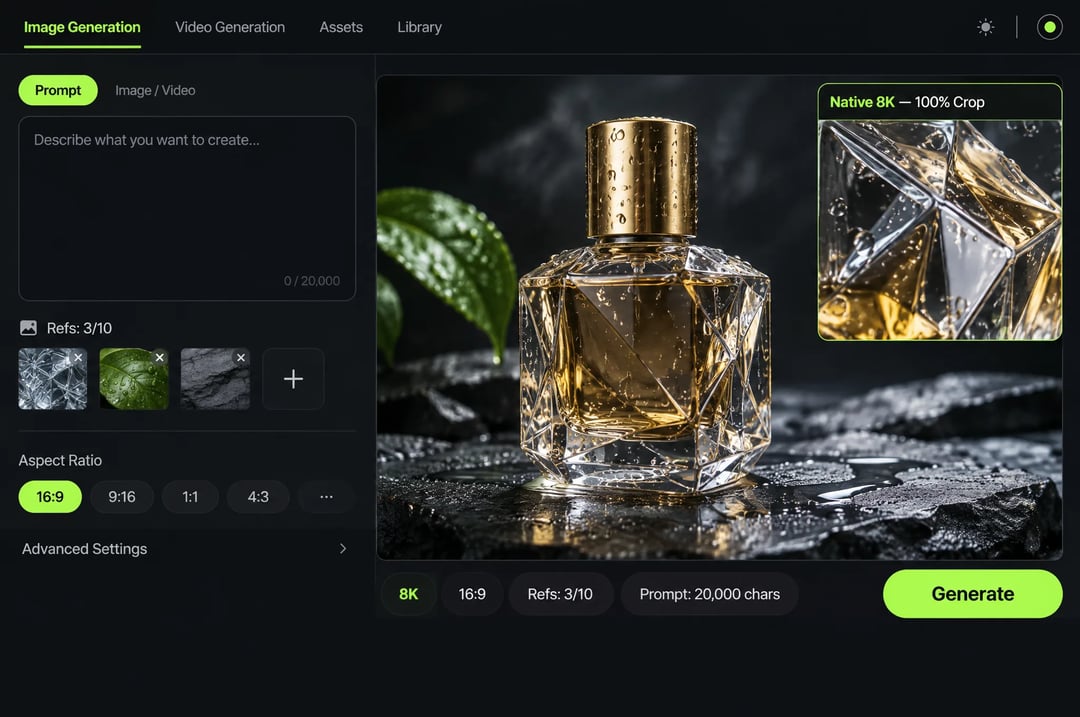
Kling Image 4.0 is Kling AI's image generation model built on a Native Unified Understanding and Generation Architecture, launched on November 17, 2026. On Kie.ai it runs as two endpoints: kling-4-0/image for native 2K, 4K and 8K generation, multi-image or element references and 2-to-10-image series, and kling-4-0/long-image for full e-commerce product detail pages and webpage designs.
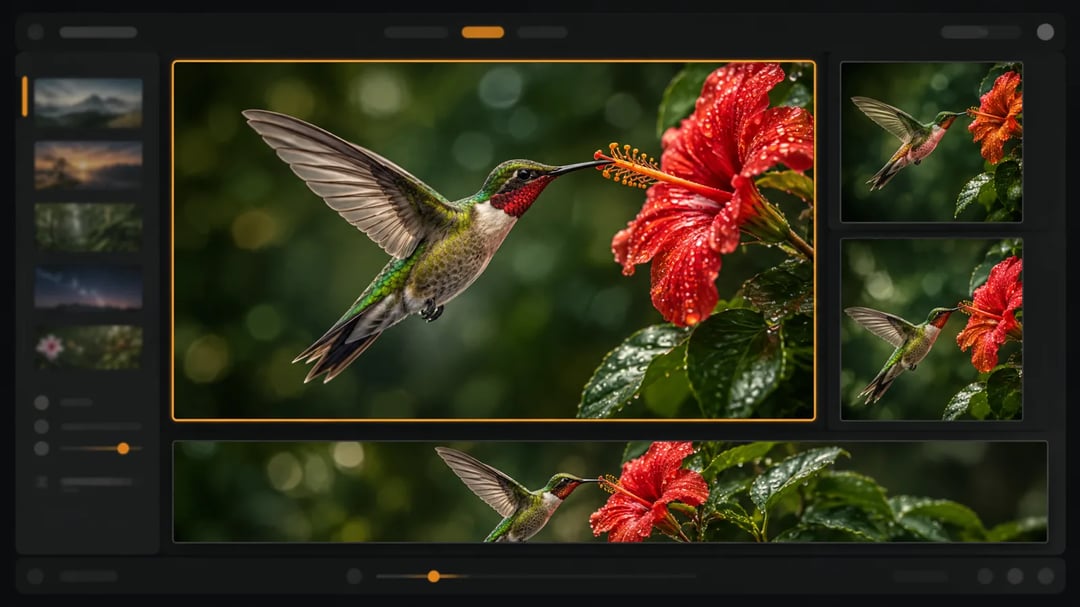
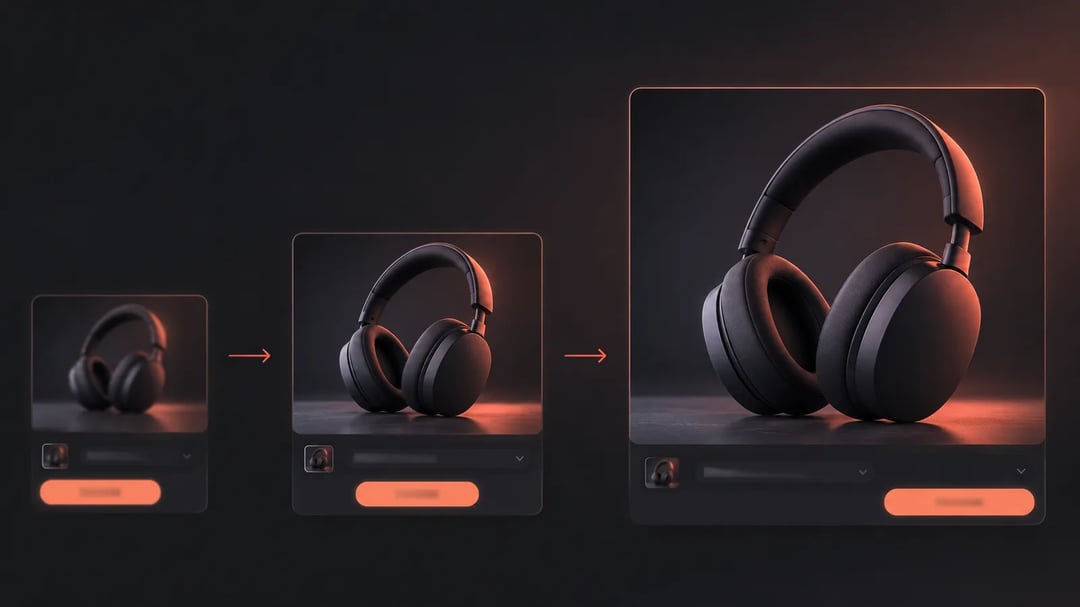
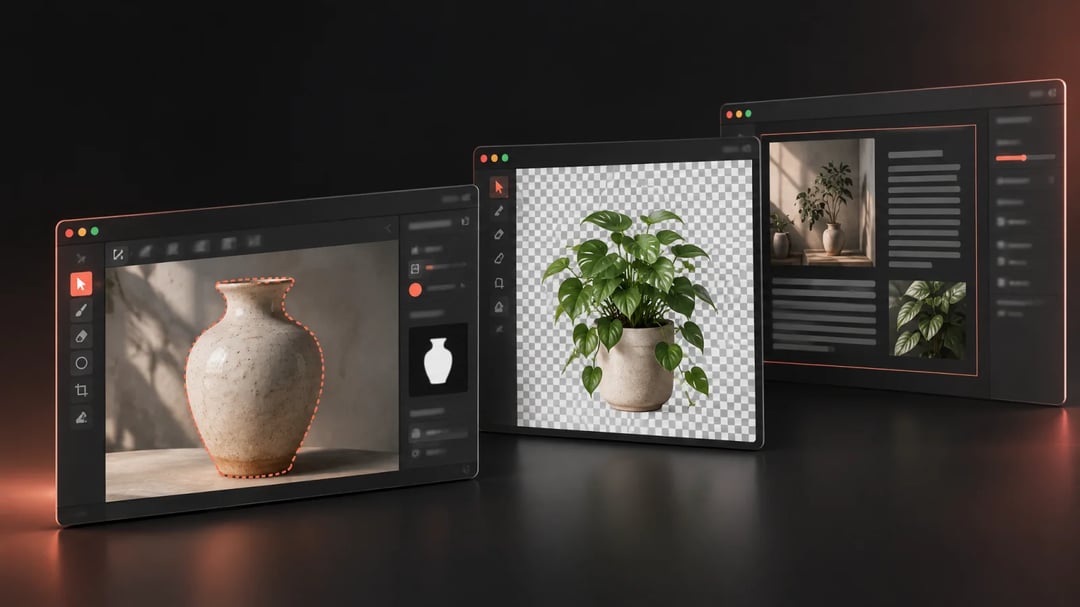
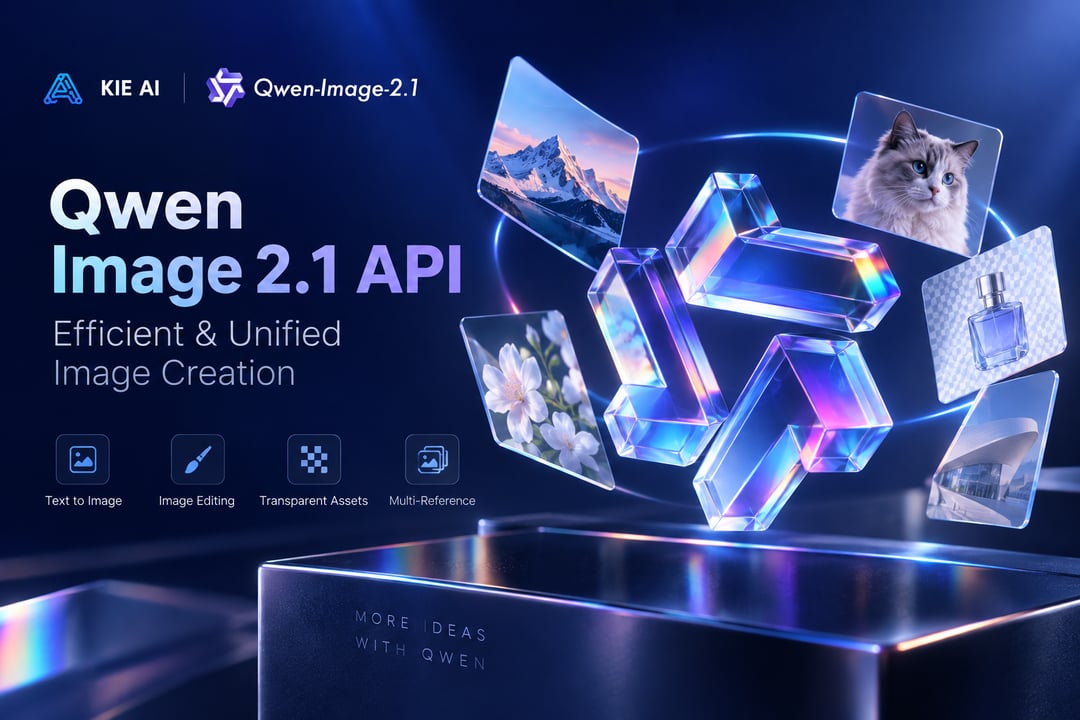
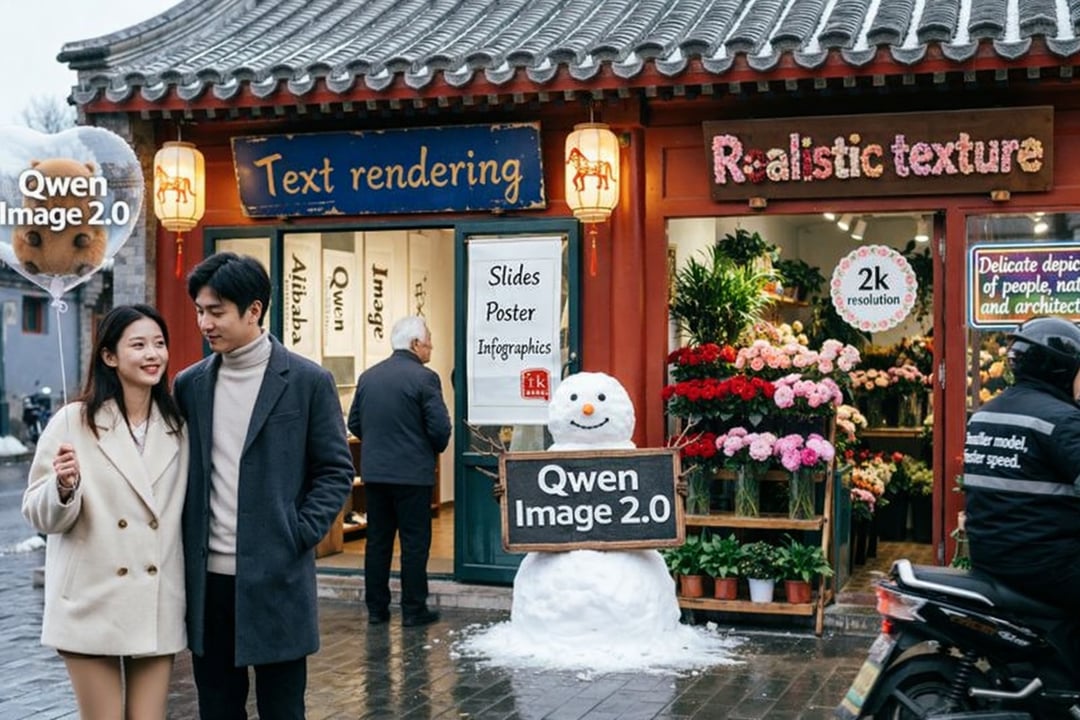
Qwen Image 2.1 is Alibaba’s compact and efficient AI image model for unified image generation and editing. It supports text-to-image creation, native transparent images, multi-reference editing with up to 10 images, local edits, and improved fidelity for people, products, and text.
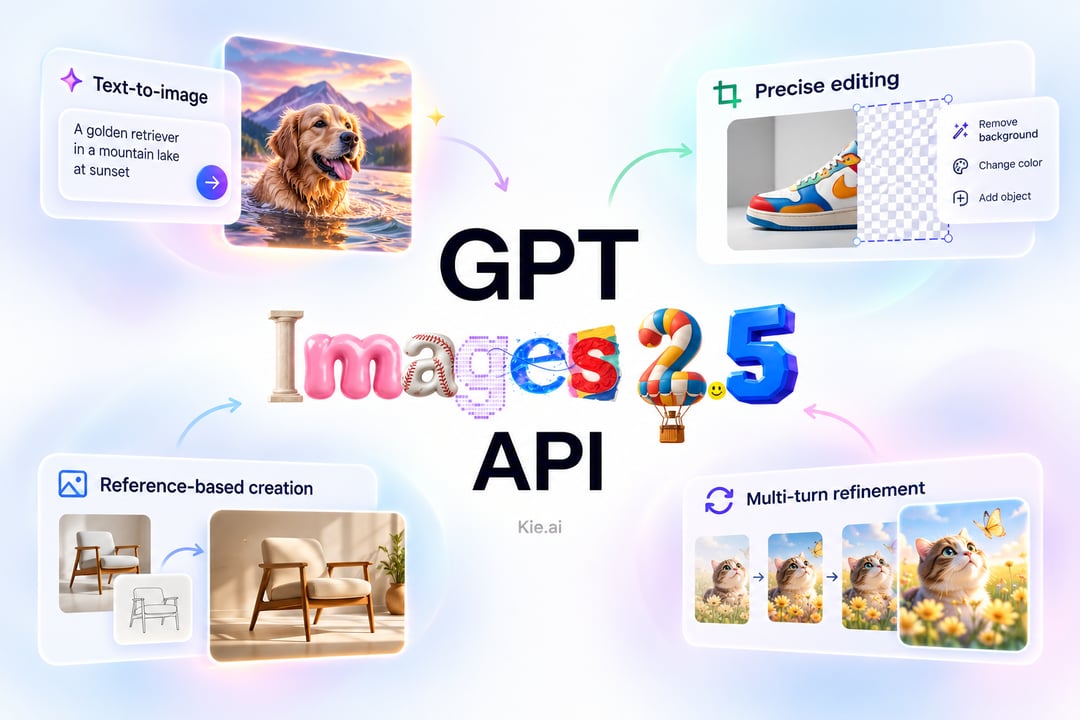
GPT Image 2.5 is an advanced image generation and editing model from OpenAI, designed for sharper visual quality, stronger reference fidelity, and more precise refinement. It delivers more natural lighting and textures, preserves recognizable subjects more consistently, and follows complex visual instructions with improved accuracy across repeated edits.
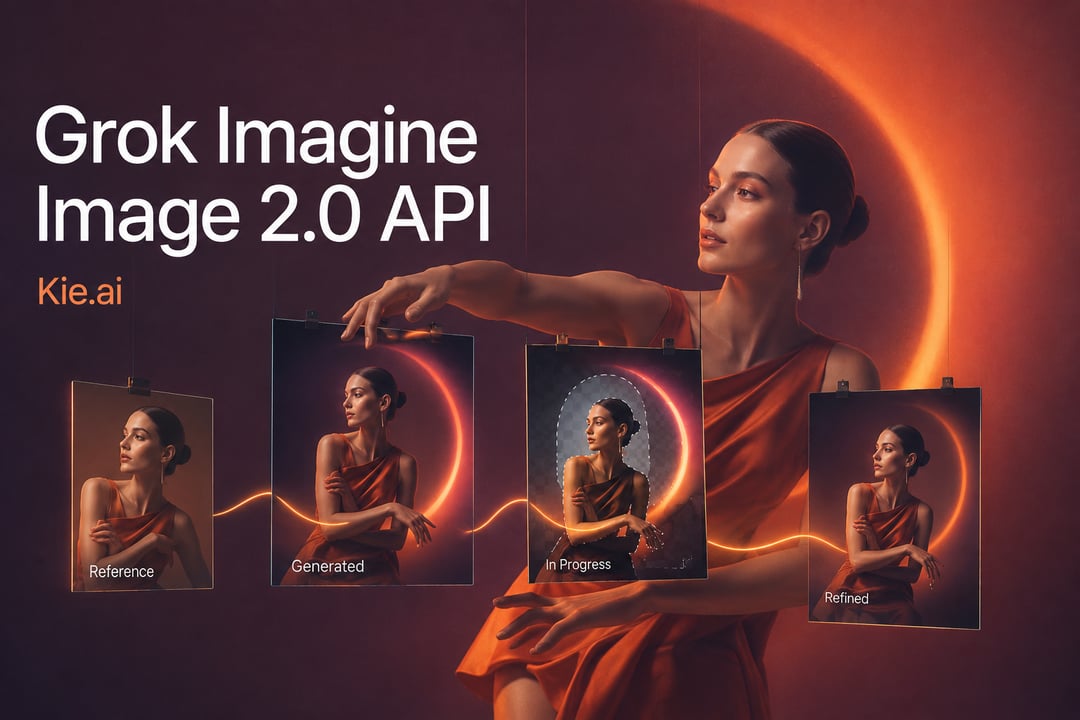
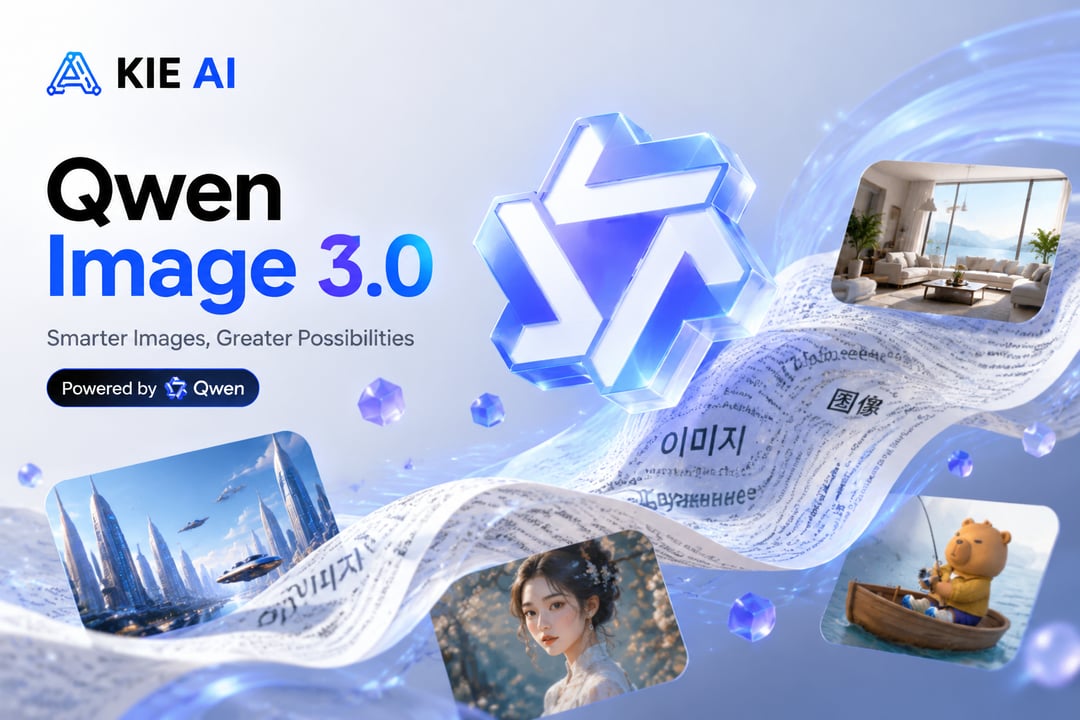
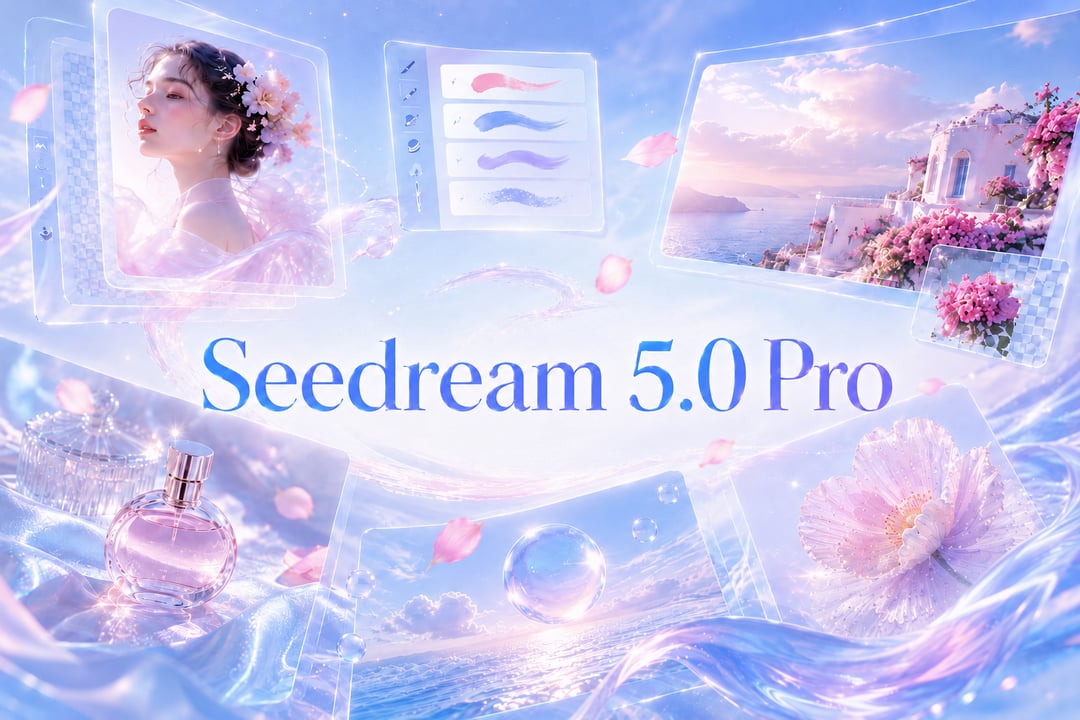

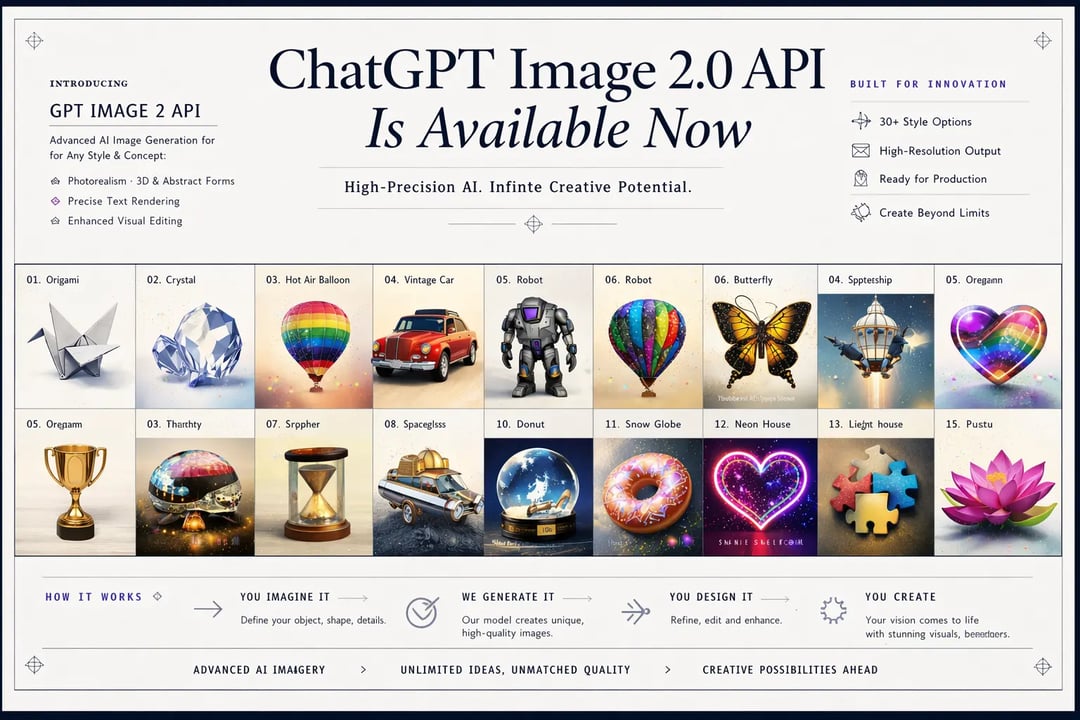
GPT Image 2 is OpenAI’s April 2026 image model built for stronger photorealism, cleaner image editing, sharper text rendering, and more polished product photography. Designed for more advanced visual workflows, it pushes image generation beyond basic text-to-image output and into higher-quality creative, commercial, and design-ready use cases.
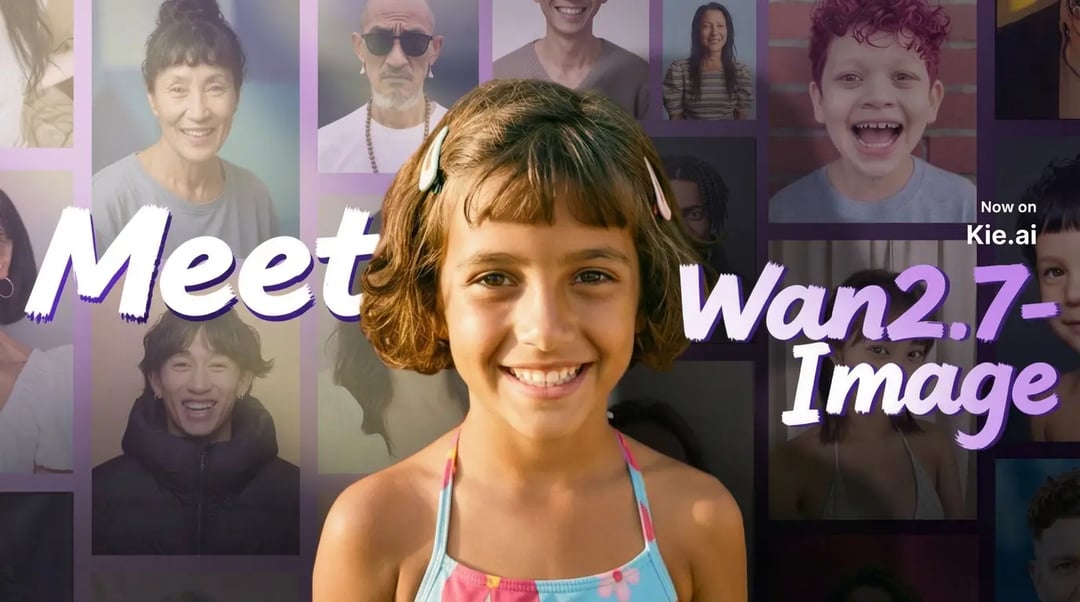
Seedream 5.0 Lite is a unified multimodal image generation model by ByteDance, designed for multimodal reasoning, deep understanding, and controllable visual creation. It supports text-to-image and image editing workflows with improved consistency and stronger world knowledge.
图像到图像API —— 风格转换与图像编辑
基于真实图像而非文字描述构建AI图像功能。通过Kie.ai的图像到图像API,开发者可以测试模型、转换源图像,并将图像编辑、风格转换和图像变体工作流部署至生产环境。
Kie AI图像到图像API的主要特性
多模型图像到图像API —— 灵活的AI图像转换能力
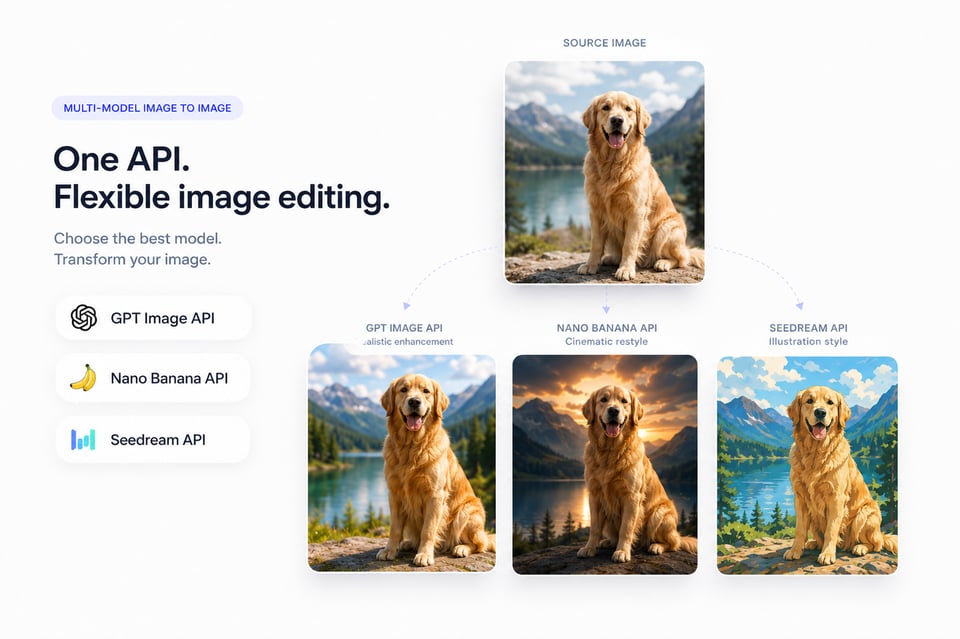
一个强大的图像到图像API应为开发者提供多种模型选择空间,而不是将所有图像编辑流程强制统一为一种输出风格。Kie.ai支持超过30种图像到图像API模型选项,包括GPT图像API、Nano Banana API和Seedream API等热门选择,使团队能够在AI图像转换、提示词图像编辑、照片重风格化和图像变体生成等不同工作流中进行结果对比。这使得AI图像API开发更加灵活,特别适合注重源图像保留、视觉质量、风格多样性、生成速度和成本控制的产品。
用于视觉编辑的图像到图像提示词API
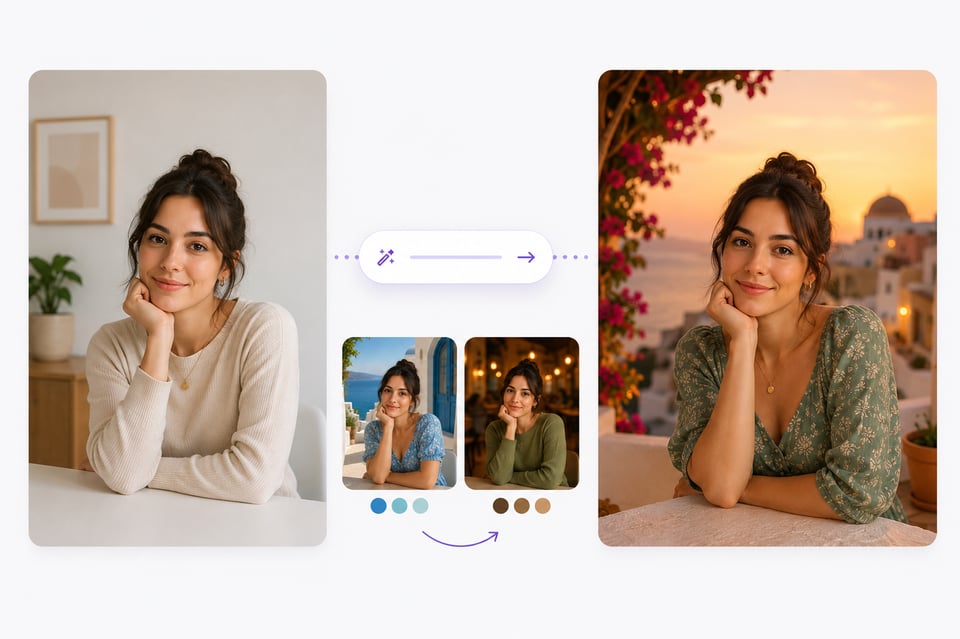
基于提示词的图像到图像API允许用户上传源图像并描述想要的视觉变化。提示词可以引导背景替换、色彩调整、光线修改、物体细节增强、服装更新、场景氛围或创意风格方向,而原始图像仍作为视觉起点。这种方式使AI图像编辑比纯文本生成更可控,也比手动设计更具可扩展性。
30+ 图像到图像API,支持照片重风格化与构图保持
图像到图像API可用于图像风格转换,能够在保留原始构图、主体结构、层次感和关键细节的基础上,将现有图像转换为全新的视觉风格。用户可以将人像、产品图、角色图像或场景参考转换为动漫、油画、电影感、幻想、3D、素描、杂志风或品牌视觉等风格。转换后的图像看起来焕然一新,但依然遵循上传图像的布局与视觉叙事。
如何在Kie.ai上开始图像转图像API对接
注册、登录并生成图像到图像API密钥
创建一个Kie.ai账户并登录控制台以生成您的API密钥。该密钥将您的应用程序连接至Kie.ai的图像模型API,使您的产品能够通过API发送源图像、提示词和转换请求。
选择模型并在Playground中免费测试图像到图像API
选择最符合您图像转图像处理流程的图像模型,然后在Kie.ai Playground中进行测试后再部署。您可以尝试如GPT图像API、Nano Banana API、Seedream API等热门选项,上传源图像、输入图像转换描述,并基于编辑精度、图像质量、风格控制、原图保留、速度及成本适配性等方面对比结果。
将选定的图像模型API集成到您的产品中
确认合适的模型后,将该图像模型API集成到您的应用、SaaS平台、创意工具、电商平台或内部工作流中。您的产品可通过AI图像API提交上传的图像和提示语,接收生成的图像结果,并在用户体验内直接实现图像编辑、风格重绘、风格迁移或图像变体等功能。
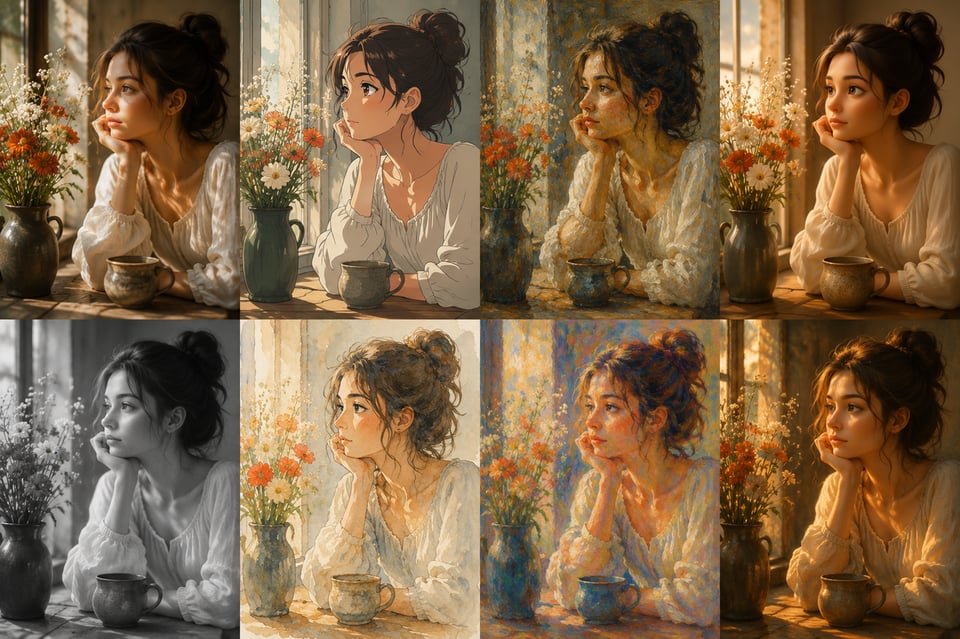
Consistent Image Variation from One Image To Image API Input
Image variation becomes more useful when the output keeps the right elements stable. With an Image To Image API, a single input image can be used to generate multiple versions while maintaining key references such as character identity, product structure, pose, layout, or brand direction. Developers can support controlled variation for campaign assets, product previews, character design, avatar systems, and creative testing without producing disconnected or random-looking results.
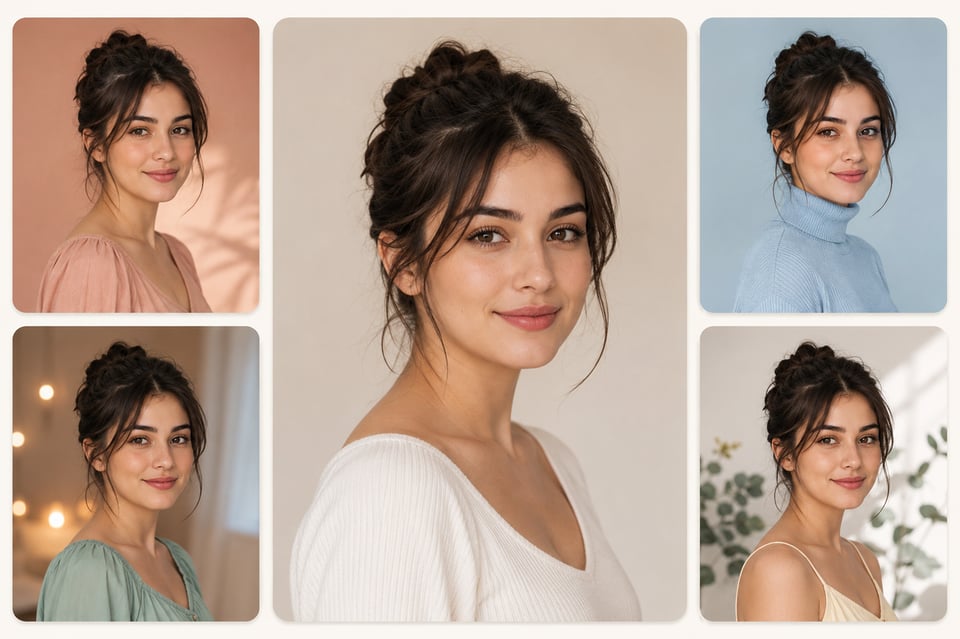
Image To Image API 的神奇功能:从简单编辑到视觉蜕变
图像风格迁移(Style Transfer)
背景替换(Background Replacement)
物体移除与图像净化
比较 GPT Image、Nano Banana 和 Seedream 的图像生成 API
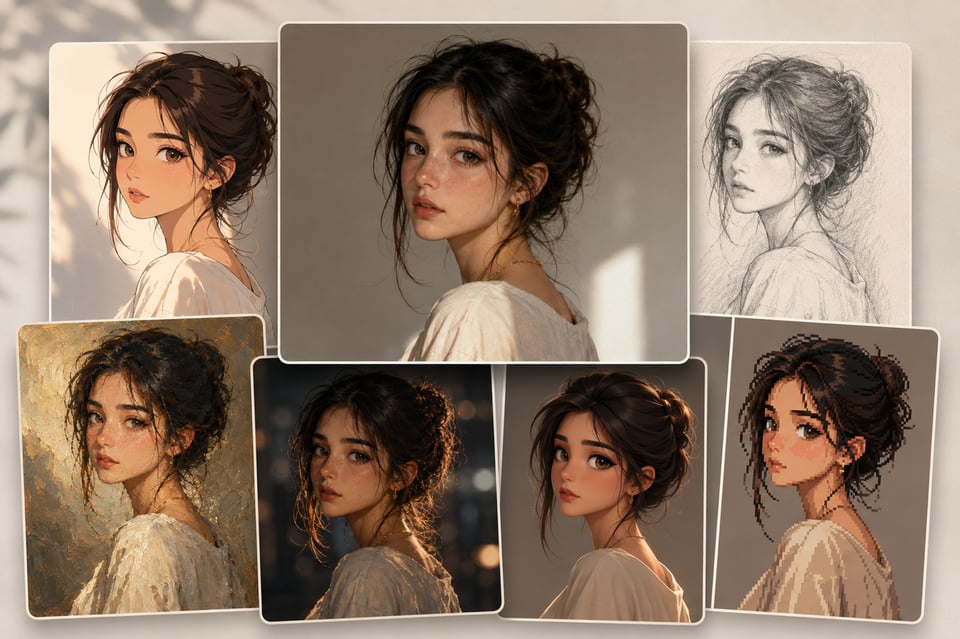
Image Style Transfer
Turn an existing image into a completely new visual style without losing the original idea. Image To Image API workflows can transform portraits, products, landscapes, or character images into anime, sketch, oil painting, cinematic, fantasy, 3D, pixel art, and other creative looks while keeping the main subject and structure recognizable.
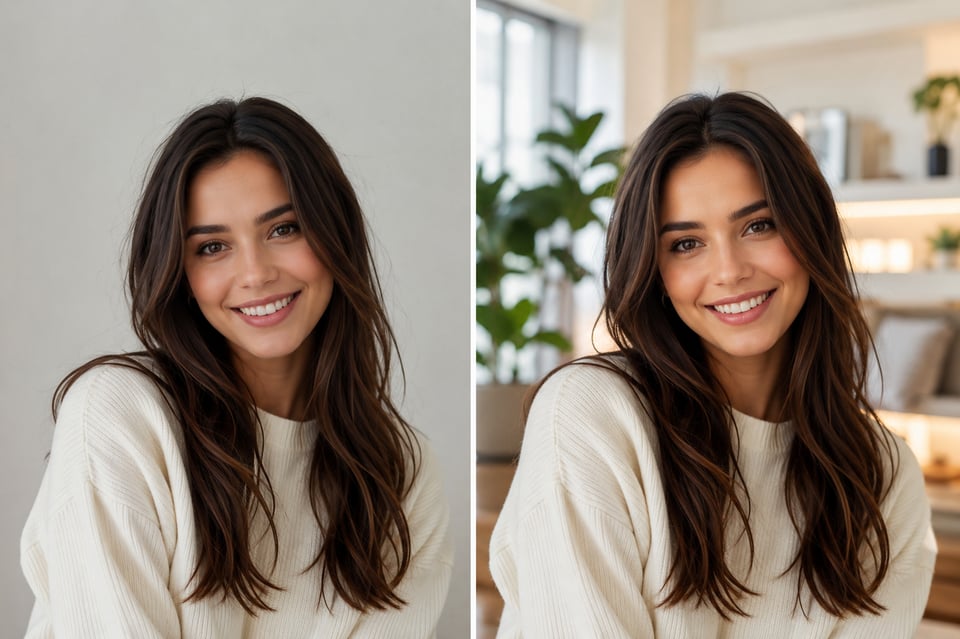
Background Replacement
Replace dull or distracting backgrounds with scenes that better match the final use case. A portrait can be placed in a studio, a product can move into a lifestyle setting, and a simple image can be rebuilt inside a more polished visual environment. This makes background editing one of the most practical Image To Image API applications for creative tools and commercial workflows.
Object Removal and Image Cleanup
Remove unwanted elements such as clutter, distracting objects, watermarks, or imperfections while keeping the overall image natural. Instead of just erasing parts of a photo, Image To Image API can regenerate surrounding areas so the final result feels cleaner, more complete, and visually consistent.
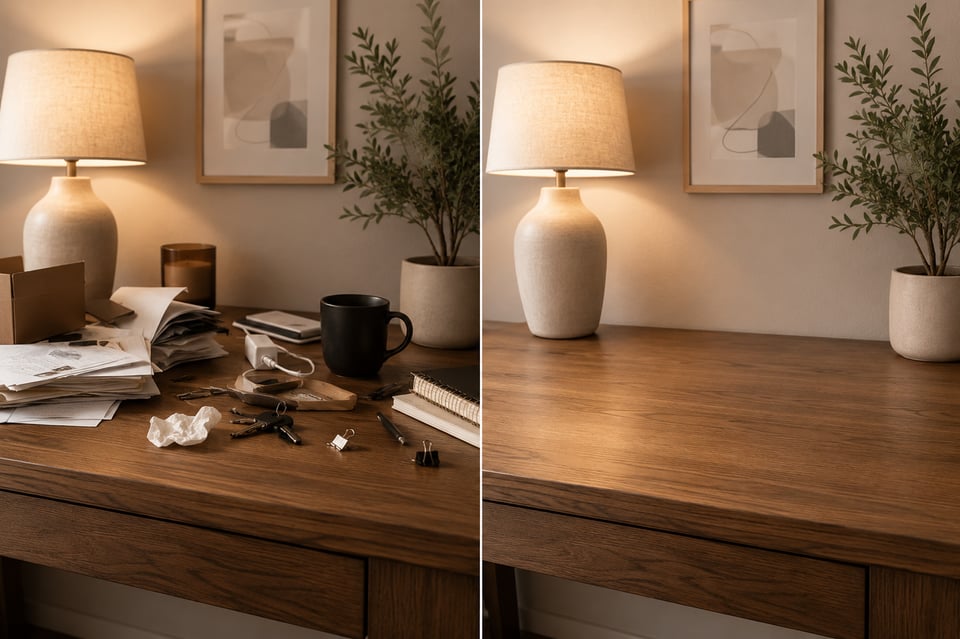
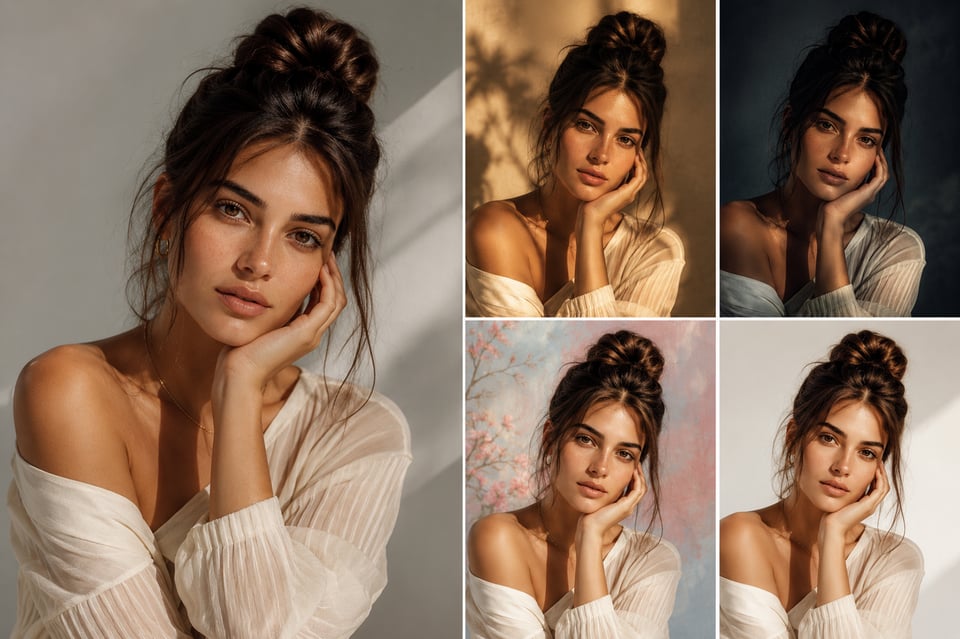
Photo Restyling
Restyle an uploaded image while preserving its original composition, subject structure, and key visual details. A photo can be reimagined with a different mood, color treatment, artistic direction, or branded aesthetic, making photo restyling a strong fit for apps that want to offer more than basic filters.
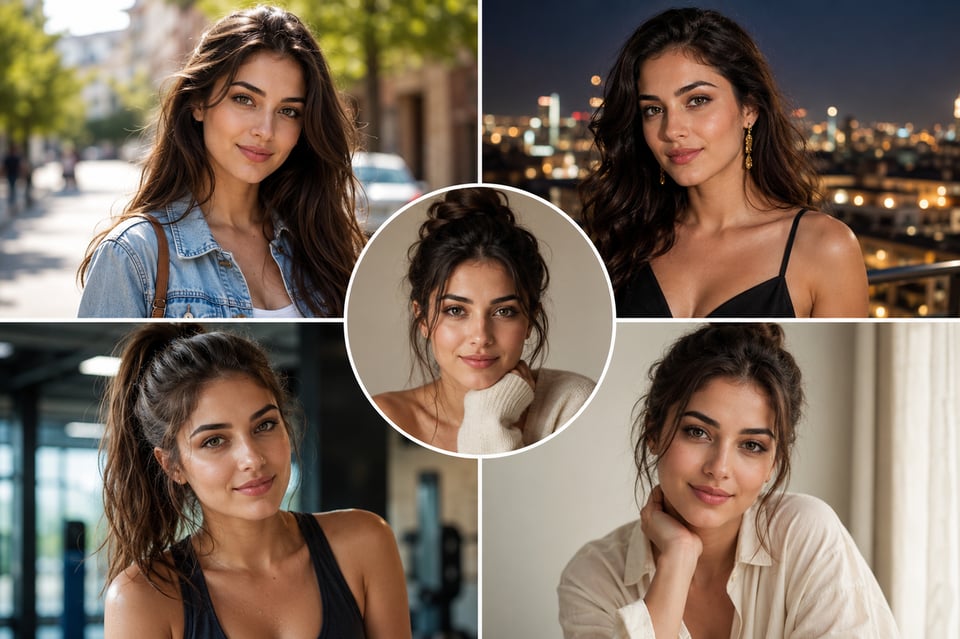
Consistent Character and Face Variations
Generate multiple variations from one source image while keeping the same face, character identity, or core layout intact. Users can explore different outfits, hairstyles, lighting, moods, or scene styles without losing continuity, which is especially useful for avatar tools, character design workflows, and visual series creation.
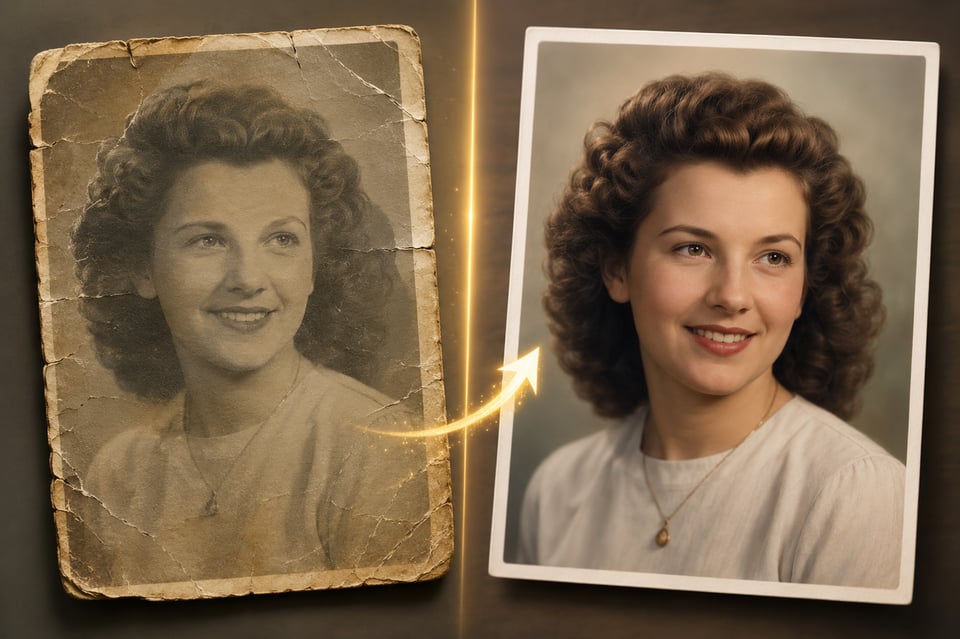
Old Photo Restoration and Enhancement
Bring faded, damaged, or low-quality images back to life through restoration and enhancement. Image To Image API can help repair scratches, improve clarity, restore missing detail, and refresh overall image quality while still respecting the original people, objects, and visual character of the photo.
为什么选择Kie.ai来构建图像到图像API?
| Dimension | GPT Image | Nano Banana | Seedream |
|---|---|---|---|
| Model Provider | OpenAI | Google DeepMind | ByteDance |
| Representative Models | GPT Image 1.5, GPT Image 2 | Nano Banana, Nano Banana Pro, Nano Banana 2 | Seedream 4.5, Seedream 5.0 Lite |
| Input Type | Supports text prompts, image inputs, and multi-image inputs for image generation and editing. | Supports text prompts, image inputs, and multi-image inputs for image generation and editing. | Supports text prompts, image inputs, and multi-image inputs for image generation and editing. |
| Output Quality | GPT Image 2 supports 1K, 2K, and 4K image output options. | Nano Banana Pro and Nano Banana 2 support 1K, 2K, and 4K image output options. | Seedream 4.5 supports 2K and 4K image output options, while Seedream 5.0 Lite supports 2K and 3K image output options. |
| Generation Speed | Generally fast for image generation and editing, but actual generation time depends on the selected model, output size, image quality setting, and prompt complexity. | Generally fast for creative iteration and image editing, but actual generation time depends on the selected model, output resolution, input type, and task complexity. | Generally fast for image generation and reference-based editing, but actual generation time depends on the selected model, output size, number of reference images, and task complexity. |
| Core Strength | Balanced image generation and prompt-based editing with strong instruction following. | Fast creative generation, multi-image fusion, and conversational image editing. | Reference-consistent image editing, commercial visuals, character consistency, and professional image quality. |
| Best For | General image generation, prompt-based image editing, product scenes, social graphics, and developer image workflows. | Fast variants, multi-image fusion, posters, social media visuals, and design-style content. | Product visuals, character consistency, reference-based editing, typography, and professional creative production. |
Why Build Image To Image API with Kie.ai
Better Value with Affordable Image To Image API Pricing
Kie.ai provides Affordable Image To Image API Pricing for developers who want to test, launch, and scale image transformation features without overspending. Whether the workflow involves image style transfer, background replacement, photo restyling, image cleanup, or visual variation, teams can control API costs more easily while still choosing the model that fits the output goal.
Complete Image To Image API Documentation
Kie.ai offers complete Image To Image API documentation to help developers move from testing to deployment with less friction. The docs cover the key parts of API integration, including authentication, model selection, request setup, image input, prompt usage, response handling, and deployment guidance, making it easier to connect Image To Image API workflows to real products.
24/7 Image To Image API Service
Kie.ai supports 24/7 Image To Image API service for teams that need stable access to image transformation capabilities. Developers can build user-facing image editors, creative tools, e-commerce workflows, and internal automation systems with API availability that supports continuous testing, generation, and production use.
Multiple Advanced 30+ Image To Image API Models
Kie.ai provides access to multiple advanced Image To Image API models, including popular options such as GPT Image API, Nano Banana API, and Seedream API. Instead of relying on one fixed model, developers can choose the right option for prompt-based editing, photo restyling, image style transfer, source image preservation, or creative visual transformation.