
画像と音声を活用した動画API:静止画のポートレートをアニメーション化するワークフロー
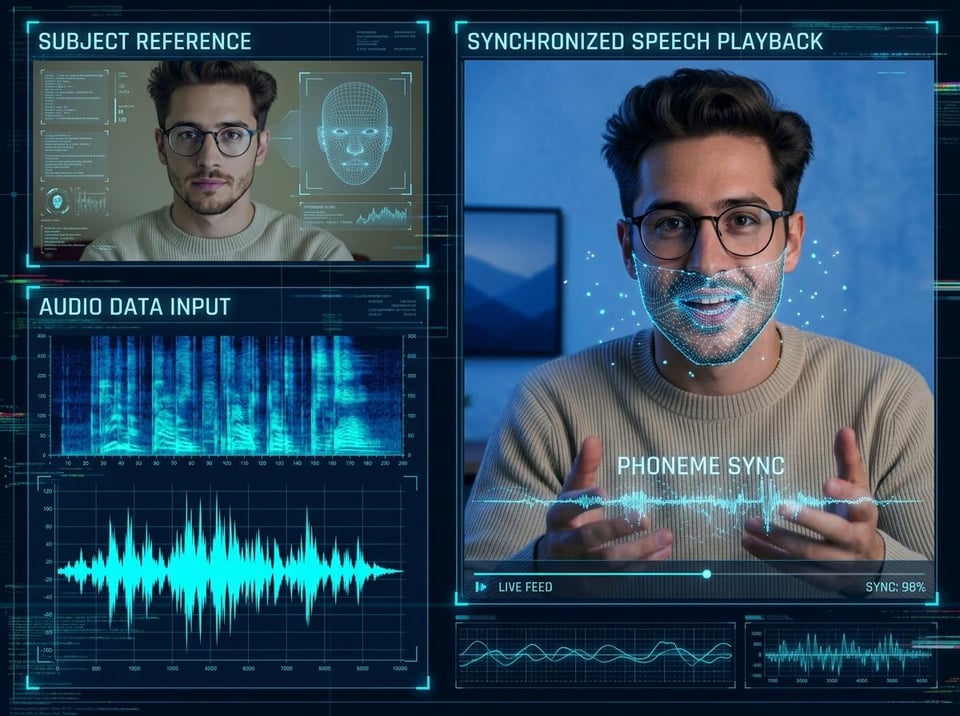
音声から動画へのAPIは、ターゲットの音声ファイルまたはテキストスクリプトを使用して、単一のポートレートまたはキャラクターをアニメーション化します。画像と音声データをエンドポイントに渡すことで、動画制作の手間をかけずに口の動きと自然な表情を同期的に生成します。
Seedance 2.5 on KIE is ByteDance’s upgraded AI video model, built for longer, more controllable video generation. It supports up to 30-second videos, multimodal references, precise editing, and improved consistency for more cinematic and production-ready creative workflows.
Wan3.0 is Alibaba’s next-generation all-in-one video generation model built for multimodal creation. It supports text, image, video, audio, and structured references to produce more consistent, realistic, and controllable video content with enhanced storytelling and editing capabilities.
Seedream 5.5 is ByteDance Seed's image creation model, released on November 9, 2026. It keeps unedited regions intact across up to 100 rounds of editing, generates images with transparent backgrounds natively, and renders more realistic textures and dense small text.
OpenAI introduces GPT-6.2 Astra as its frontier model for the hardest projects, released on November 17, 2026. It accepts text and image inputs across a 1,050,000-token context window (up to 922,000 input tokens and 128,000 output tokens) and delivers cleaner code, better frontends and 3D models, and better results on demanding tasks with fewer output tokens. On Kie.ai it currently supports chat requests only.
Claude Opus 5.5 is Anthropic's first model in the Claude 5.5 family, delivering frontier-level performance in agentic coding, computer use, and knowledge work. With faster output, clearer communication, and significantly improved computational efficiency, it brings advanced intelligence to demanding, multi-step tasks.
LTX 2.5 is Lightricks' open-source video and audio model family, hosted on Kie.ai across five endpoints in two tiers: LTX 2.5 Fast (text-to-video, image-to-video and audio-to-video) and LTX 2.5 Pro (text-to-video and image-to-video). Text-to-video and image-to-video generate MP4 video with synchronized stereo dialogue, Foley and ambient sound in one pass. Choose Fast for clips up to 20 seconds, 1440p output capped at 10 seconds, or audio-to-video lip sync. Choose Pro for a detail-enhancement pass that delivers sharper faces, textures and short on-screen text in clips up to 10 seconds.
Wan 2.2 A14B Turbo API Speech to Video, this revolutionary AI model turns static images and audio clips into dynamic, expressive videos, perfect for creators, marketers, and educators. Available now on Kie.ai, experience seamless integration and unparalleled quality in video generation.
音声駆動型動画生成やリップシンクパイプラインをソフトウェアアーキテクチャに統合できます。静止画のポートレートや既存の動画素材を標準化されたメディアエンドポイントで処理する統一インターフェースにアクセスできます。
音声から動画へのAPIは、ターゲットの音声ファイルまたはテキストスクリプトを使用して、単一のポートレートまたはキャラクターをアニメーション化します。画像と音声データをエンドポイントに渡すことで、動画制作の手間をかけずに口の動きと自然な表情を同期的に生成します。
動画から動画へのAPIは、バウンディングボックスを用いて管理されるリップシンクパイプラインを提供します。事前に録画された動画と新しい音声トラックを受け取り、背景環境や光源ベクトルを固定ピクセルとして扱い、更新された音声のタイミングに合わせてリップシンクを調整し、顔のタイミングによるチラつきを防ぎます。
Talking Avatar API は、入力音声トラックからピッチの変化とトーンの変化を解析し、自然な顔の動きを制御します。従来のリップシンクの手法に頼らないことで、音声のリズム変化をもとに上半身や顔の自然な動きを生成します。このパイプラインは、自然な首の動き、瞬きの頻度、微細な表情変化などの補助アニメーションをプロシージャルに調整し、音声の内容に合った表現を実現します。
このAPIは、入力音声、背景音、または音楽トラックを構造的な基準として使用し、視覚的な進行やシーン遷移の頻度を調整します。パイプラインは生成される視覚的ダイナミクスを音声の包絡線に直接マッピングし、リズムに合わせた動画クリップの自動生成を可能にしながら、キャラクターの一貫性を維持します。
The Seedance 2.0 API uses input audio or music tracks as a structural baseline to coordinate visual pacing, camera trajectories, and clip editing rhythm. By mapping physical motion boundaries and scene transitions directly to the underlying beat and sound envelope, the model ensures that action dynamics align naturally with the audio's tempo and mood. This unified multi-modal architecture allows developers to generate rhythmic visual sequences for music videos, programmatic advertising, and time-sensitive media clips, while maintaining precise character and environment consistency across sequential frame generations.
開発者ダッシュボード内でAPIキーを生成し、リクエストを認証します。この1つのキーが、すべての音声から動画変換モデルでのセキュアな認証に使用されます。
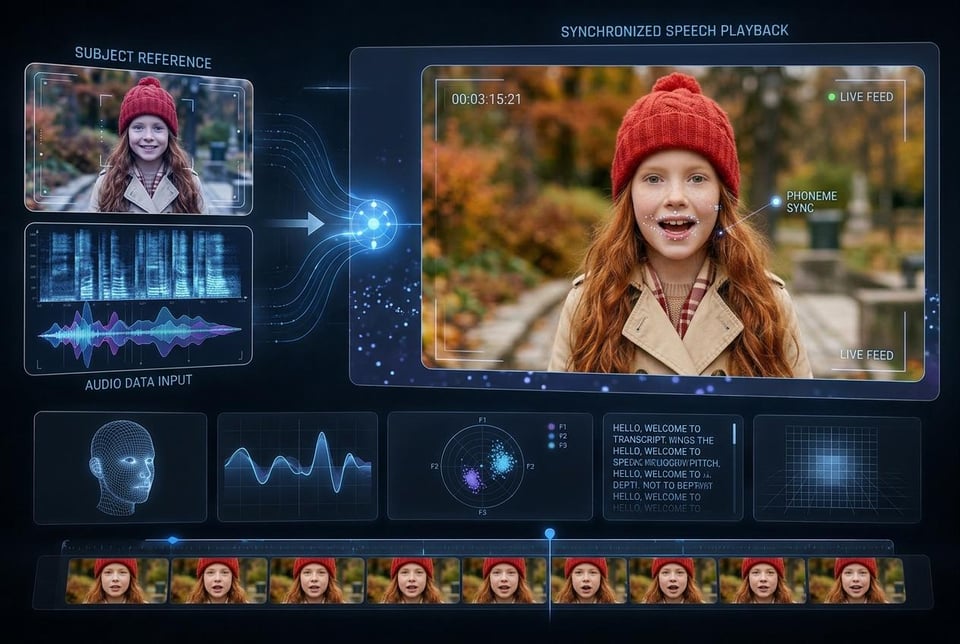
Webプレイグラウンドを使用して、バックエンドコードを書く前にさまざまなモデルをテストできます。ソース画像や動画をアップロードし、音声を追加して、品質、速度、料金を異なるエンジンで比較できます。
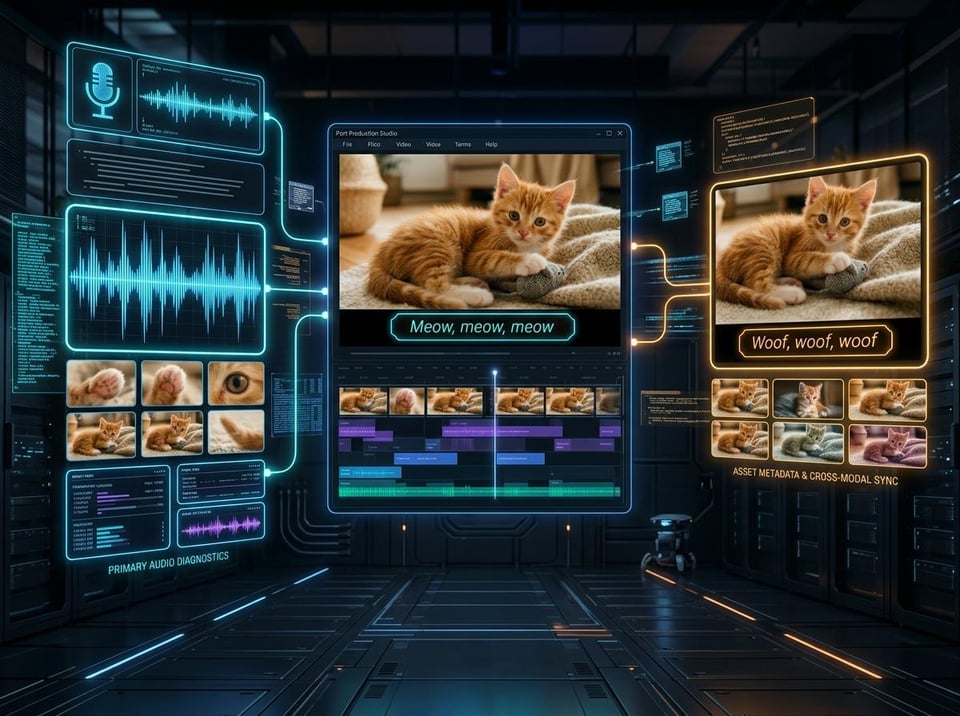
ステップ4:リクエストデータの設定 – JSON形式でソースアセットを定義
選択したAPIエンドポイントにリクエストを送信してください。動画生成には時間がかかるため、APIは即時に固有のタスクIDを返却し、システムがバックグラウンドでの動画作成進捗を追跡できるようにします。
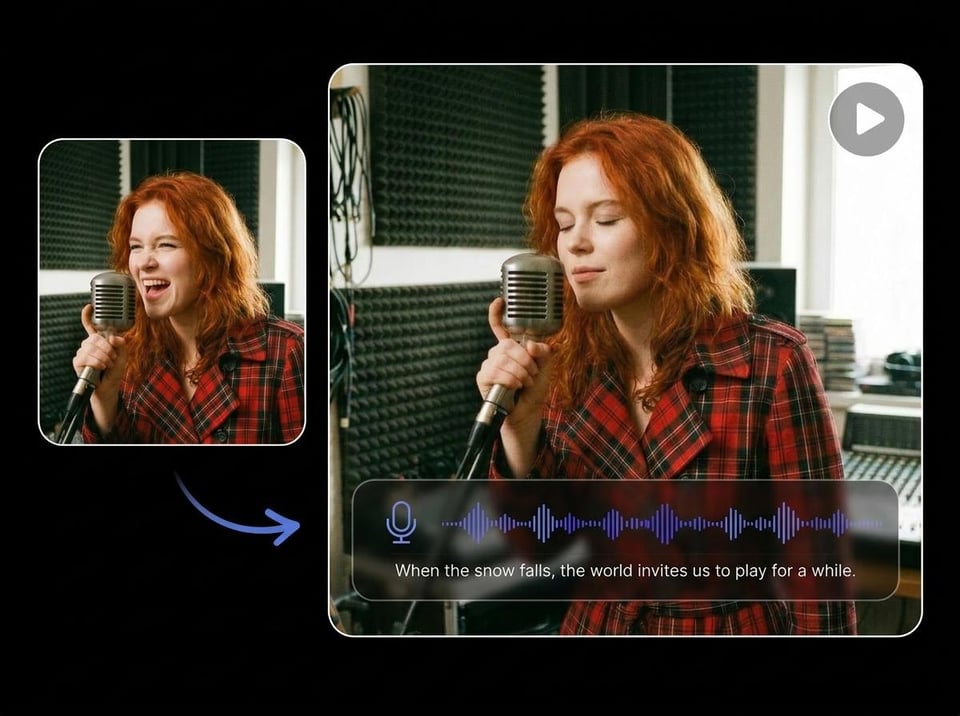
マーケティングSaaSプラットフォームや広告代理店は、APIを使用して複数の動画撮影をせずにグローバル広告バリエーションをスケールアップできます。マスタービデオアセットとローカライズされたまたはパーソナライズされた音声トラックを組み合わせることで、システムはスピーカーの口の動きをリアルタイムで再現します。このプログラムによるパイプラインにより、ブランドは地域キャンペーン向けに音声とリップシンクが正確に一致する数千のカスタマイズされた動画広告バリエントを作成できます。
ゲーム開発スタジオおよびアニメ制作会社は、APIをアセットパイプラインに統合し、NPCや映像シーンのリップシンクを自動化する。フレームごとの顎の座標や表情の手動アニメーションではなく、音声ファイルや台詞スクリプトを使って顔の動きを自動的に制御する。この統合により、後期制作の工数を削減し、ローカライズされたバージョン間で多言語のキャラクターの口の正確性を保証できる。
コンテンツ制作ツールおよびソーシャルメディア管理アプリケーションはAPIを活用し、デジタルインフルエンサーとブランドチャネルの動画制作を自動化する。静的なキャラクターグラフィックやポートレート写真と音声脚本を組み合わせて、システムはテキストまたは音声データから高品質なスピーキングクリップを直接生成する。このワークフローにより、クリエイティブチームは手動での動画編集なしに、ソーシャルメディア用の動画アセット、ニュース解説、ナラティブショート動画を継続的に制作できる。
教育技術プラットフォームや企業の人事部門向けポータルでは、音声から動画へのワークフローを統合し、テキスト脚本やポートレート画像から直接教育メディアを生成しています。スタジオの利用やプレゼンターの雇用、後処理の管理といったコストを抑えながら、チームは講義音声や音声アセットを入力するだけで一貫した仮想講師を生成できます。APIは表情、姿勢の変化、顔の動きを自動的に調整し、プラットフォームが静的ビジュアル資産から完全な教育動画ライブラリをスケールアップできるようにします。
Maintain workflow stability using round-the-clock technical coverage. Engineering teams can utilize established communication channels to resolve integration bottlenecks, troubleshoot webhooks, and verify task statuses.
Deploy updated versions of open and proprietary models as additions are made to the platform. Regular catalog updates ensure engineering teams can access newly released Speech To Video API and tracking frameworks.
はい。開発者はKie.ai上でプラットフォームクレジットを使用して、音声から動画モデルを事前にテストすることが可能です。この評価フェーズでは、技術チームがサンドボックス環境内で動画生成の品質、入力要件、処理動作、出力スタイルを直接確認することが可能です。
一般的なワークフローでは、顔を含むビジュアル入力と、それに一致する音声ファイルが必要です。選択したモデルアーキテクチャによって、ビジュアル入力は静止画のポートレート写真、アバター画像、または事前に録画された顔の動画が使用でき、音声入力は録音されたナレーションやAI生成の音声パスを受け取ります。
音声から動画 API は、アニメやフィクションキャラクターを扱えますか?
音声から動画 API の適切なモデルを選ぶにはどうすればよいでしょうか?
Yes. Developers can test available speech to video models on Kie.ai using platform credits before full backend integration. This evaluation phase allows technical teams to review video generation quality, input requirements, processing behavior, and output style directly within the sandbox environment.
A typical workflow requires a face-based visual input and a matching speech audio file. Depending on the chosen model architecture, the visual input can be a static portrait photo, avatar graphic, or pre-recorded face video, while the audio input accepts recorded narration or AI-generated voice paths.
Yes. The speech to video endpoints are designed to generate talking avatar videos where a digital presenter, virtual spokesperson, or character speaks in perfect synchronization with an audio track. This functionality is widely deployed in product explainers, e-learning platforms, and customer support interfaces.
Yes. Many of the integrated foundational models are trained on diverse datasets that extend beyond human portraits.API can animate illustration files, 3D character renders, and stylized avatars, provided the facial landmarks are recognizable by the model's tracking framework.
Model selection depends on your specific input format, target resolution, and visual output constraints. Digital presenter clips, cinematic character animations, automated social media video feeds, and localized dubbing pipelines each map to different specialized engine behaviors across the platform marketplace.
Yes. The speech to video infrastructure runs on an asynchronous, scalable architecture built to integrate natively into video editing software, creator platforms, marketing SaaS, and AI media tools. For enterprise deployment, teams can benchmark request structures, webhook reliability, and processing speeds before scaling output volume.