
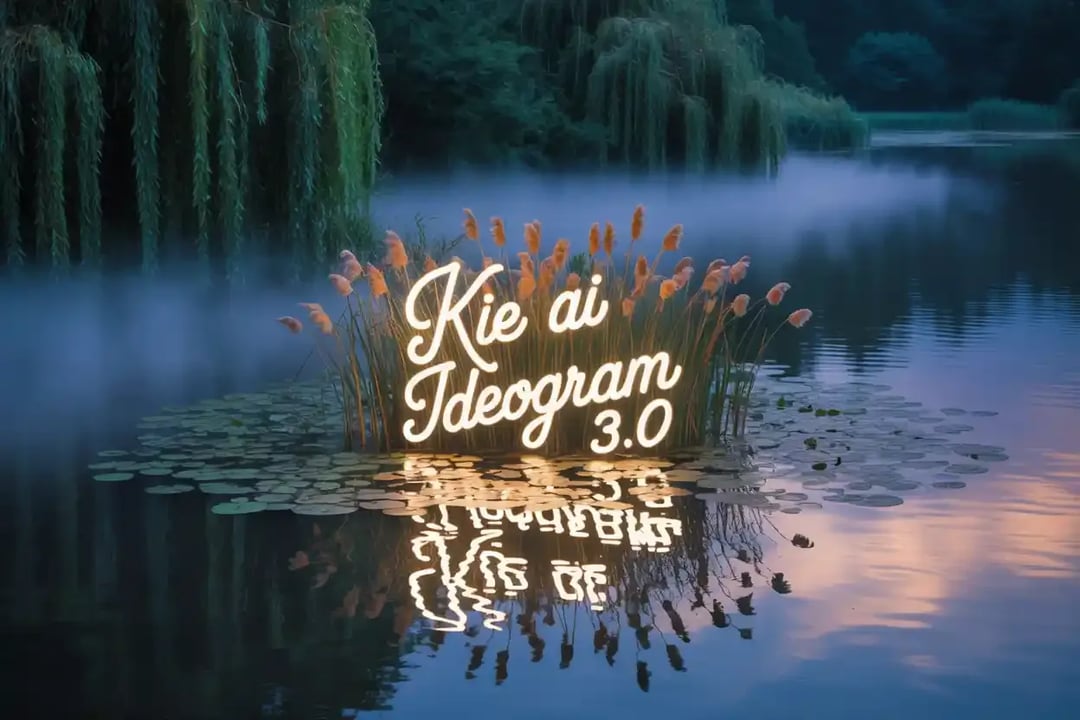
Tipografi dalam gambar yang bersih adalah salah satu kekuatan utama API Ideogram V3. API ini mampu menghasilkan kata singkat, slogan, judul poster, label produk, teks seperti lencana (badge-style text), huruf seperti logo, serta tata letak multi-baris dengan keterbacaan yang lebih baik. Dalam alur kerja API teks ke gambar Ideogram, fitur ini memungkinkan teks menjadi bagian dari komposisi visual itu sendiri, bukan hanya ditambahkan secara manual setelah pembuatan.

Image to VideoText to VideoVideo to Video
Seedance2.5
Seedance 2.5 on KIE is ByteDance’s upgraded AI video model, built for longer, more controllable video generation. It supports up to 30-second videos, multimodal references, precise editing, and improved consistency for more cinematic and production-ready creative workflows.
Text to Video
Wan 3.0
Wan3.0 is Alibaba’s next-generation all-in-one video generation model built for multimodal creation. It supports text, image, video, audio, and structured references to produce more consistent, realistic, and controllable video content with enhanced storytelling and editing capabilities.
Image to VideoText to VideoVideo to Video
Seedance 2
Seedance 2.0 on KIE is a multimodal Al video model by ByteDance, optimized for fast and realistic video generation. It supports high-quality virtual human video creation with strong multi-shot consistency, enabling more lifelike and cinematic outputs across scenes.
Text to ImageImage to Image
GPT Image 2
GPT Image 2 is OpenAI’s next-gen image model built for stronger photorealism, cleaner image editing, sharper text rendering, and more polished product photography. Designed for more advanced visual workflows, it pushes image generation beyond basic text-to-image output and into higher-quality creative, commercial, and design-ready use cases.
Text to ImageImage to Image
Nano Banana 2
Meet Nano Banana 2, Google’s Gemini 3.1 Flash Image model, now available via Kie AI API. Built for developers, it combines lightning-fast speed with Pro-level quality, accurate text rendering, strong character consistency, and scalable image generation and editing workflows.
Chat
Grok 4.6
Grok 4.6 is xAI’s latest frontier AI model, designed to enhance long-running agents, advanced reasoning, coding intelligence, and interactive AI experiences. Building on Grok 4.5, it delivers improved performance for complex multi-step tasks, knowledge work, software engineering, and creative applications.
Semua Model
2 model ditemukan2 MODELS
Penyedia Model(1/25)
Kategori(15)
Ideogram
Ideogram Character
Image to Image
Ideogram
Ideogram Character
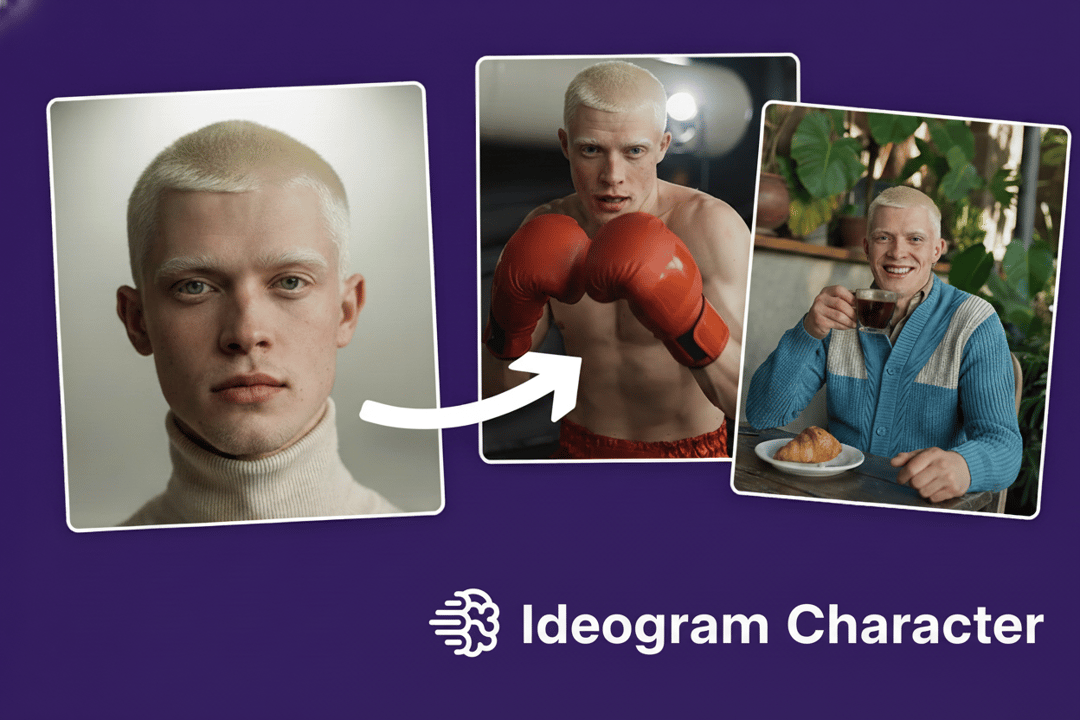
Ideogram Character is the latest feature released by Ideogram AI, ensuring characters retain core features such as facial traits, proportions, and hairstyles across different scenes, artistic styles, and contexts. Whether creating characters from a single reference image or fine-tuning existing ones, Kie.ai's Ideogram Character API offers flexibility and precision through its Base, Edit, and Remix operations.
Satu Platform Ideogram API untuk Penciptaan dan Konsistensi Gambar
Hasilkan visual yang disempurnakan, tingkatkan gambar yang sudah ada, ciptakan arah kreatif baru, dan bangun aset karakter yang dapat digunakan berulang kali melalui model Ideogram API di Kie.ai.
Fitur Utama API Ideogram AI untuk Visual
Output Desain Siap Pakai dari API Ideogram AI
Ketika prompt mencakup pencahayaan, perspektif, penempatan subjek, komposisi, gaya, atau arah adegan, API Ideogram AI dapat mengubah detail tersebut menjadi hasil visual yang lebih halus. Selain menghasilkan output dasar dari prompt ke gambar, API Ideogram mendukung gambar realistis, visual bergaya produk, grafik merek, poster, desain konsep, serta aset pemasaran dengan detail yang lebih bersih dan kesan desain yang lebih matang.
Kontrol Visual yang Lebih Halus melalui API Pengeditan Gambar Ideogram
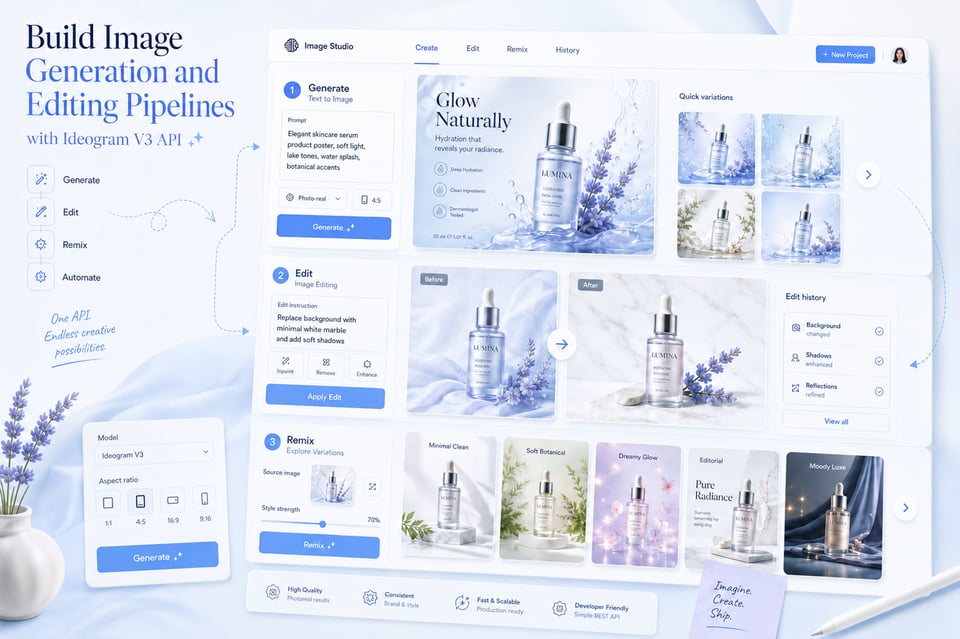
API pengeditan gambar Ideogram membantu pengguna menyesuaikan visual yang sudah ada berdasarkan instruksi prompt, bukan dari nol. Dengan API Ideogram V3, pengguna dapat mengedit gambar umum dengan mengganti latar belakang, memperbarui objek, menyempurnakan area yang dipilih, atau meningkatkan detail visual. Melalui API Karakter Ideogram, alur kerja pengeditan karakter dapat mengubah ekspresi, pakaian, pose, atau bagian tertentu gambar, sambil tetap menjaga identitas inti karakter tetap dikenal.
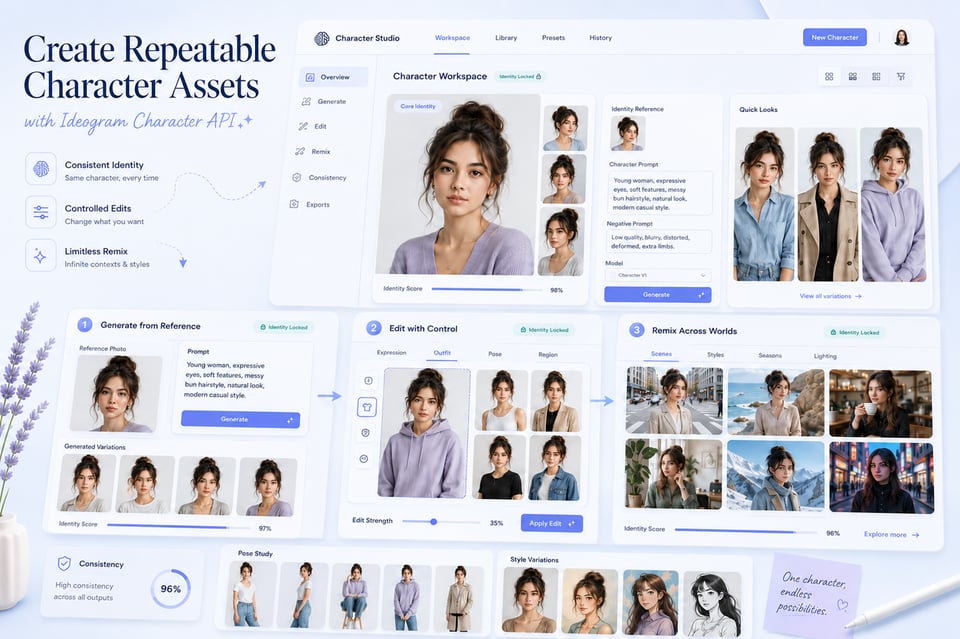
Mulai Membangun Aplikasi dengan Ideogram API di Kie.ai
Dapatkan Kunci API Ideogram dari Kie.ai
Buat atau masuk ke akun Kie.ai, lalu buka dasbor API untuk menghasilkan kunci API Ideogram. Kunci ini digunakan untuk mengautentikasi permintaan ke model Ideogram, termasuk API Ideogram V3 dan API Karakter Ideogram. Untuk keamanan, kunci API harus disimpan di lingkungan backend yang aman, bukan di sisi klien.

Uji API Ideogram AI dengan Kredit Gratis Sebelum Integrasi
Gunakan Playground untuk menguji dengan alur kerja API Ideogram AI sebelum menghubungkannya ke produk Anda. Kredit gratis dapat digunakan untuk pengujian awal, namun kredit tersebut terbatas berdasarkan saldo akun dan aturan kredit yang tersedia. Periksa kredit tersisa, biaya model, serta konsumsi generasi di dashboard Kie.ai sebelum menjalankan uji coba yang lebih besar, sehingga alur kerja dapat dievaluasi dengan pemahaman yang jelas mengenai biaya penggunaan aktual.

Pilih Alur Kerja Ideogram API yang Sesuai
Pilih alur kerja Ideogram API berdasarkan tugas gambar yang ingin Anda dukung. API Ideogram V3 cocok untuk generasi teks-ke-gambar, pengeditan gambar umum, dan variasi visual berdasarkan remix. API Karakter Ideogram lebih baik untuk pembuatan karakter, pengeditan karakter, dan remix karakter ketika identitas karakter yang sama perlu tetap dikenal di berbagai hasil keluaran.

Konfigurasi Parameter Permintaan untuk API Ideogram
Siapkan parameter permintaan yang diperlukan sesuai dengan alur kerja Ideogram API yang dipilih. Tergantung pada model dan operasi, hal ini dapat mencakup prompt, gambar input, gambar referensi, gambar mask, rasio aspek, mode render, tipe operasi, atau parameter lainnya yang didukung. Nama parameter, format yang diterima, batasan, dan struktur respons dapat berubah, sehingga dokumentasi API Kie.ai terbaru harus digunakan sebagai referensi implementasi akhir.
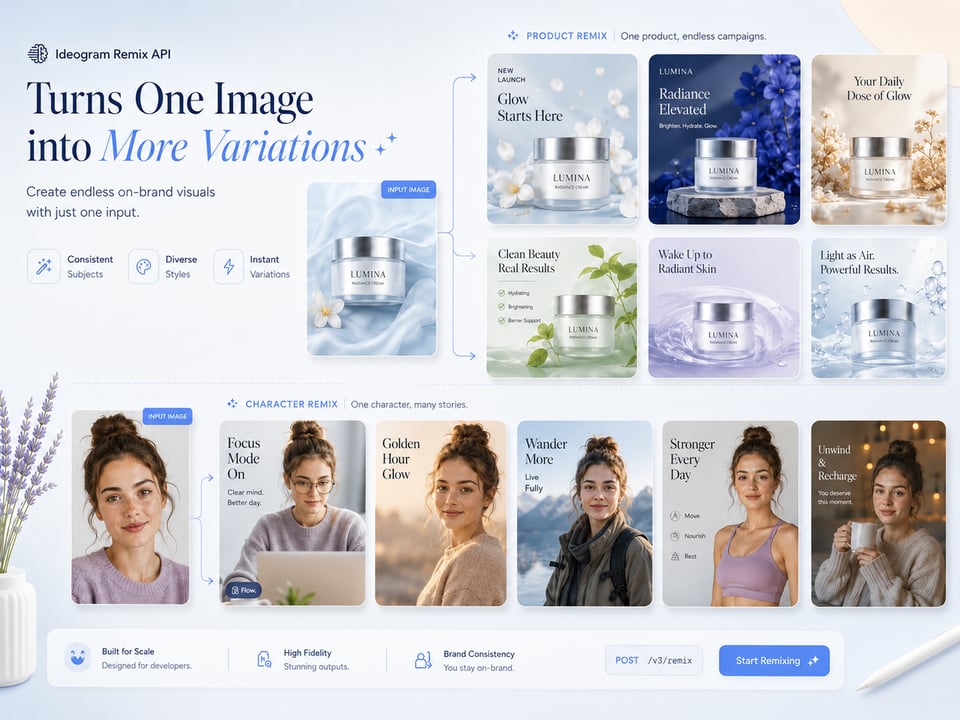
Kirim Permintaan API Ideogram dan Ambil Hasil
Kirim permintaan yang telah terautentikasi ke titik akhir API Ideogram yang dipilih, lalu ikuti alur respons atau status tugas sesuai dokumentasi untuk mendapatkan hasil akhir. Setelah proses generasi selesai, URL gambar atau data hasil yang dikembalikan dapat digunakan dalam aplikasi, alat kreatif, sistem otomasi, atau alur kerja gambar yang ditampilkan kepada pengguna.
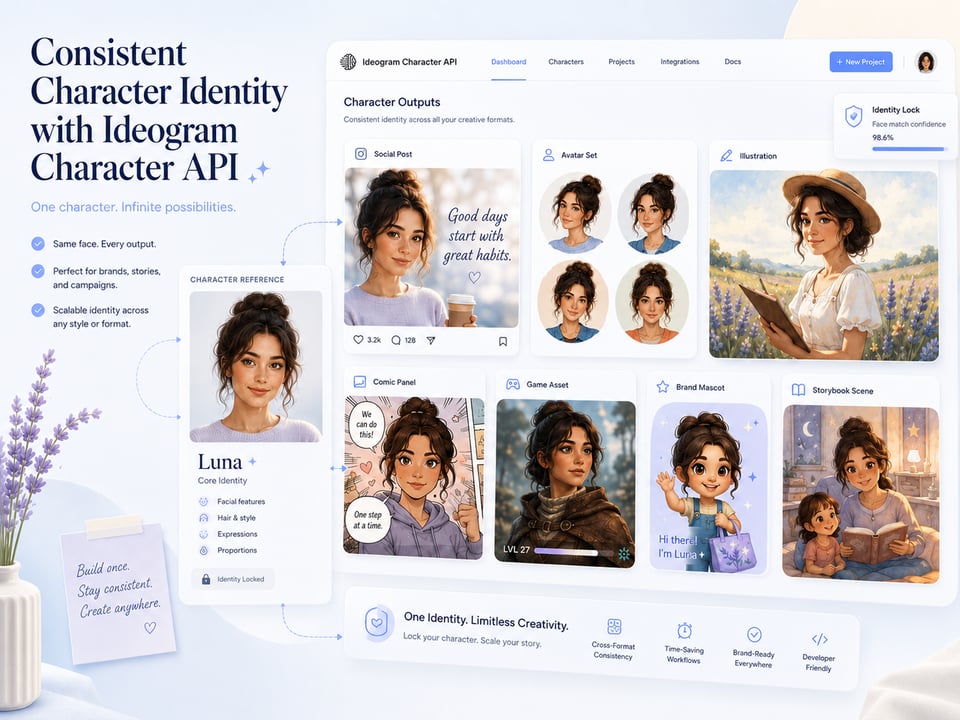
Konten Visual yang Bisa Anda Buat dengan API Ideogram
01
Kreatif Iklan Berbasis Tipografi untuk Desain Iklan dengan Ideogram V3 API
Visual iklan harus menyampaikan pesan yang jelas sekilas, bukan hanya terlihat menarik. Ideogram V3 API membantu menciptakan berbagai jenis iklan seperti banner, grafis peluncuran produk, poster diskon, visual promosi aplikasi, dan kreatif iklan sosial berbayar dengan teks kampanye yang langsung tercantum dalam desain. Bagi tim yang membuat banyak aset pemasaran, Ideogram API memudahkan penggabungan elemen visual, teks yang mudah dibaca, dan pesan kampanye dalam satu gambar.
02
Gambar Produk dengan Ideogram Image Editing API
Gambar produk biasanya memerlukan keseragaman pada item utama, sementara latar belakang, pencahayaan, atau latar tempat dapat berbeda sesuai kampanye. API pengeditan gambar Ideogram dapat membantu mengubah foto produk biasa menjadi visual siap tampil di iklan dengan menyesuaikan lingkungan sekitarnya, memperbarui pengaturan musiman, mengganti material permukaan, meningkatkan suasana pencahayaan, atau menambahkan konteks gaya hidup. Dengan API Ideogram V3, tim produk dapat membuat visual katalog terbaru, gambar promosi, dan aset uji halaman produk tanpa perlu melakukan pengambilan gambar ulang penuh untuk setiap variasi.
03
Kumpulan Visual Media Sosial Diperkuat oleh API Ideogram Remix
Konten media sosial sering kali paling efektif ketika visualnya terasa terhubung namun tidak membosankan. API Ideogram Remix dapat mengambil satu arah gambar yang sudah ada dan menghasilkan versi terkait untuk post karo, grafik pengumuman, thumbnail kreator, kampanye musiman, gambar bergaya meme, atau sampul reel. Dengan mengubah tata letak, nuansa warna, gaya latar tempat, penempatan karakter, atau sudut kreatif, API Ideogram V3 membantu memperluas satu visual asli menjadi beberapa aset siap media sosial sambil tetap menjaga konsep utama tetap dikenali.
04
Aset Karakter IP yang Dibangun dengan API Karakter Ideogram
Konten berbasis karakter membutuhkan konsistensi di antara banyak gambar, terutama ketika sosok yang sama muncul dalam berbagai adegan atau kampanye. API Karakter Ideogram mendukung kumpulan avatar, kampanye mascot, panel komik, potret karakter game, posting influencer virtual, visual cerita anak, dan konten karakter bermerk. Dengan API ini, karakter yang sama bisa memiliki pose, pakaian, ekspresi, atau lingkungan yang berbeda. Penggunaan API konsistensi karakter Ideogram ini sangat berguna untuk membangun aset karakter yang dapat digunakan berulang tanpa kehilangan identitas yang dikenal pengguna.
05
Submit the Ideogram API Request and Retrieve Results
Send the authenticated request to the selected Ideogram API endpoint, then follow the documented response or task-status flow to retrieve the final result. After generation is complete, the returned image URL or result data can be used in your application, creative tool, automation system, or user-facing image workflow.
Mengapa Memilih Kie.ai sebagai Platform yang Menggunakan Ideogram API
Akses Terpadu ke API Ideogram V3 dan Karakter
Kie.ai menggabungkan API Ideogram V3 dan API Karakter Ideogram ke dalam satu platform, memberikan cara yang lebih jelas bagi pengguna untuk mengakses pembuatan gambar umum maupun generasi berfokus pada karakter. API Ideogram V3 mendukung alur kerja teks ke gambar, edit, dan remix, sementara API Karakter Ideogram mendukung pembuatan karakter, edit karakter, dan remix karakter untuk output yang memerlukan konsistensi identitas yang lebih kuat.

Harga API Ideogram yang Terjangkau dengan Kredit Uji Coba Gratis
Kie.ai menggunakan struktur harga berbasis kredit untuk Ideogram API, sehingga lebih mudah untuk memulai dengan uji coba kecil dan skalabilitas berdasarkan penggunaan nyata. Pengguna dapat menguji model Ideogram AI API dengan kredit gratis di Playground sebelum integrasi atau penggunaan produksi yang lebih besar, namun kredit yang tersedia, biaya model, dan konsumsi generasi harus diperiksa terlebih dahulu di dashboard. Hal ini menjaga bahwa pengujian gratis tetap jelas sebagai penggunaan uji coba terbatas, bukan akses gratis tanpa batas.

Dokumentasi Lengkap Ideogram API untuk Integrasi yang Lebih Mudah
Kie.ai menyediakan dokumentasi Ideogram API yang mencakup autentikasi, pemilihan model, parameter permintaan, format input yang, penanganan respons, dan pengambilan hasil. Karena kemampuan yang didukung, nama parameter, opsi model, dan pengaturan output dapat berubah seiring pembaruan model, maka dokumentasi terbaru harus digunakan sebagai referensi akhir sebelum implementasi.

Dukungan 24/7 untuk Pengguna yang Menggunakan Ideogram AI API
Kie.ai menyediakan dukungan 24/7 bagi pengguna yang bekerja dengan alur kerja Ideogram AI API, termasuk pertanyaan pengaturan, masalah penggunaan API, pemilihan model, konfigurasi permintaan, dan troubleshooting. Dukungan ini membantu pengguna menyelesaikan masalah integrasi lebih cepat saat menggunakan Ideogram API untuk alur kerja pembuatan, pengeditan, remix, atau konsistensi karakter gambar.
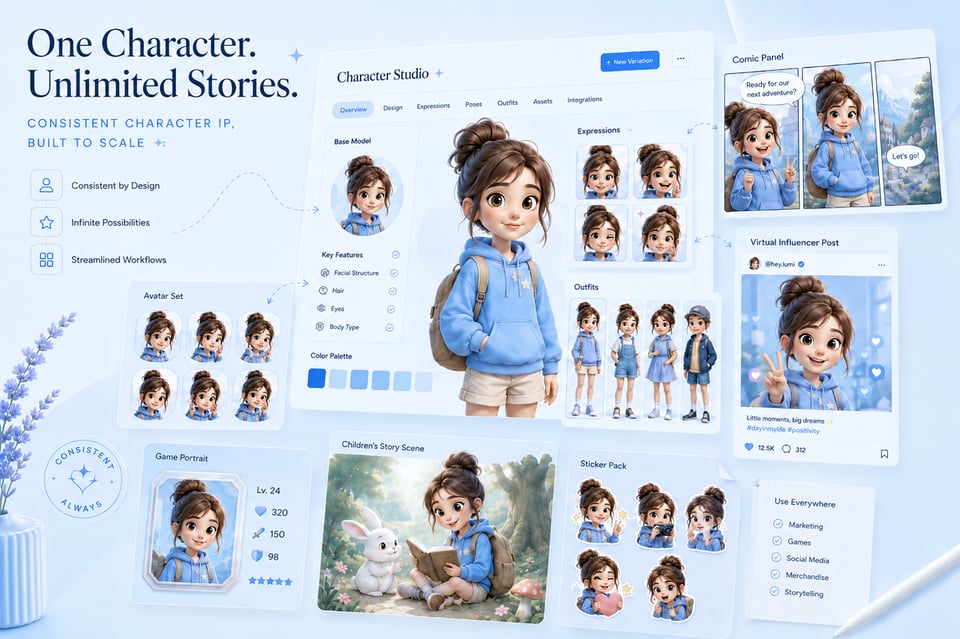
Why Choose Kie.ai as Your Ideogram API Platform
Unified Ideogram API Access for V3 and Character Models
Kie.ai brings Ideogram V3 API and Ideogram Character API into one platform, giving users a clearer way to access both general image creation and character-focused generation. Ideogram V3 API supports text-to-image, edit, and remix workflows, while Ideogram Character API supports character generation, character edit, and character remix for outputs that need stronger identity consistency.
Affordable Ideogram API Pricing with Free Credit Testing
Kie.ai uses a credit-based pricing structure for Ideogram API, making it easier to start with small tests and scale based on actual usage. Users can test Ideogram AI API models with free credits in the Playground before larger integration or production use, but available credits, model cost, and generation consumption should be checked in the dashboard first. This keeps free testing clear as limited trial usage rather than unlimited free access.
Complete Ideogram API Documentation for Easier Integration
Kie.ai provides Ideogram API documentation covering authentication, model selection, request parameters, input formats, response handling, and result retrieval. Since supported capabilities, parameter names, model options, and output settings may change as models are updated, the latest documentation should be used as the final reference before implementation.
24/7 Support for Ideogram AI API Users
Kie.ai offers 24/7 support for users working with Ideogram AI API workflows, including setup questions, API usage issues, model selection, request configuration, and troubleshooting. This helps users resolve integration problems faster when using Ideogram API for image generation, editing, remix, or character consistency workflows.
FAQs About Ideogram API
Ideogram API is an AI image generation and image transformation service for creating visuals from prompts and existing images. On Kie.ai, users can access Ideogram models for text-to-image generation, image editing, remix variations, and character-based creation with stronger identity consistency.
Kie.ai provides access to Ideogram V3 API and Ideogram Character API. Ideogram V3 API supports text-to-image, edit, and remix workflows, while Ideogram Character API supports character generation, character edit, and character remix for outputs that need stronger identity consistency. Model availability, supported operations, input requirements, and parameters may change as models are updated, so please check the latest Kie.ai API documentation for the most accurate details.
Yes. Users can test Ideogram AI API models with free credits in the Kie.ai Playground before larger integration or production use. Free testing depends on the available account credits, selected model cost, and generation consumption, so users should check their remaining credits and pricing details in the dashboard before running more tests.
Ideogram V3 API can create posters, product visuals, brand graphics, thumbnails, social media images, campaign assets, concept designs, and other prompt-based images. It is especially useful for visuals that need polished composition, realistic details, and readable text inside the generated image.
Yes. Ideogram API supports image edit and remix workflows depending on the selected model. Ideogram V3 API can edit or remix general images, while Ideogram Character API can support character edit and character remix when the goal is to adjust or restyle a referenced character while keeping the identity recognizable.
Ideogram Character API is used to generate, edit, and remix characters from a reference image while preserving key identity traits such as facial features, hairstyle, proportions, and overall appearance. It is suitable for avatars, mascots, comics, game characters, virtual influencers, story visuals, and other repeatable character assets.
You can find Ideogram API documentation on Kie.ai, including authentication, model options, request parameters, input requirements, response formats, and result retrieval methods. Since supported capabilities and parameters may change as models are updated, the latest documentation should be used as the final implementation reference.