
高性价比的图像转视频API定价
Kie.ai 提供面向频繁测试、重复生成或可扩展产品集成需求团队的高性价比的图像转视频API定价。开发者可通过一个平台评估不同模型,更高效地管理使用情况,无需在多个视频模型提供商之间切换不同的计费系统。
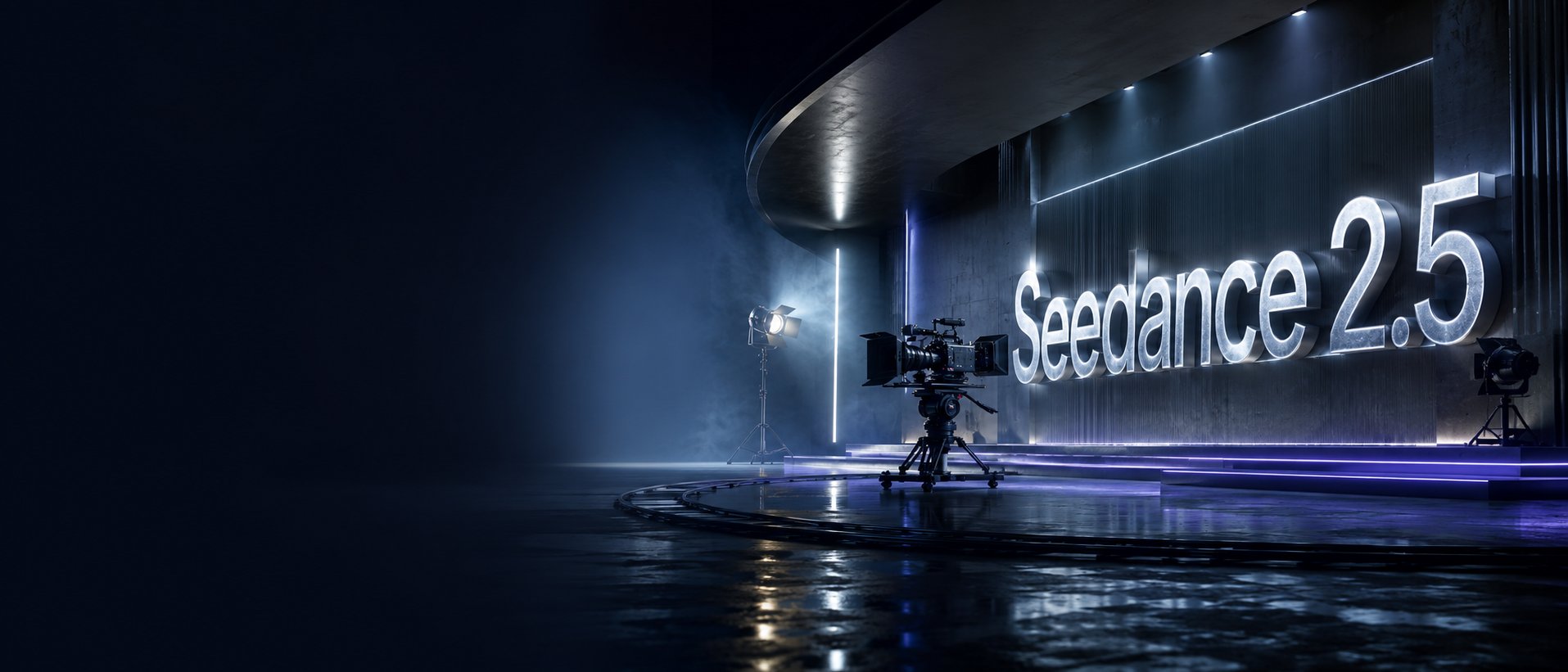
Seedance 2.5 on KIE is ByteDance’s upgraded AI video model, built for longer, more controllable video generation. It supports up to 30-second videos, multimodal references, precise editing, and improved consistency for more cinematic and production-ready creative workflows.
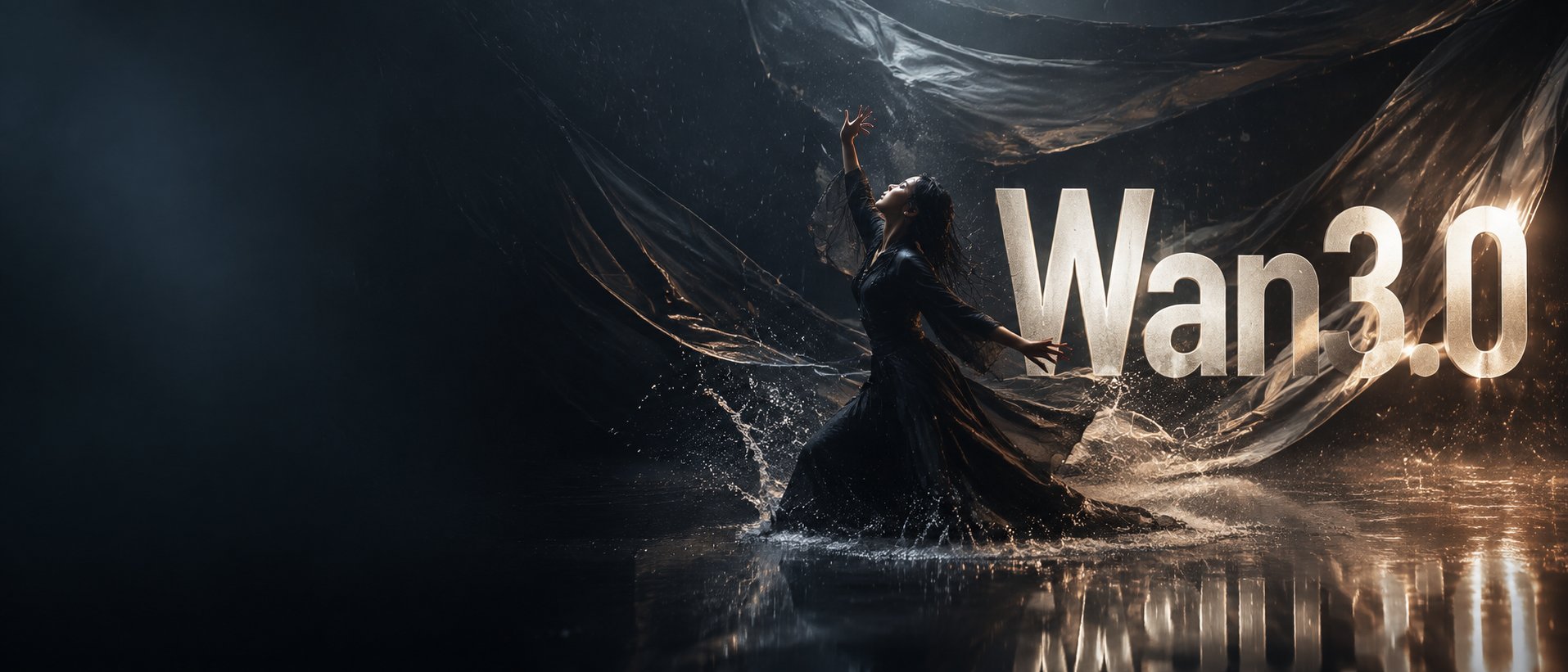
Wan3.0 is Alibaba’s next-generation all-in-one video generation model built for multimodal creation. It supports text, image, video, audio, and structured references to produce more consistent, realistic, and controllable video content with enhanced storytelling and editing capabilities.
Seedance 2.0 on KIE is a multimodal Al video model by ByteDance, optimized for fast and realistic video generation. It supports high-quality virtual human video creation with strong multi-shot consistency, enabling more lifelike and cinematic outputs across scenes.
GPT Image 2 is OpenAI’s next-gen image model built for stronger photorealism, cleaner image editing, sharper text rendering, and more polished product photography. Designed for more advanced visual workflows, it pushes image generation beyond basic text-to-image output and into higher-quality creative, commercial, and design-ready use cases.
Meet Nano Banana 2, Google’s Gemini 3.1 Flash Image model, now available via Kie AI API. Built for developers, it combines lightning-fast speed with Pro-level quality, accurate text rendering, strong character consistency, and scalable image generation and editing workflows.
Grok 4.6 is xAI’s latest frontier AI model, designed to enhance long-running agents, advanced reasoning, coding intelligence, and interactive AI experiences. Building on Grok 4.5, it delivers improved performance for complex multi-step tasks, knowledge work, software engineering, and creative applications.
Kling 4.0 Flash is a fast, cost-efficient AI video generation model from Kling AI, designed for high-frequency creative workflows. Built on the latest Kling 4.0 generation, it delivers stable dynamic motion and immersive audiovisual video creation while helping creators generate and iterate more efficiently.
Wan3.0 is Alibaba’s next-generation all-in-one video generation model built for multimodal creation. It supports text, image, video, audio, and structured references to produce more consistent, realistic, and controllable video content with enhanced storytelling and editing capabilities.
Wan 3.0 Video Prime is a high-speed AI video generation model from Alibaba's Wan model family. It delivers core capabilities aligned with Wan 3.0 Video while offering faster end-to-end generation, with multimodal references across audio, image, text, and video and video generation up to 30 seconds.
Seedance 2.0 Mini is ByteDance's cost-efficient AI video model designed for faster generation and lower inference costs. It supports text-to-video, image-to-video, consistent character generation, and cinematic motion, making it ideal for scalable AI video applications and production workflows.
Gemini Omni is Google’s released multimodal creation model built to create from different kinds of input, starting with video. Gemini Omni Flash is the first model in the Omni family, supporting practical video generation and editing workflows such as natural language edits, reference-based creation, scene transformation, and coherent visual storytelling.
HappyHorse-1.0 is an emerging AI video model developed by Alibaba ATH and has quickly become one of the most watched new names in AI video generation. It is associated with strong text-to-video and image-to-video performance, along with audio support and multilingual capability.
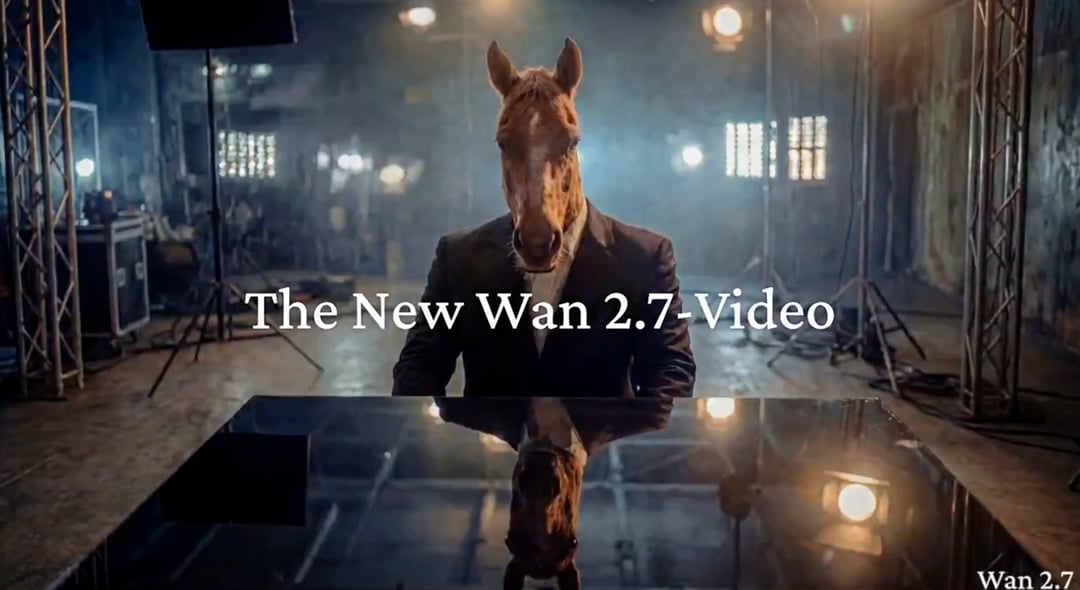
Wan 2.7 Video API is Alibaba Tongyi Lab's AI video suite, covering four generation modes — Text-to-Video, Image-to-Video, Reference-to-Video, and Video Edit. It supports full-modality input (text, image, video, audio) and outputs 720P–1080P video. Access all four modes through a single API on Kie.ai.
Seedance 2.0 on KIE is a multimodal Al video model by ByteDance, optimized for fast and realistic video generation. It supports high-quality virtual human video creation with strong multi-shot consistency, enabling more lifelike and cinematic outputs across scenes. With efficient generation speed, Seedance 2.0 typically averages around ~5 minutes per generation, while Seedance 2.0 Fast averages around ~4 minutes - making it a reliable choice for scalable, real-time content production.
通过 Kie.ai 的图像转视频 API 构建图像转视频功能。将上传的图片转换为动态视频,对比 20+ 种 AI 视频模型。通过灵活定价、清晰文档和可靠的 API 接入方式,将合适的模型集成到您的产品中。
不同的图像转视频工作流需要不同的模型行为。例如产品展示、人物动画、电影场景、虚拟形象剪辑、社交媒体特效和故事板预览等,每种场景都可能需要在运动质量、提示词匹配度、生成速度、成本、音频支持和视觉风格之间取得平衡。通过Kie.ai,开发者可以访问并比较来自Google、Kling、字节跳动Seedance、Grok Imagine、万相、海洛等品牌旗下的20+图像转视频API模型,从而根据具体应用场景选择最适合的模型,而非局限于某一种固定的生成流程。
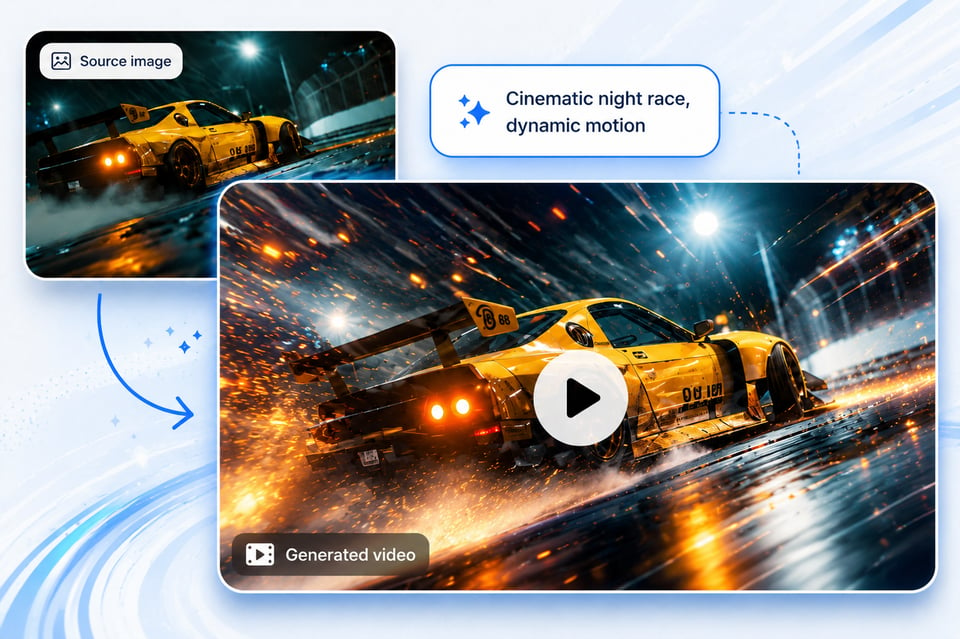
图像转视频API的核心价值在于从上传的图像中生成流畅自然的运动效果。一个优秀的API应保留原始图像的构图、光源方向、主体形态和关键视觉细节,同时添加可信的镜头运动、环境动画、物体运动、面部表情变化、产品展示或电影级场景动态。这一点在商业视觉、品牌资产、创作者工具及面向用户的场景中尤为重要,因为不自然的运动或不稳定的表现会影响输出质量。
基于提示词的图像转视频API让开发者和终端用户能够更精确地控制图像如何转化为视频。与通用动画预设不同,提示词可以引导镜头方向、主体动作、氛围节奏、光影效果、背景运动和视觉风格。例如,用户可以请求缓慢的电影镜头推近、手持纪录片风格、产品旋转、角色转向镜头,或主体后方轻微移动的云朵等效果。这使得图像转视频过程更具方向性、可重复性,并适用于产品化的创意工作流程。
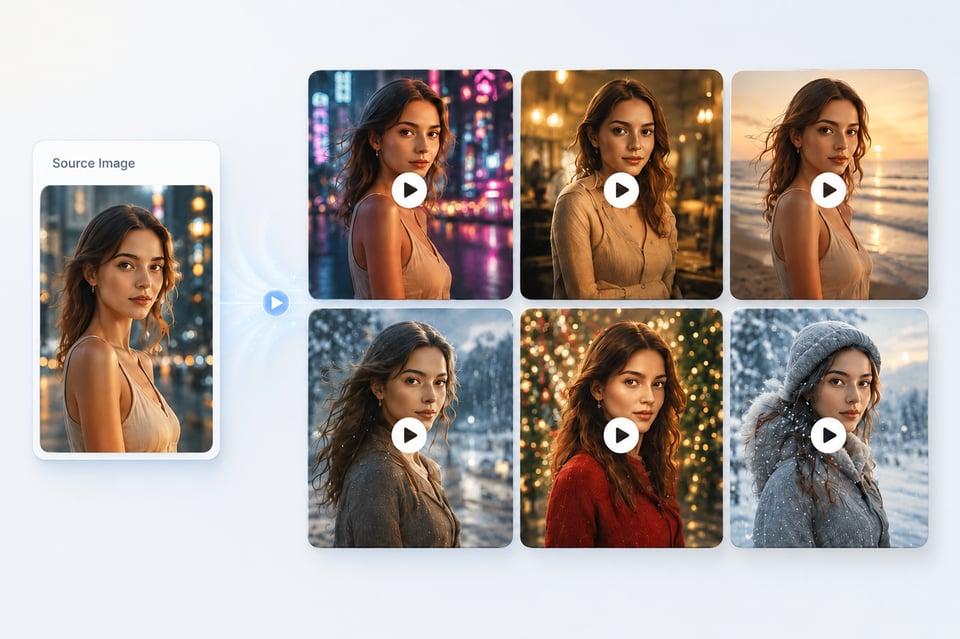
当上传的图像包含人物、产品、角色、品牌资产、时尚单品或插画时,主体识别度至关重要。一个可靠的图像转视频API应确保生成的视频片段中原始主体保持清晰可辨,同时添加动态效果。对于人像而言,这意味着尽可能保留面部轮廓、发型、表情和身体结构;对于产品而言,则需保持其形状、颜色、材质、品牌标识位置及设计细节;对于角色或艺术作品,则需维持原有的视觉风格一致,并引入动画元素。
Kie.ai includes Wan AI video model APIs such as Wan 2.7 Video API, Wan 2.6 API, Wan 2.5 API, and Wan 2.2 Animate API for flexible AI video generation. These models give developers more Image to Video API choices for creative motion, animated portraits, stylized scenes, character movement, and visual transformation from uploaded images. Wan models are suitable for teams that want to test different motion behaviors and select the right model direction for cinematic, social, or experimental video features.
Kie.ai supports Hailuo 2.3 API and other Hailuo AI video models for practical Image to Video API workflows where teams need efficient video generation for social clips, creative previews, product content, marketing assets, and high-volume testing. Developers can use Hailuo models to balance speed, visual quality, and generation cost when building scalable image-to-video features.
在Kie.ai Playground中领取免费试用额度,提前测试图像转视频API模型。上传参考图像,输入运动提示词,即可预览不同AI视频模型在摄像机运动、主体动画、场景动态和视觉连贯性方面的表现。

根据运动质量、提示词响应度、主体稳定性、生成速度、定价、支持设置及输出风格等方面,比较AI图像转视频API模型。这有助于开发者为产品视频、人物动画、头像剪辑、社交媒体特效、电影风格场景或创意预览选择最适合的模型。
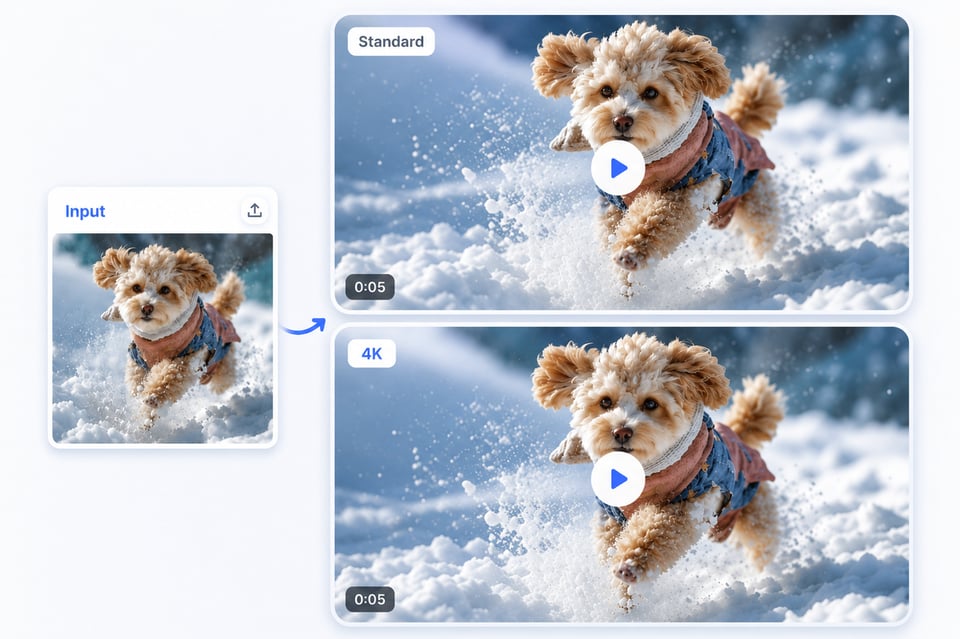
创建 Kie.ai 账户,生成 API 密钥,并将选定的图像转视频功能接入您的产品。通过 Kie.ai 文档发送图像输入与指令、监控生成状态、获取生成视频,构建可扩展的图像转视频功能,适用于应用程序、平台及自动化内容系统。
Subject consistency is essential when the uploaded image contains a person, product, character, brand asset, fashion item, or illustration. A reliable Image to Video API should keep the original subject recognizable throughout the generated clip while adding motion. For portraits, this means preserving facial identity, hairstyle, expression, and body structure as much as possible. For products, it means maintaining shape, color, material, logo placement, and design details. For characters or artwork, it means keeping the original visual language stable while introducing animation.
Kie.ai 提供面向频繁测试、重复生成或可扩展产品集成需求团队的高性价比的图像转视频API定价。开发者可通过一个平台评估不同模型,更高效地管理使用情况,无需在多个视频模型提供商之间切换不同的计费系统。
一个成熟的图像转视频API需要清晰的文档支持,而不仅仅是一个生成接口。Kie.ai 提供以开发者为中心的API文档,涵盖认证方式、请求结构、模型参数、生成流程、响应处理及使用规范等内容。帮助团队从测试环境顺利过渡到后端集成,降低配置门槛。
图像转视频功能常被集成在各类全球性应用、创作者平台、电商工具、自动化系统及内部生产流程中。Kie.ai 提供全天候图像转视频 API 访问服务,帮助开发者确保用户和工作流始终能获得视频生成服务。
Kie.ai 整合了来自主流视频模型品牌的20多个图像转视频API。开发者无需为每个提供商单独开发集成,即可测试不同模型适用于产品视频、人像动态、角色动画等应用领域,包括产品视频、人像动态、角色动画、电影场景、社交特效和创意预览等。
图像转视频API的工作流通常涉及人像、产品照片、品牌素材、概念艺术等敏感视觉输入。Kie.ai 支持安全的数据处理机制,确保图像上传与视频生成过程中的数据安全,适用于需要处理用户生成内容、企业资产及制作媒体的各类产品。
AI视频模型迭代快速,新版本在运动质量、提示词遵循度、真实感、处理速度和功能支持方面持续优化。Kie.ai 持续更新其AI视频模型库,使开发者能更高效地获取最新的图像转视频API选项,而无需频繁调整产品架构以适配模型升级。
When developers choose an Image to Video API, the decision is not only about generation quality. Pricing, documentation, model coverage, service availability, data handling, and model update speed all affect whether the API can support real product integration. Kie.ai helps teams test, compare, and integrate AI Image to Video APIs with a more practical path from early experimentation to production deployment.
Kie.ai provides cost-effective Image to Video API pricing for teams that need frequent testing, repeated generation, or scalable product integration. Developers can evaluate different models through one platform and manage usage more efficiently, instead of handling separate pricing systems across multiple video model providers.
A production-ready Image to Video API needs clear documentation, not just a generation interface. Kie.ai provides developer-focused API docs covering authentication, request structure, model parameters, generation flow, response handling, and usage requirements. This helps teams move from playground testing to backend integration with less setup friction.
Image-to-video features often run inside global apps, creator platforms, ecommerce tools, automation systems, and internal production pipelines. Kie.ai supports 24/7 Image to Video API access, helping developers keep video generation available for users and workflows that need continuous service.
Kie.ai brings together 20+ AI Image to Video APIs across leading video model brands. Developers can test different models for product videos, portrait motion, character animation, cinematic scenes, social effects, and creative previews without rebuilding separate integrations for every provider.
Image to Video API workflows often process portraits, product photos, brand assets, concept art, and other sensitive visual inputs. Kie.ai supports secure data handling for image uploads and generated video outputs, making it more suitable for products that need to process user-generated content, business assets, and production media with confidence.
AI video models evolve quickly, with new versions improving motion quality, prompt adherence, realism, speed, and feature support. Kie.ai keeps its AI video model library updated so developers can access newer Image to Video API options more efficiently without rebuilding their product architecture whenever model capabilities change.
Image to Video API is used to turn a still image into a generated video through an API request. Developers can use it to build product showcase videos, portrait motion clips, character animation, social media effects, cinematic scene generation, avatar videos, and other image-based video features inside their own apps or platforms.
Yes. Kie.ai provides access to 20+ AI Image to Video APIs across multiple AI video model brands, including Google, Kling, ByteDance Seedance, Wan, Hailuo, Runway, Grok Imagine, and more. This allows developers to test different models and choose the right API based on motion quality, speed, cost, visual style, and feature support.
The right model depends on the type of video you want to generate. Cinematic scene videos may need a model with stronger camera movement and realism, while portrait animation may need better subject consistency. Product showcase videos may require stable object preservation, and social effect videos may prioritize speed and expressive motion. Kie.ai lets developers compare different Image to Video API models before integration.
Yes. Developers can test Image to Video API models on Kie.ai with free credits before integration. You can upload an image, write a motion prompt, compare model outputs, review pricing, and evaluate whether the selected model fits your product workflow before connecting it through API.
An AI Image to Video API usually requires an image input and a text prompt. The image provides the visual reference, while the prompt describes the motion, camera movement, subject action, mood, or scene behavior. Depending on the selected model, additional parameters may include duration, aspect ratio, resolution, generation mode, or other model-specific settings.
A good Image to Video API should preserve the main subject, composition, and important visual details while adding motion. For portraits, this may include facial identity, hairstyle, and body structure. For products, this may include shape, color, material, and branding details. The final level of consistency depends on the selected model, image quality, prompt design, and generation settings.
Yes. Kie.ai Image to Video API is suitable for product integration because it combines multi-model access, affordable Image to Video API pricing, API documentation, 24/7 service availability, secure data handling, and regular model updates. This makes it practical for apps, SaaS tools, creator platforms, ecommerce systems, marketing workflows, and automated video generation features.