
Seedance 2.5 on KIE is ByteDance’s upgraded AI video model, built for longer, more controllable video generation. It supports up to 30-second videos, multimodal references, precise editing, and improved consistency for more cinematic and production-ready creative workflows.
Wan3.0 is Alibaba’s next-generation all-in-one video generation model built for multimodal creation. It supports text, image, video, audio, and structured references to produce more consistent, realistic, and controllable video content with enhanced storytelling and editing capabilities.
Seedance 2.0 on KIE is a multimodal Al video model by ByteDance, optimized for fast and realistic video generation. It supports high-quality virtual human video creation with strong multi-shot consistency, enabling more lifelike and cinematic outputs across scenes.
GPT Image 2 is OpenAI’s next-gen image model built for stronger photorealism, cleaner image editing, sharper text rendering, and more polished product photography. Designed for more advanced visual workflows, it pushes image generation beyond basic text-to-image output and into higher-quality creative, commercial, and design-ready use cases.
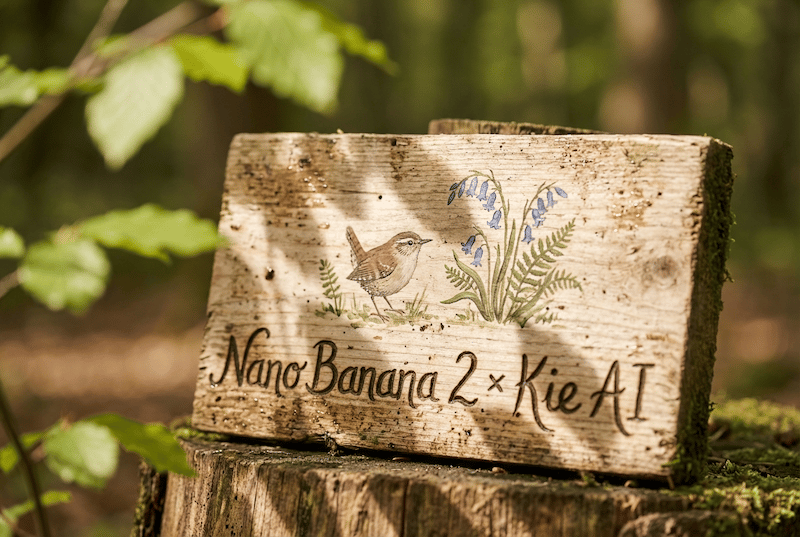
Meet Nano Banana 2, Google’s Gemini 3.1 Flash Image model, now available via Kie AI API. Built for developers, it combines lightning-fast speed with Pro-level quality, accurate text rendering, strong character consistency, and scalable image generation and editing workflows.
Grok 4.6 is xAI’s latest frontier AI model, designed to enhance long-running agents, advanced reasoning, coding intelligence, and interactive AI experiences. Building on Grok 4.5, it delivers improved performance for complex multi-step tasks, knowledge work, software engineering, and creative applications.
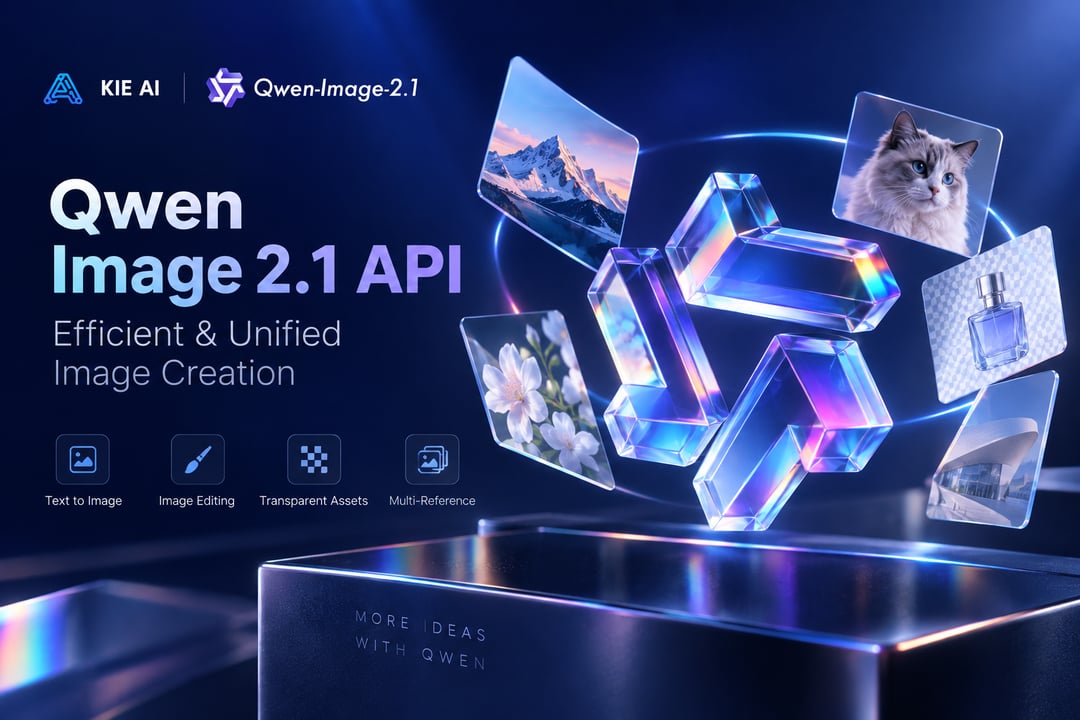
Qwen Image 2.1 is Alibaba’s compact and efficient AI image model for unified image generation and editing. It supports text-to-image creation, native transparent images, multi-reference editing with up to 10 images, local edits, and improved fidelity for people, products, and text.
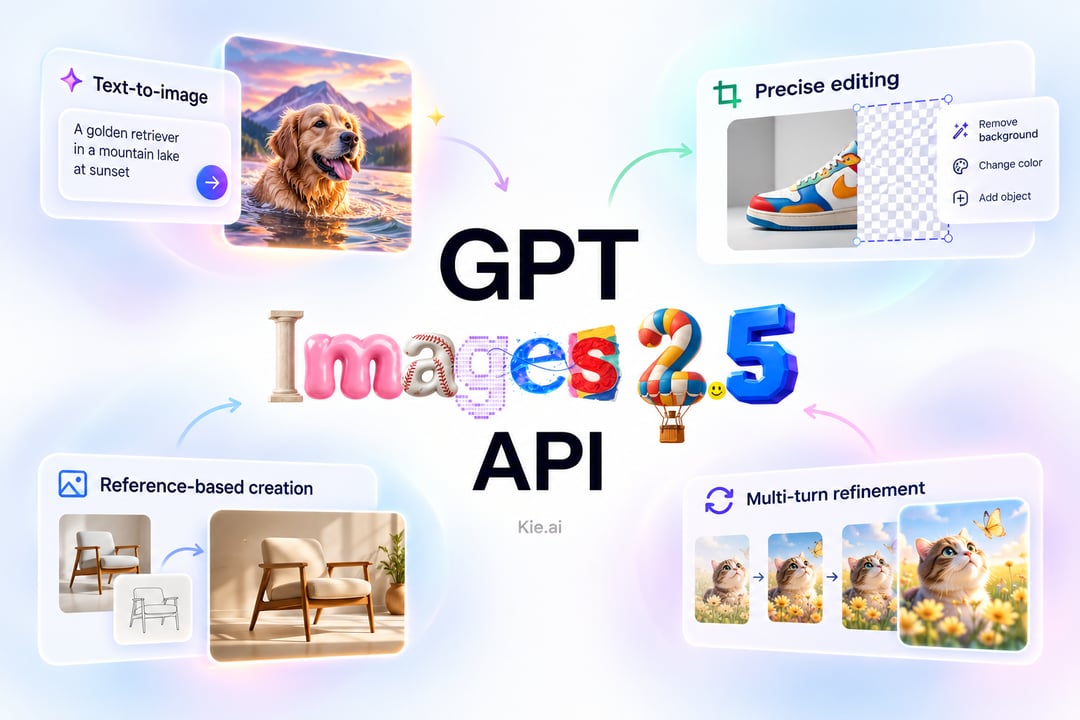
GPT Image 2.5 is an advanced image generation and editing model from OpenAI, designed for sharper visual quality, stronger reference fidelity, and more precise refinement. It delivers more natural lighting and textures, preserves recognizable subjects more consistently, and follows complex visual instructions with improved accuracy across repeated edits.
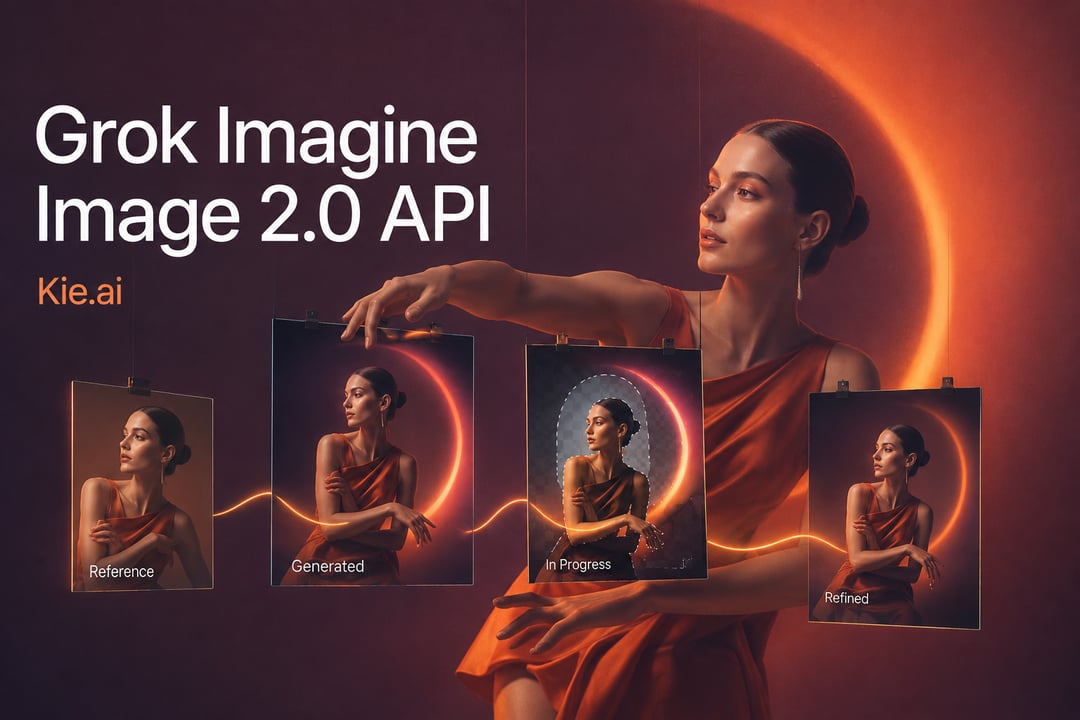
Grok Imagine Image 2.0 is xAI’s next-generation image model built for precise generation and editing. It improves instruction following, typography rendering, visual consistency, and reference-based transformation, delivering more controlled and refined image creation capabilities.

GPT Image 2 is OpenAI’s next-gen image model built for stronger photorealism, cleaner image editing, sharper text rendering, and more polished product photography. Designed for more advanced visual workflows, it pushes image generation beyond basic text-to-image output and into higher-quality creative, commercial, and design-ready use cases.
Seedream 5.0 Lite is a unified multimodal image generation model by ByteDance, designed for multimodal reasoning, deep understanding, and controllable visual creation. It supports text-to-image and image editing workflows with improved consistency and real-time knowledge integration.
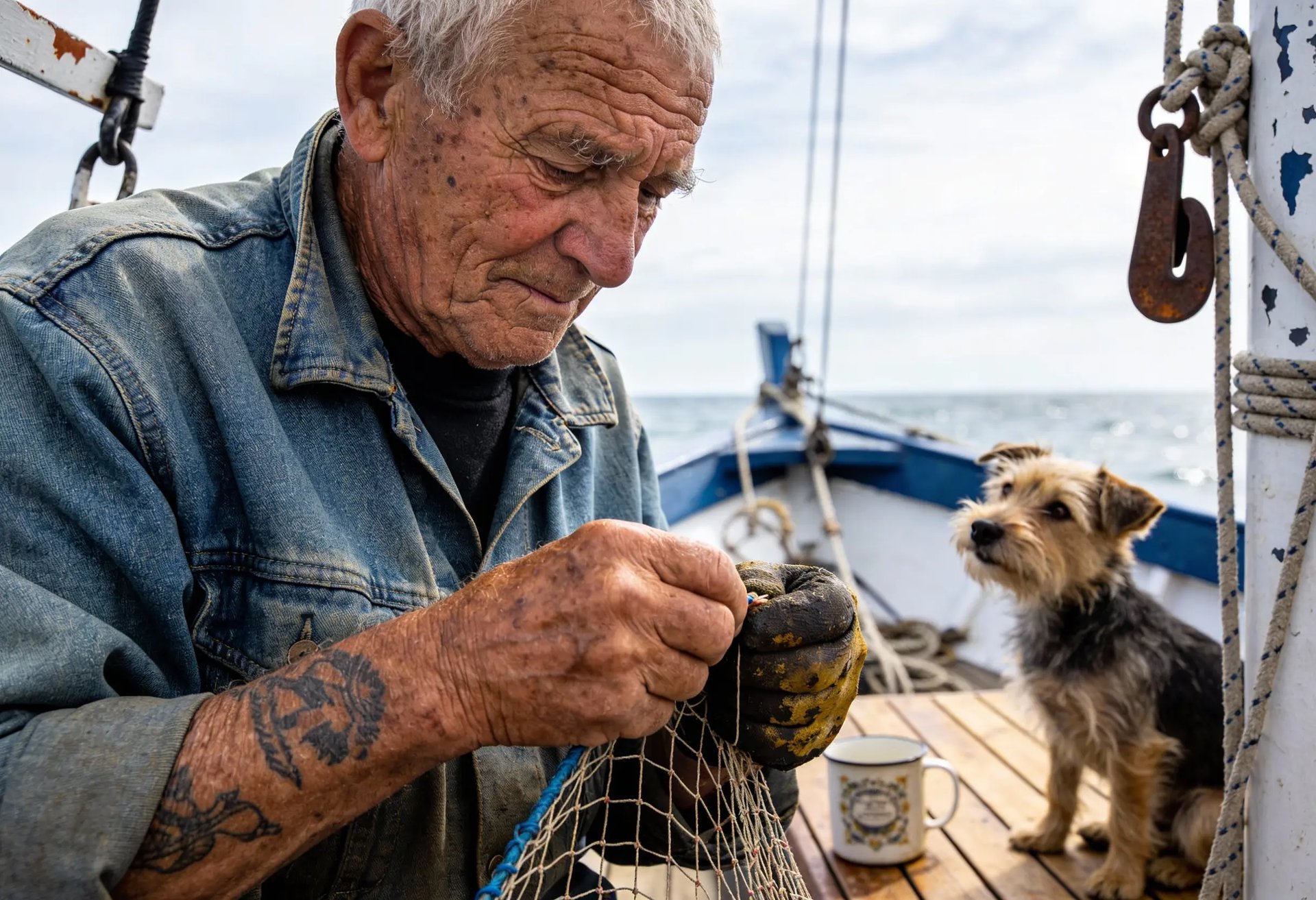
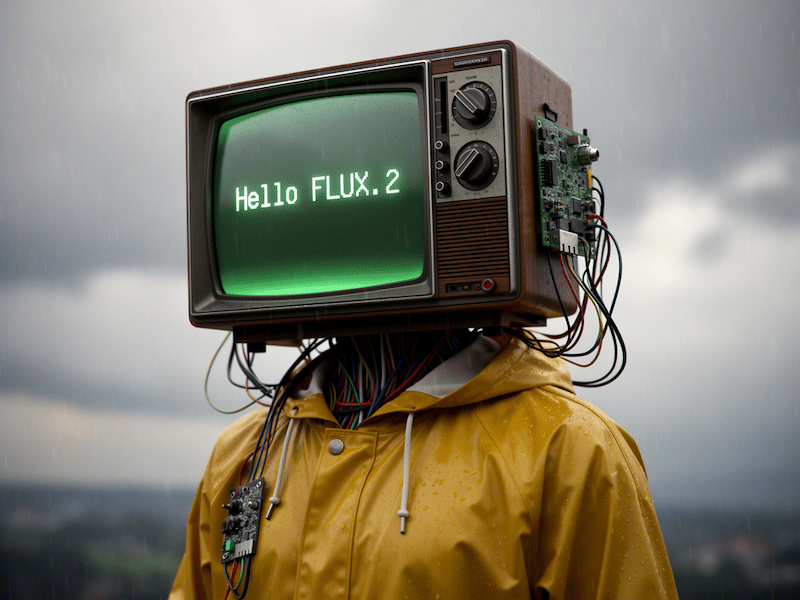
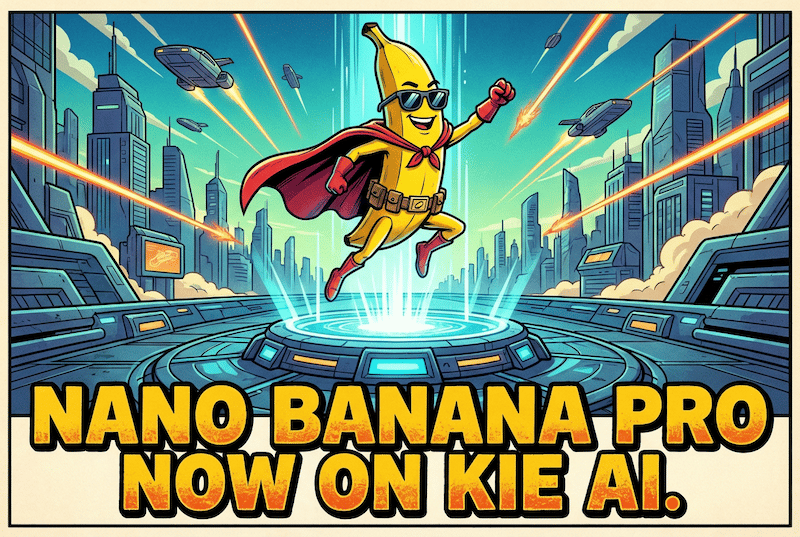
Grok Imagine is xAI’s AI video generation model for creating high-quality videos with realistic motion, native audio, and synchronized speech. Grok Imagine 1.5 introduces faster generation speeds, improved motion physics, and stronger visual consistency for modern AI video applications.
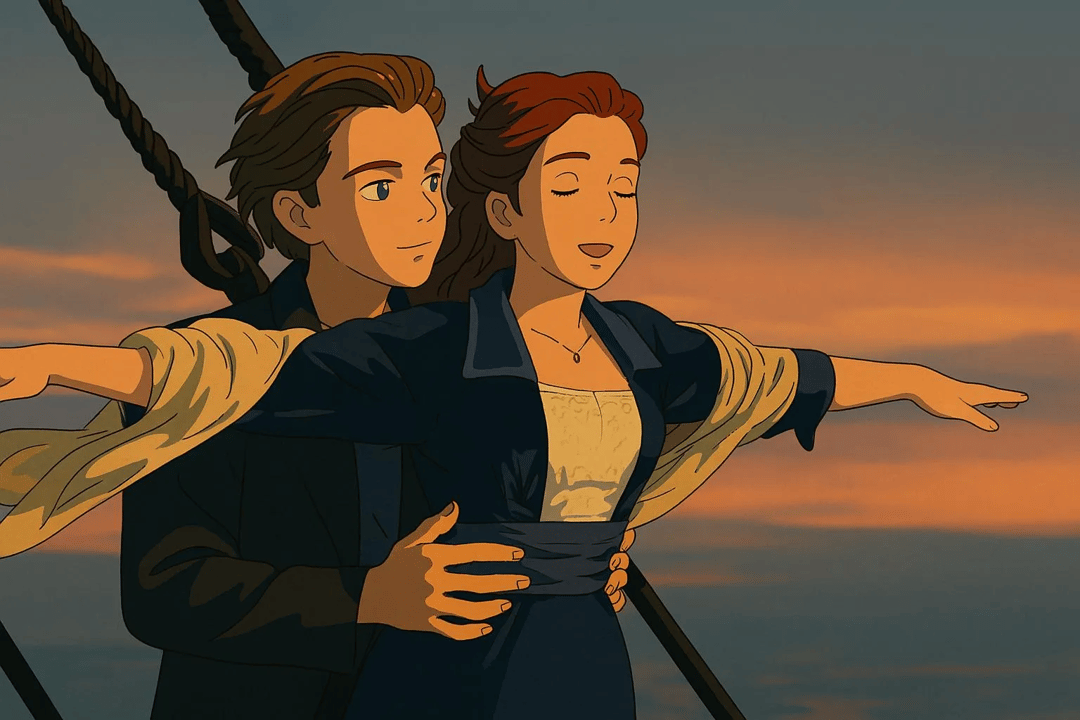
The GPT-Image-1 model, also known as ChatGPT 4o Image, is OpenAI’s latest AI image generation model. It understands both text and visual context, allowing developers to create and edit images with remarkable accuracy. Unlike traditional diffusion models, GPT-Image-1 follows instructions precisely, supports consistent styles, and renders legible text — making it ideal for applications in design, marketing, and creative automation.
API de Image-to-Image para Reestilização Visual e Edição de Imagens
Crie recursos de IA baseados em imagens reais, não em prompts vazios. Com a API Image To Image da Kie.ai, desenvolvedores podem testar modelos, transformar imagens de origem e implantar fluxos de trabalho de edição, reestilização e variações em produção.
Principais Funcionalidades da API Image-to-Image da Kie AI
API Multi-Modelo de Transformação de Imagem para Transformações Visuais Flexíveis com IA
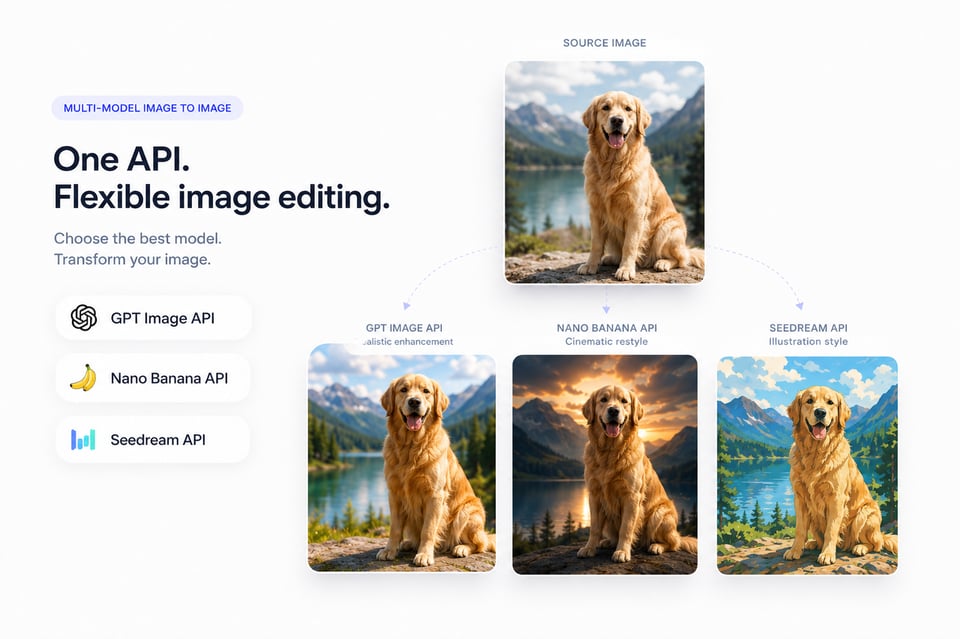
Uma API de Image-to-Image robusta deve oferecer aos desenvolvedores a opção de escolha do modelo adequado à tarefa, em vez de forçar todos os fluxos de trabalho de edição de imagem a seguir um único estilo de saída. A Kie.ai oferece mais de 30 opções de modelos de Image-to-Image, incluindo escolhas populares como a GPT Image API, Nano Banana API e Seedream API, permitindo que equipes comparem resultados em transformações de imagem por IA, edição de imagens com prompts, restyling de fotos e geração de variações de imagem. Essa flexibilidade torna o desenvolvimento de APIs de imagem mais adequado para produtos que priorizam a preservação da imagem original, qualidade visual, variedade de estilos, velocidade de geração e controle de custos.
API de Image-to-Image Baseada em Prompts para Edição de Imagens
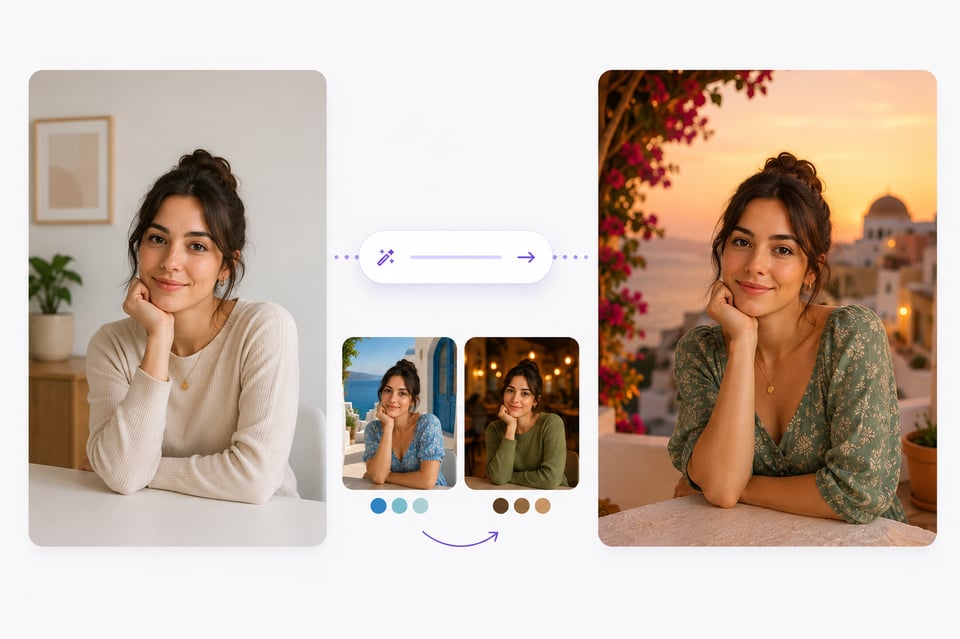
A API de Image-to-Image baseada em prompts permite que os usuários façam upload de uma imagem de referência e descrevam com precisão a mudança visual desejada. O prompt pode guiar a substituição do fundo, alterações de cor, ajustes de iluminação, detalhes de objetos, atualizações de roupas, atmosfera da cena ou direção criativa de estilo, mantendo a imagem original como ponto de partida visual. Isso torna a edição de imagens com IA por prompts mais controlável do que a geração apenas com texto e mais escalável do que o trabalho manual de design.
Mais de 30 APIs de Edição de Imagem para Restyling de Fotos e Preservação de Composição
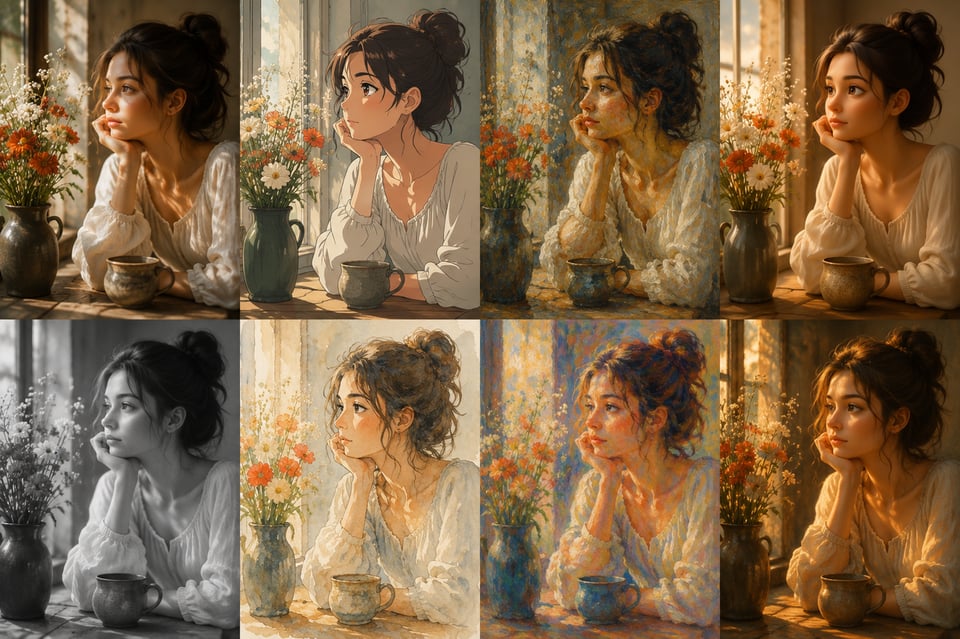
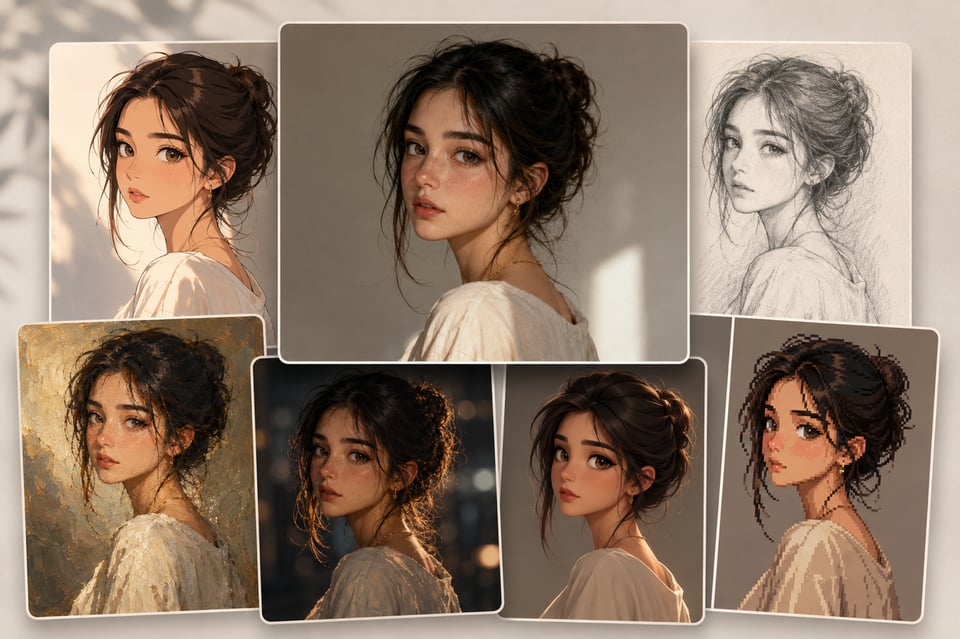
Uma API que transforma imagens para reestilizar fotos permite transformar uma imagem existente em um novo estilo visual, mantendo intacta a composição original, a estrutura do sujeito, a profundidade e os detalhes importantes. Os usuários podem converter retratos, fotos de produtos, imagens de personagens ou referências de cenas em estilos como anime, pintura a óleo, cinematográfico, fantasia, 3D, esboço, editorial ou com marca. O resultado parece novo, mas a transformação de imagem mantém a estrutura e a narrativa visual da imagem carregada.
Como Começar a Integração da API de Transformação de Imagem no Kie.ai
Registre-se, Faça Login e Obtenha sua Chave de API
Crie uma conta no Kie.ai e acesse o dashboard para gerar sua chave de API. Essa chave conecta seu aplicativo às APIs de modelos de imagem do Kie.ai, permitindo que seu produto envie imagens de origem, prompts e solicitações de transformação via API.
Escolha um Modelo e Teste gratuitamente a API Image-to-Image no Playground
Selecione o modelo de imagem que melhor se adeque ao seu fluxo de trabalho da API de Transformação de Imagem e teste-o no Kie.ai Playground antes da implementação. Você pode experimentar opções populares como GPT Image API, Nano Banana API e Seedream API, fazer upload de uma imagem de origem, inserir um prompt de transformação e comparar os resultados com base em precisão de edição, qualidade da imagem, controle de estilo, preservação da imagem original, velocidade e custo.
Implemente a API do Modelo de Imagem Selecionado no Seu Produto
Após confirmar o modelo adequado, implemente a API desse modelo de imagem específico em seu aplicativo, plataforma SaaS, ferramenta criativa, sistema de e-commerce ou fluxo interno. Seu produto pode enviar imagens carregadas e prompts através da AI Image API, receber resultados gerados e oferecer funcionalidades como edição de imagens, reestilização de fotos, transferência de estilo ou geração de variações de imagem diretamente na experiência do usuário.
Consistent Image Variation from One Image To Image API Input
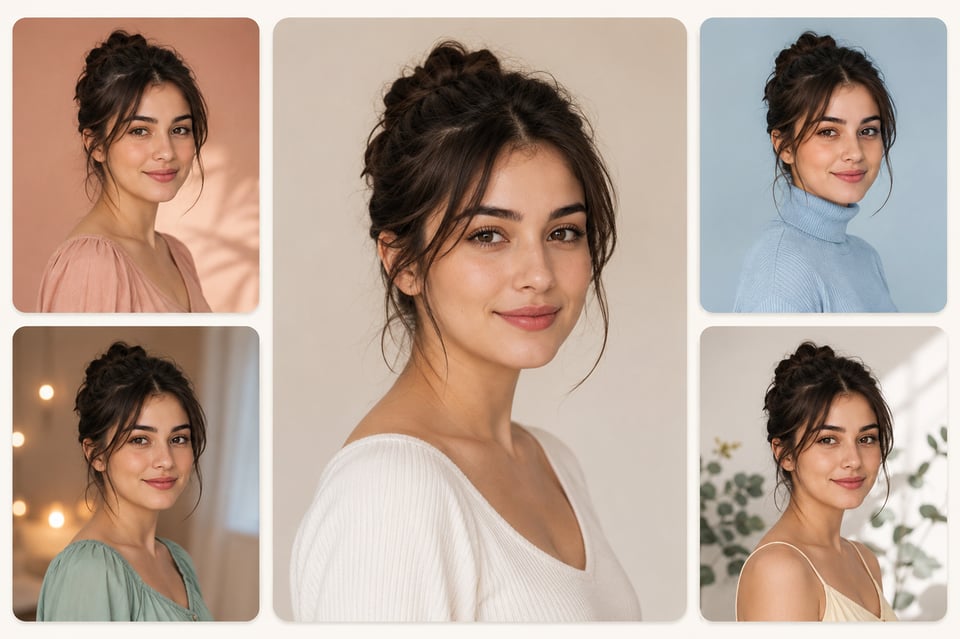
Image variation becomes more useful when the output keeps the right elements stable. With an Image To Image API, a single input image can be used to generate multiple versions while maintaining key references such as character identity, product structure, pose, layout, or brand direction. Developers can support controlled variation for campaign assets, product previews, character design, avatar systems, and creative testing without producing disconnected or random-looking results.
A Magia da API Image To Image: De Edições Simples a Transformações Visuais
Transformação de Estilo de Imagem
Substituição de Fundo
Remoção de Objetos e Limpeza de Imagens
Compare as APIs de Geração de Imagem GPT Image, Nano Banana e Seedream
Image Style Transfer
Turn an existing image into a completely new visual style without losing the original idea. Image To Image API workflows can transform portraits, products, landscapes, or character images into anime, sketch, oil painting, cinematic, fantasy, 3D, pixel art, and other creative looks while keeping the main subject and structure recognizable.
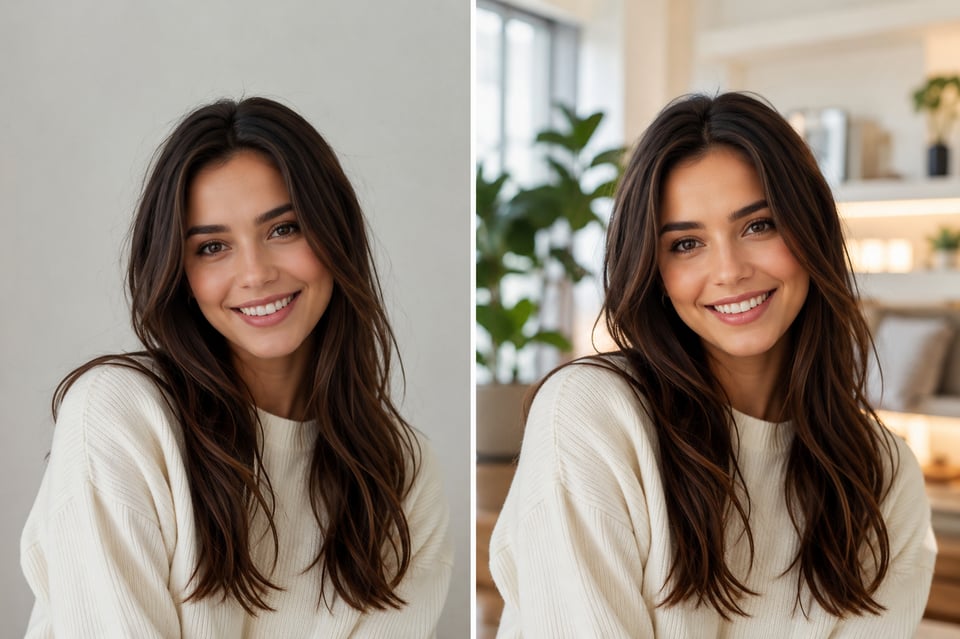
Background Replacement
Replace dull or distracting backgrounds with scenes that better match the final use case. A portrait can be placed in a studio, a product can move into a lifestyle setting, and a simple image can be rebuilt inside a more polished visual environment. This makes background editing one of the most practical Image To Image API applications for creative tools and commercial workflows.
Object Removal and Image Cleanup
Remove unwanted elements such as clutter, distracting objects, watermarks, or imperfections while keeping the overall image natural. Instead of just erasing parts of a photo, Image To Image API can regenerate surrounding areas so the final result feels cleaner, more complete, and visually consistent.
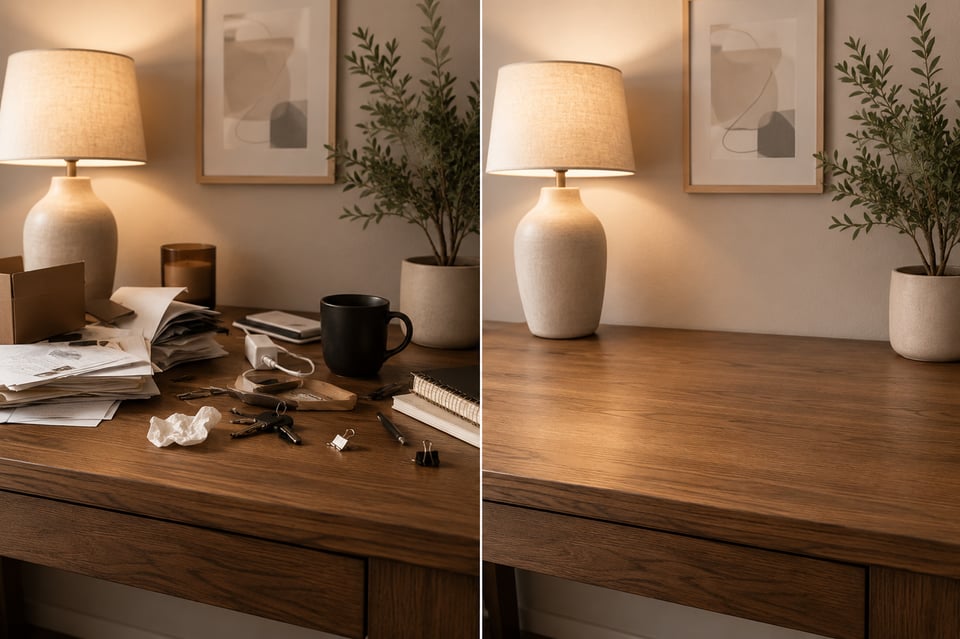
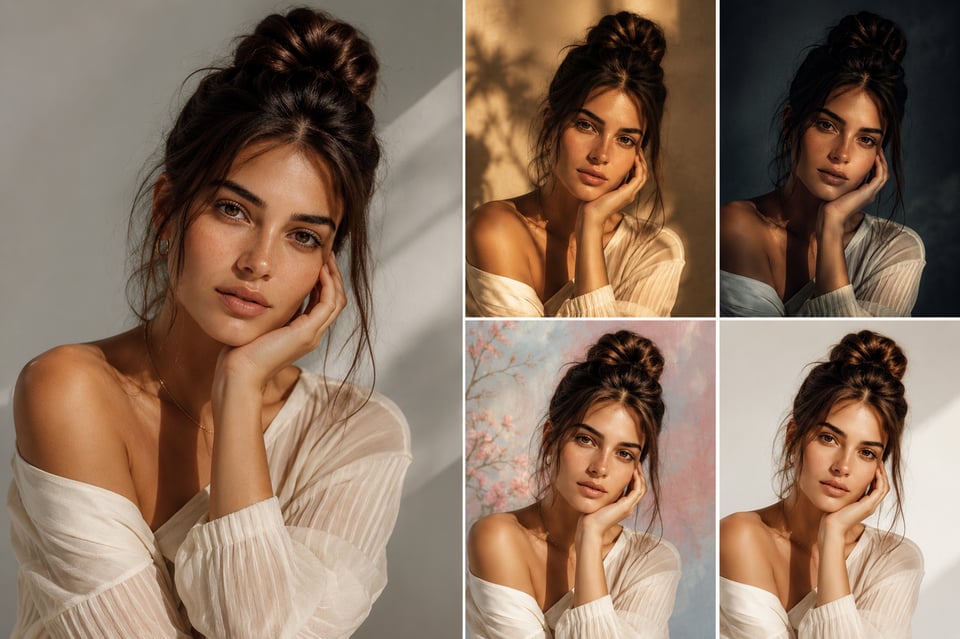
Photo Restyling
Restyle an uploaded image while preserving its original composition, subject structure, and key visual details. A photo can be reimagined with a different mood, color treatment, artistic direction, or branded aesthetic, making photo restyling a strong fit for apps that want to offer more than basic filters.
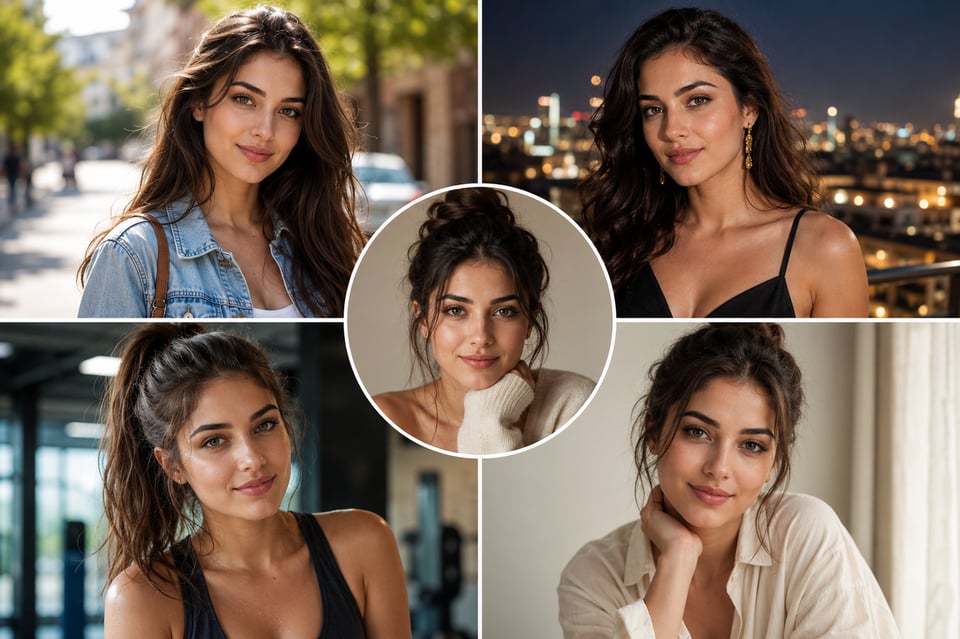
Consistent Character and Face Variations
Generate multiple variations from one source image while keeping the same face, character identity, or core layout intact. Users can explore different outfits, hairstyles, lighting, moods, or scene styles without losing continuity, which is especially useful for avatar tools, character design workflows, and visual series creation.
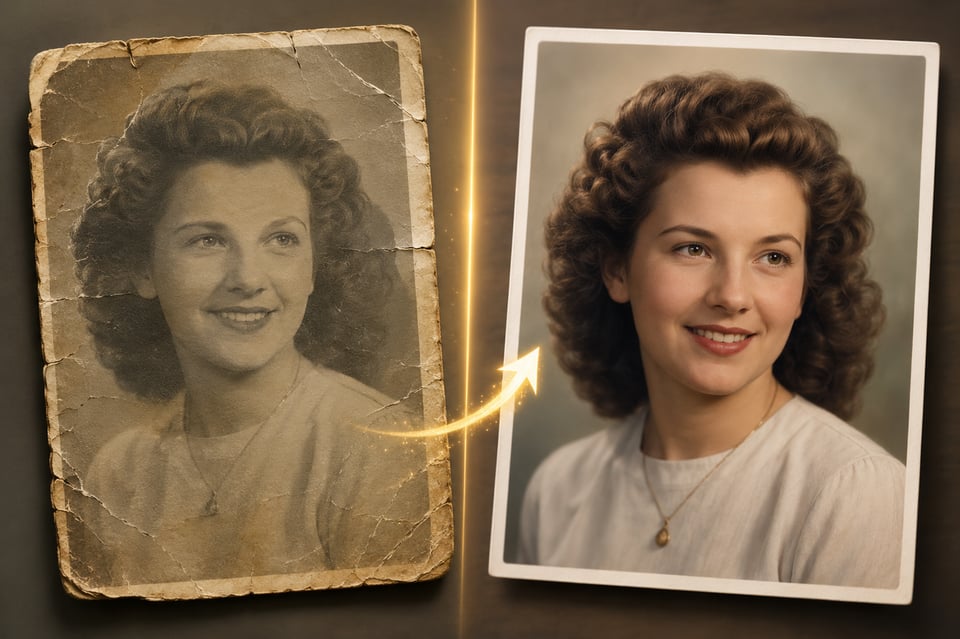
Old Photo Restoration and Enhancement
Bring faded, damaged, or low-quality images back to life through restoration and enhancement. Image To Image API can help repair scratches, improve clarity, restore missing detail, and refresh overall image quality while still respecting the original people, objects, and visual character of the photo.
Por que usar a Image To Image API com o Kie.ai?
| Dimension | GPT Image | Nano Banana | Seedream |
|---|---|---|---|
| Model Provider | OpenAI | Google DeepMind | ByteDance |
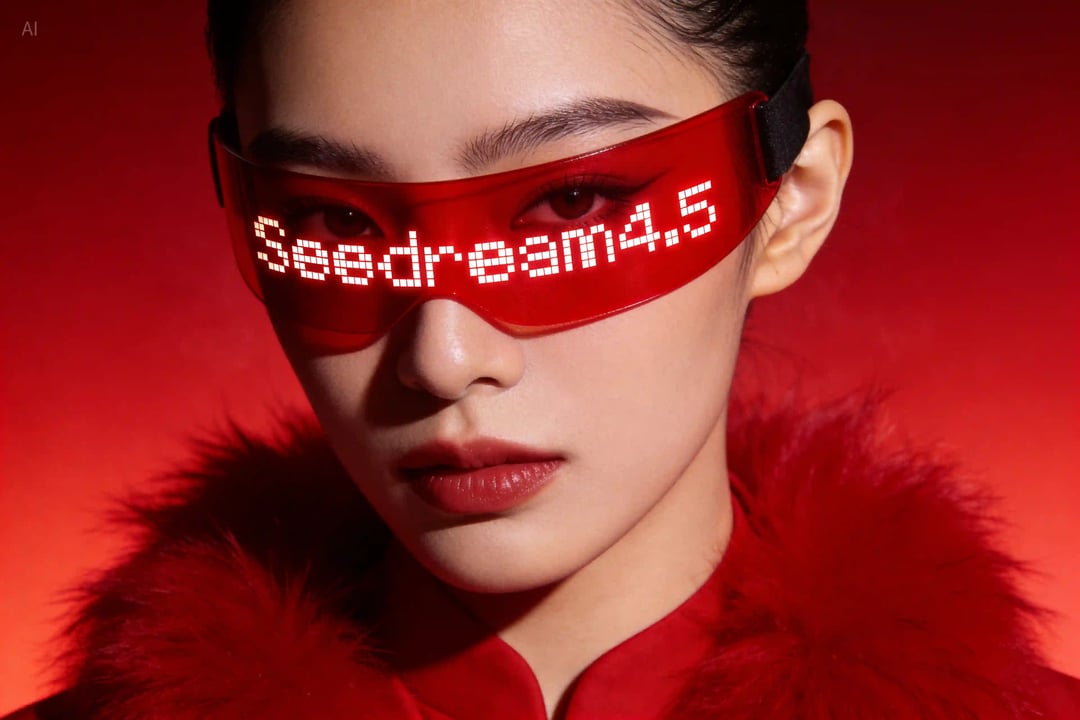
| Representative Models | GPT Image 1.5, GPT Image 2 | Nano Banana, Nano Banana Pro, Nano Banana 2 | Seedream 4.5, Seedream 5.0 Lite |
| Input Type | Supports text prompts, image inputs, and multi-image inputs for image generation and editing. | Supports text prompts, image inputs, and multi-image inputs for image generation and editing. | Supports text prompts, image inputs, and multi-image inputs for image generation and editing. |
| Output Quality | GPT Image 2 supports 1K, 2K, and 4K image output options. | Nano Banana Pro and Nano Banana 2 support 1K, 2K, and 4K image output options. | Seedream 4.5 supports 2K and 4K image output options, while Seedream 5.0 Lite supports 2K and 3K image output options. |
| Generation Speed | Generally fast for image generation and editing, but actual generation time depends on the selected model, output size, image quality setting, and prompt complexity. | Generally fast for creative iteration and image editing, but actual generation time depends on the selected model, output resolution, input type, and task complexity. | Generally fast for image generation and reference-based editing, but actual generation time depends on the selected model, output size, number of reference images, and task complexity. |
| Core Strength | Balanced image generation and prompt-based editing with strong instruction following. | Fast creative generation, multi-image fusion, and conversational image editing. | Reference-consistent image editing, commercial visuals, character consistency, and professional image quality. |
| Best For | General image generation, prompt-based image editing, product scenes, social graphics, and developer image workflows. | Fast variants, multi-image fusion, posters, social media visuals, and design-style content. | Product visuals, character consistency, reference-based editing, typography, and professional creative production. |
Why Build Image To Image API with Kie.ai
Better Value with Affordable Image To Image API Pricing
Kie.ai provides Affordable Image To Image API Pricing for developers who want to test, launch, and scale image transformation features without overspending. Whether the workflow involves image style transfer, background replacement, photo restyling, image cleanup, or visual variation, teams can control API costs more easily while still choosing the model that fits the output goal.
Complete Image To Image API Documentation
Kie.ai offers complete Image To Image API documentation to help developers move from testing to deployment with less friction. The docs cover the key parts of API integration, including authentication, model selection, request setup, image input, prompt usage, response handling, and deployment guidance, making it easier to connect Image To Image API workflows to real products.
24/7 Image To Image API Service
Kie.ai supports 24/7 Image To Image API service for teams that need stable access to image transformation capabilities. Developers can build user-facing image editors, creative tools, e-commerce workflows, and internal automation systems with API availability that supports continuous testing, generation, and production use.
Multiple Advanced 30+ Image To Image API Models
Kie.ai provides access to multiple advanced Image To Image API models, including popular options such as GPT Image API, Nano Banana API, and Seedream API. Instead of relying on one fixed model, developers can choose the right option for prompt-based editing, photo restyling, image style transfer, source image preservation, or creative visual transformation.