
指示駆動型の動画編集APIによる高精度なローカル編集
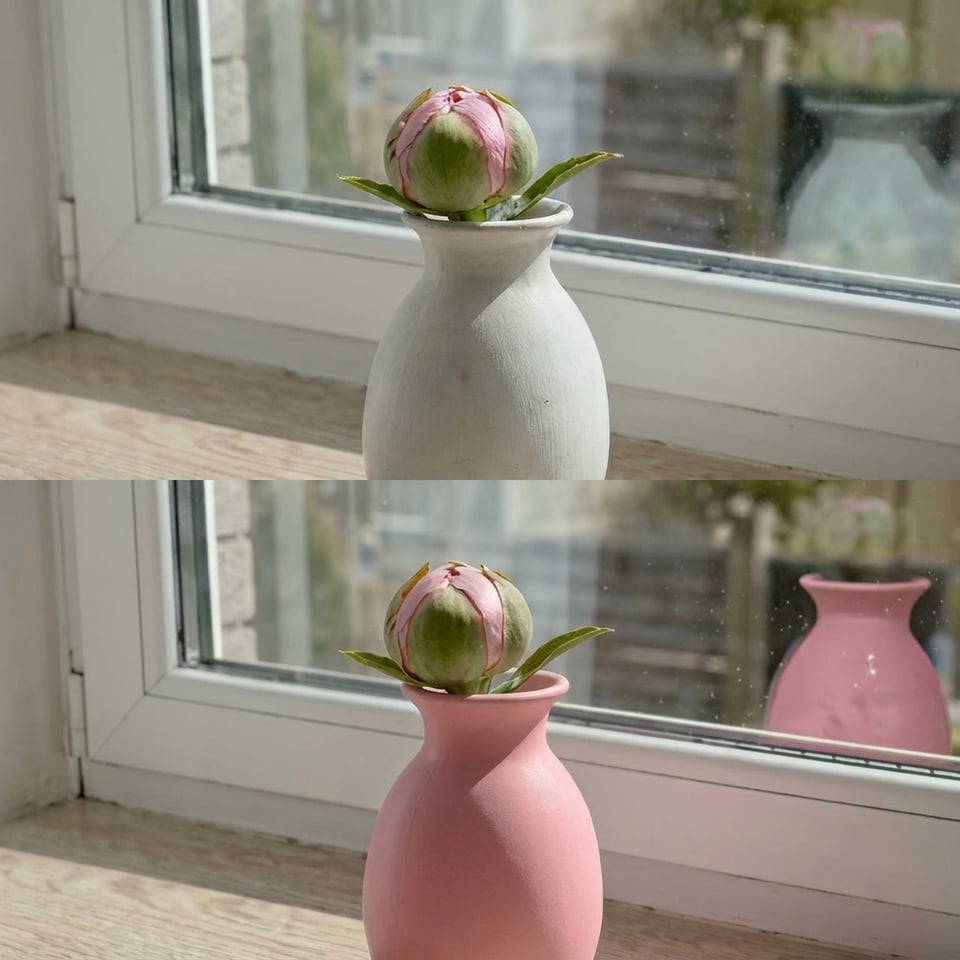
自然言語の1つの指示を送信することで、既存の動画素材を編集できます。オブジェクト置換、スタイル変換、カラーリング、アーカイブ修復など、自動化されたAI動画エディターワークフローを構築できます。開発者は動画全体を再レンダリングすることなく、迅速なクリエイティブな反復とローカルシーンの調整が可能です。
Seedance 2.5 on KIE is ByteDance’s upgraded AI video model, built for longer, more controllable video generation. It supports up to 30-second videos, multimodal references, precise editing, and improved consistency for more cinematic and production-ready creative workflows.
Wan3.0 is Alibaba’s next-generation all-in-one video generation model built for multimodal creation. It supports text, image, video, audio, and structured references to produce more consistent, realistic, and controllable video content with enhanced storytelling and editing capabilities.
Seedance 2.0 on KIE is a multimodal Al video model by ByteDance, optimized for fast and realistic video generation. It supports high-quality virtual human video creation with strong multi-shot consistency, enabling more lifelike and cinematic outputs across scenes.
GPT Image 2 is OpenAI’s next-gen image model built for stronger photorealism, cleaner image editing, sharper text rendering, and more polished product photography. Designed for more advanced visual workflows, it pushes image generation beyond basic text-to-image output and into higher-quality creative, commercial, and design-ready use cases.
Meet Nano Banana 2, Google’s Gemini 3.1 Flash Image model, now available via Kie AI API. Built for developers, it combines lightning-fast speed with Pro-level quality, accurate text rendering, strong character consistency, and scalable image generation and editing workflows.
Grok 4.6 is xAI’s latest frontier AI model, designed to enhance long-running agents, advanced reasoning, coding intelligence, and interactive AI experiences. Building on Grok 4.5, it delivers improved performance for complex multi-step tasks, knowledge work, software engineering, and creative applications.
Gemini Omni 1.2 Flash is Google's updated Gemini Omni Flash model for generating and editing video with native, synchronized audio from text, image and video inputs. Google says it extends clips to 15 seconds, adds multi-turn conversational editing and follows references more closely than Gemini Omni 1.1 Flash.
Wan 2.7 Video API is Alibaba Tongyi Lab's AI video suite, covering four generation modes — Text-to-Video, Image-to-Video, Reference-to-Video, and Video Edit. It supports full-modality input (text, image, video, audio) and outputs 720P–1080P video. Access all four modes through a single API on Kie.ai.
Seedance 2.0 on KIE is a multimodal Al video model by ByteDance, optimized for fast and realistic video generation. It supports high-quality virtual human video creation with strong multi-shot consistency, enabling more lifelike and cinematic outputs across scenes. With efficient generation speed, Seedance 2.0 typically averages around ~5 minutes per generation, while Seedance 2.0 Fast averages around ~4 minutes - making it a reliable choice for scalable, real-time content production.
製品にプログラム可能な動画編集・変換パイプラインを統合。Kie.aiの統一APIを使用して既存の映像を修正し、モーションの境界を正確にフレーミングして制御、視覚効果を再現し、スケールしてポストプロダクションワークフローを最適化できます。
自然言語の1つの指示を送信することで、既存の動画素材を編集できます。オブジェクト置換、スタイル変換、カラーリング、アーカイブ修復など、自動化されたAI動画エディターワークフローを構築できます。開発者は動画全体を再レンダリングすることなく、迅速なクリエイティブな反復とローカルシーンの調整が可能です。
完全なプロンプトを再構築することなく、段階的に動画を修正できる繰り返し修正機能をサポートします。時間的整合性を保ちながら、環境の変更、アクションの更新、被写体の置換、カメラ角度の調整、専門的な視覚効果の重ね合わせなど、繰り返しシーンを洗練させることができます。
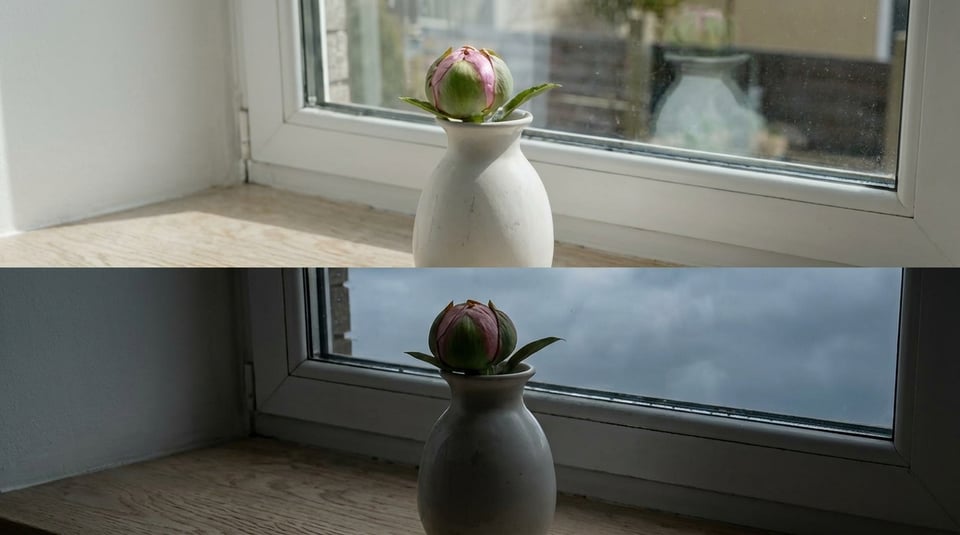
プログラマブルな自然言語による入力で既存クリップの空間的雰囲気を変更できます。映画風の照明設定の調整、天候条件の変更、カメラ視点のシームレスな変更が可能です。この機能は、事前録画されたメディアの視覚的ムードや背景環境を変更する必要があるプロダクションパイプラインに最適です。
参考クリップから芸術的な視覚効果、編集テンポ、トランジションスタイルを学習できます。自動化されたワークフローで、ホイップパン、マッチカット、スタイリッシュなリベールなどの映画制作における専門的な技術を再現できます。
プロダクションレベルの安定性を実現する、常に利用可能な技術サポートを提供します。Kie.aiは、TelegramおよびDiscord上でエンタープライズチーム専用のプライベートチャネルを設け、リアルタイムの技術エージェントによるエンジニアリングサポートを提供します。即時に対応可能として、生産のボトルネックの解決、ウェブフックコールバックのトラブルシューティング、サーバーログの分析、非同期タスクパイプラインのデバッグが可能です。
包括的でクリーンなAPIリファレンスにより、エンジニアリング統合をスムーズにします。ドキュメントにはJSONペイロードの構造例、正確なエラーコードマッピング、各エンドポイントの明確な戻りパラメータ説明が含まれています。

単位秒あたりの料金で開発予算を効率的に管理できます。Kie.aiは明確なクレジットベースの請求システムを提供し、初期段階の製品テストから大規模なエンタープライズ展開まで、最大限のコスト効率を実現します。この手頃な価格設定により、開発チームは高負荷な自動後製品パイプラインを、過剰なインフラコストなしにスケールアップできます。
内部インフラを常に再構築せずに、急速に変化する業界の動向を先取りできます。Kie.aiは世界の生成型メディア環境をモニタリングし、最新の動画対動画、指示ベース、フレーム制御モデルを市場ディレクトリに即時反映します。この継続的なパイプライン統合により、アプリケーションは市場の競合よりも最先端の編集機能を常に提供できます。
統合コードを書く前に、WebベースのPlaygroundでプロンプトと既存の映像を直接テストできます。Kie.aiでは登録時に無料のテストクレジットを提供しており、エンジニアチームがサンプルファイルをアップロードし、自然言語による編集指示を適用し、安全なテスト環境で動画出力を事前に確認できます。
さまざまなアーキテクチャエンドポイントが、あなたの特定のアセット要件をどのように処理するかを評価してください。指示に従ったローカル編集にはWan 2.7、マルチターンの変更にはGemini Omni、正確なフレームとリズム制御にはSeedance 2.0をご利用いただけます。複数のモデルを比較することで、レンダリング速度、視覚品質、クレジット効率の最適なバランスを選択できます。
開発者ダッシュボード内で認証情報の管理を確認し、選択したエンドポイントを本番バックエンドに接続してください。構造化されたAPIドキュメントを参考に、非ブロッキング非同期タスクパイプライン(セキュアなファイルアップロード、固有のタスクステータスIDルーティング、自動ウェブフックコールバックなど)を展開し、製品の自動化された動画ワークフローを実現してください。
Stay ahead of rapid industry advancements without continuously rebuilding your internal infrastructure. Kie.ai monitors the global generative media landscape to instantly integrate the latest video-to-video, instruction-based, and frame-control models into the marketplace directory. This continuous pipeline integration ensures your applications always deploy cutting-edge editing capabilities ahead of market competitors.
Virtual production platforms and digital media teams use the platform to alter the spatial atmosphere of existing footage without manual relighting. By implementing automated AI Video Editor Workflows, the system decodes the implicit depth maps and 3D geometries of raw source files to instantly execute local environmental modifications—such as shifting cinematic lighting setups, transforming a clear outdoor scene into a rainy backdrop, or adjusting shadow casting to seamlessly match synthetic overlays.
Global marketplaces use the AI Video Editing API to scale cross-border marketing assets without expensive reshoots. By deploying an instruction-driven Video Edit API, development teams can build automated pipelines that replace clothing items, update packaging text, or swap studio backdrops for regional campaigns while maintaining the exact lighting and motion paths of the original source footage.
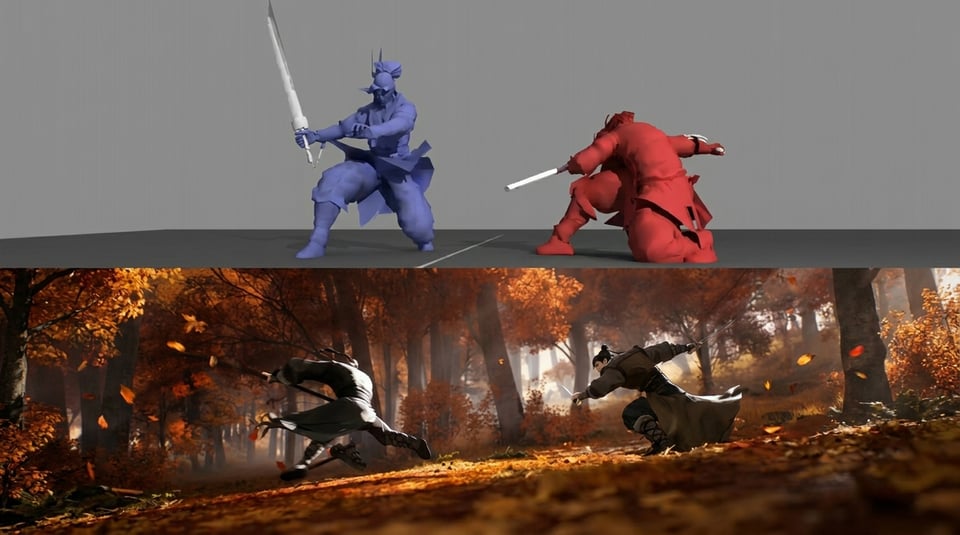
Film studios and digital agency developers utilize the specialized frame-control features of the Video Editing API to optimize time-intensive pre-visualization pipelines. By enforcing strict initial and terminal keyframe constraints through the platform, automated storyboarding systems can direct precise character trajectories, stabilize complex motion paths, and replicate professional cinematic rhythms.
Historical documentation archives and broadcast media networks use the AI Video Editor API to breathe new life into vintage motion pictures. By deploying a specialized Video-to-Video API pipeline, development teams can automate the removal of severe film grain, repair emulsion scratches, and correct temporal color degradation across millions of archival frames while preserving the structural integrity of the original source material.
Yes. Kie.ai provides complimentary credits for new users upon registration. This allows development teams to test our AI Video Editing API models directly in the online Playground and validate rendering performance before integrating endpoints into their production workflows.
The Kie.ai marketplace integrates including Wan 2.7, Gemini Omni and and other Video Editing API models selection of industry-leading s, . Instead of maintaining multiple vendor infrastructures, developers can access these diverse architectures through a single, unified interface layer.
Yes. Developers utilize the Kie.ai developer platform to build full-scale AI Video Editor Workflows, cloud-based creation tools, programmatic e-commerce automation systems, localized marketing tools, and interactive short-form video generation apps.
You can execute post-production modifications by sending an instruction-driven request to our Video Edit API. The underlying model processes your natural language prompts or image references to swap specific objects, apply visual restyling, or adjust environments across the timeline.
Yes. Because Kie.ai abstracts different backend architectures into a unified endpoint structure, it is incredibly easy to build an online multi-model platform. You can provide end-users with flexible options to toggle between different video engines for speed or cinematic quality with zero extra backend code.
The best choice depends on your specific balance of rendering latency, budget boundaries, and visual fidelity. Kie.ai offers a versatile ecosystem: deploy Wan 2.7 for fast instruction-based local edits, Seedance 2.0 for lifelike virtual humans.