

Seedance 2.5 on KIE is ByteDance’s upgraded AI video model, built for longer, more controllable video generation. It supports up to 30-second videos, multimodal references, precise editing, and improved consistency for more cinematic and production-ready creative workflows.
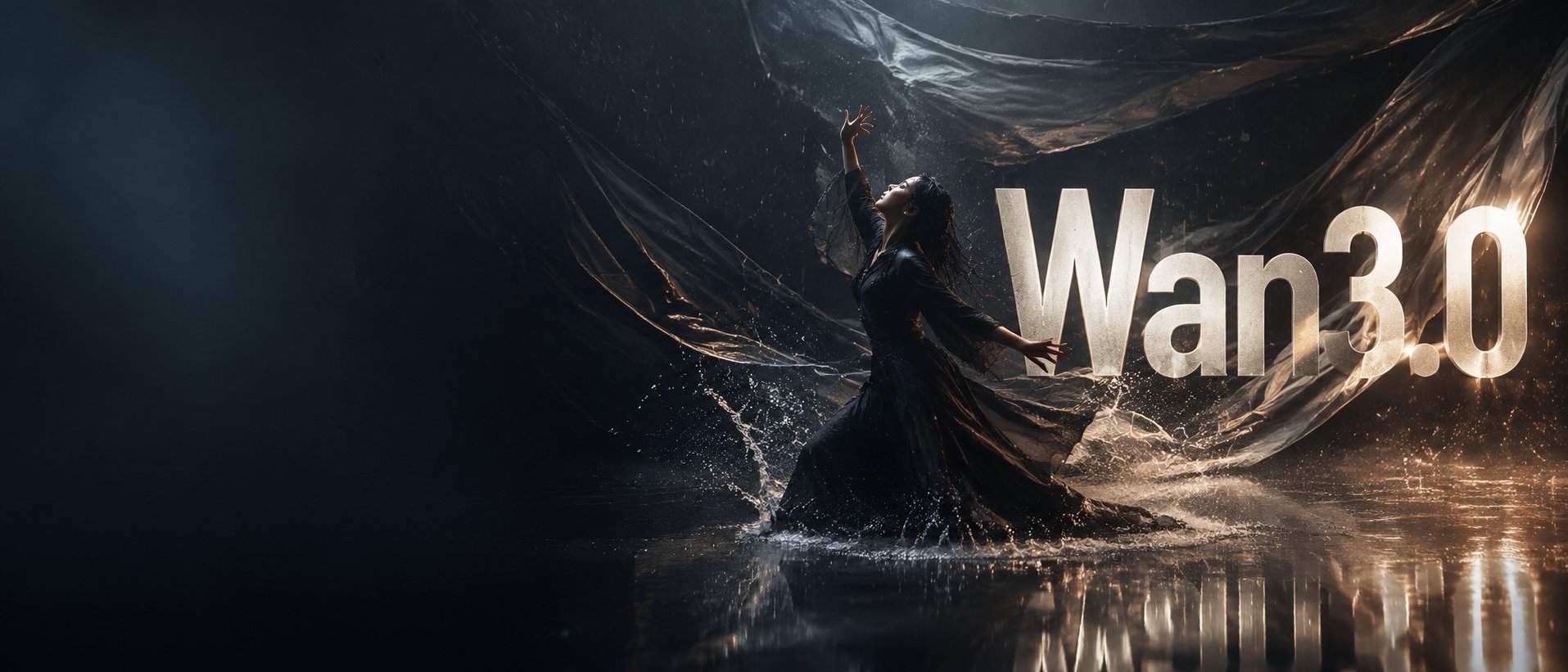
Wan3.0 is Alibaba’s next-generation all-in-one video generation model built for multimodal creation. It supports text, image, video, audio, and structured references to produce more consistent, realistic, and controllable video content with enhanced storytelling and editing capabilities.
Seedream 5.5 is ByteDance Seed's image creation model, released on November 9, 2026. It keeps unedited regions intact across up to 100 rounds of editing, generates images with transparent backgrounds natively, and renders more realistic textures and dense small text.
OpenAI introduces GPT-6.2 Astra as its frontier model for the hardest projects, released on November 17, 2026. It accepts text and image inputs across a 1,050,000-token context window (up to 922,000 input tokens and 128,000 output tokens) and delivers cleaner code, better frontends and 3D models, and better results on demanding tasks with fewer output tokens. On Kie.ai it currently supports chat requests only.
Claude Opus 5.5 is Anthropic's first model in the Claude 5.5 family, delivering frontier-level performance in agentic coding, computer use, and knowledge work. With faster output, clearer communication, and significantly improved computational efficiency, it brings advanced intelligence to demanding, multi-step tasks.
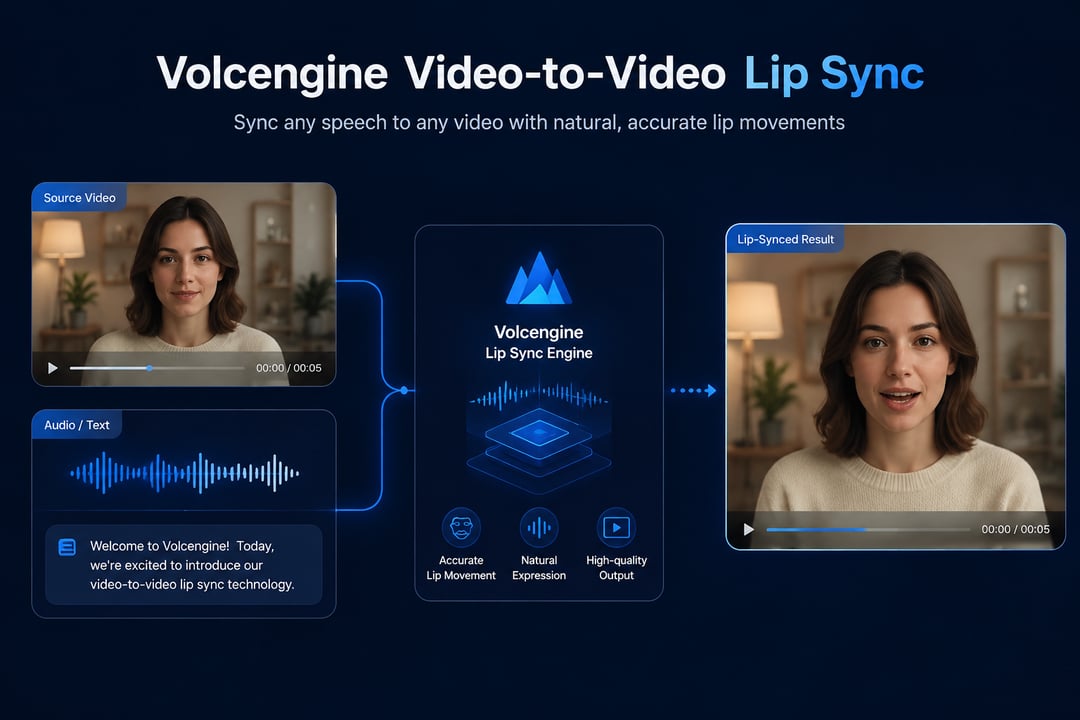
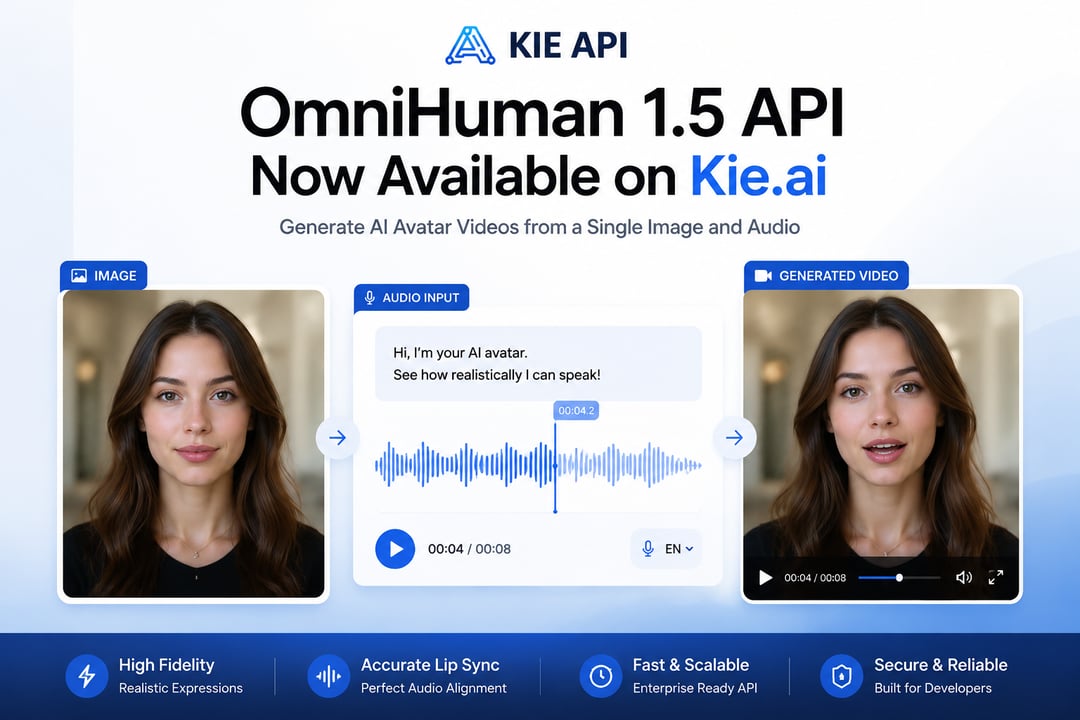
Seedance 2.0 on KIE is a multimodal Al video model by ByteDance, optimized for fast and realistic video generation. It supports high-quality virtual human video creation with strong multi-shot consistency, enabling more lifelike and cinematic outputs across scenes. With efficient generation speed, Seedance 2.0 typically averages around ~5 minutes per generation, while Seedance 2.0 Fast averages around ~4 minutes - making it a reliable choice for scalable, real-time content production.
Multiple Lip Sync API Models for AI Talking Video Generation
Use Kie.ai to explore multiple Lip Sync API models for natural mouth movement, talking avatars, multilingual speaking videos, and scalable AI video generation.
Multiple Lip Sync API Models for Flexible AI Talking Video Creation
Seedance 2.0 API
Seedance 2.0 API is built for high-quality AI video generation with strong motion control, scene consistency, and reference-based creation. Its Lip Sync API use cases are suitable for teams creating cinematic presenter clips, character videos, branded visual content, and polished AI video experiences.
Kling AI Avatar 2.0 API
Kling AI Avatar 2.0 API is designed for avatar-style speaking videos and AI presenter generation. As a Lip Sync API option, it works well for virtual spokespersons, multilingual avatar content, education videos, onboarding videos, and customer-facing AI video experiences.
InfiniTalk API
InfiniTalk API focuses on speech-based talking video and synchronized mouth movement. As a Lip Sync API option, it is suitable for AI avatars, talking character content, creator tools, education products, and AI video platforms that need natural-looking speaking results.
Key Features of AI Lip Sync API
Turn Static Photos into Talking Videos with Lip Sync API
Lip Sync API can animate a face image, avatar portrait, or character visual into a talking video with synchronized mouth movement. Instead of relying on a recorded speaking performance, users can start from a still image and generate more engaging content for AI avatars, profile videos, digital presenters, character clips, and social media posts.
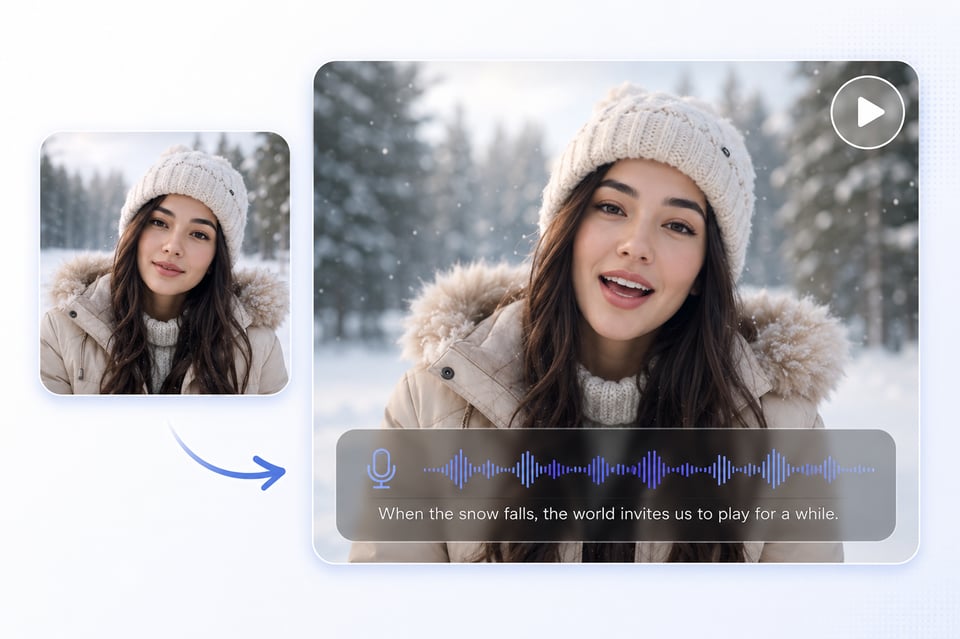
Audio-Synchronized Lip Sync API That Matches Speech Timing and Mouth Motion
A strong Audio-Synchronized Lip Sync API focuses on the relationship between sound and visible mouth movement. It can follow speech rhythm, pauses, pronunciation, and timing so the final video feels more connected to the voice, whether the subject is a human-style presenter, avatar, animated character, or branded digital spokesperson.
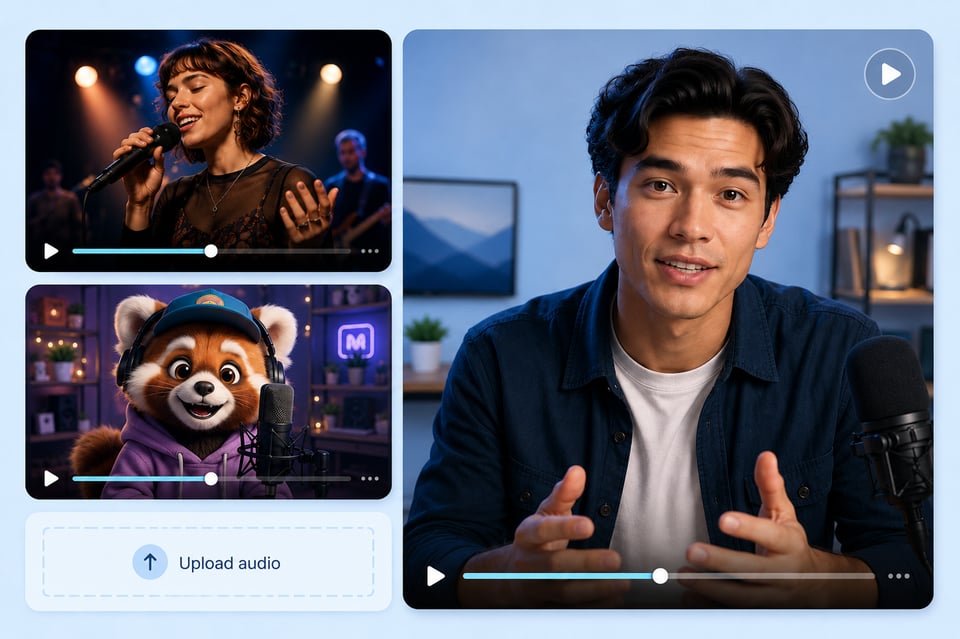
More Realistic AI Lip Sync API Results for Expressions, Angles, and Natural Motion
A Realistic AI Lip Sync API should create more than basic mouth opening and closing. Better lip-sync results depend on smoother mouth shapes, natural facial timing, expression consistency, and stable motion when the subject has slight head turns, stylized features, or avatar-like facial structure.
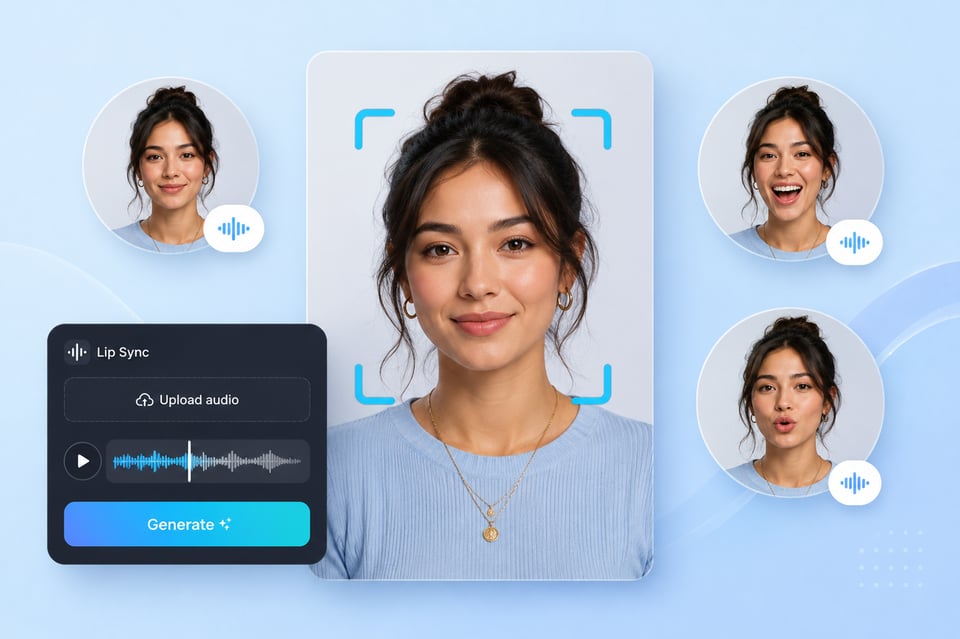
Multilingual Lip Sync API for Global Talking Video Creation
Multilingual Lip Sync API can support speaking videos across different languages, voices, and audience markets. It is useful for localized avatar presenters, international education content, global marketing videos, creator tools, and AI video products where the mouth movement needs to stay aligned with the selected speech.
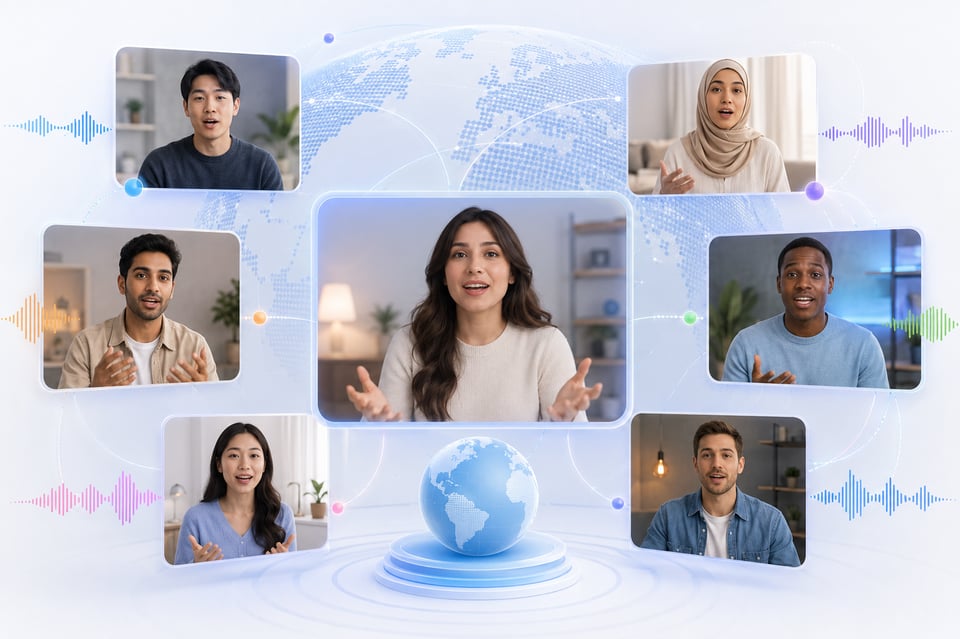
How to Integrate Lip Sync API on Kie.ai
Step 1: Sign Up and Get Your Lip Sync API Key
Step 2: Test Lip Sync API Models with Free Credits
Step 3: Select the Right Lip Sync API Model
Step 4: Configure Inputs for Lip Sync API Requests
Step 5: Call Lip Sync API and Retrieve Video Output
Where Lip Sync API Fits in AI Video Products
AI Avatar Presenter Videos with Lip Sync API
Lip Sync API is suitable for avatar presenter videos used in product explainers, SaaS onboarding, customer support introductions, and brand communication. A virtual spokesperson can deliver prepared audio with synchronized mouth movement, making the final video feel more direct and easier to understand.
Multilingual Speaking Content Powered by AI Lip Sync API
AI Lip Sync API can support localized speaking videos for different languages and audience markets. It works well for global marketing clips, cross-border creator content, training videos, and education materials where the same avatar, presenter, or character needs to speak naturally in multiple languages.
Social Media Talking Characters with LipSync API
LipSync API can be used for short-form talking characters, creator avatars, reaction videos, meme-style clips, and profile-based speaking content. This use case is especially useful when a portrait, mascot, character, or avatar needs expressive mouth movement for TikTok, Reels, Shorts, and other social formats.
Education and Training Videos Using Lip Sync API
Lip Sync API can help create instructor-style videos, course explainers, language learning clips, tutorial content, and internal training materials. By aligning speech with mouth movement, AI Lip Sync API can make educational video content feel more engaging than audio-only narration or static slide-based delivery.
Why Choose Kie.ai for Lip Sync API Integration
Multiple Lip Sync APIs with Timely Model Updates
Kie.ai provides access to multiple Lip Sync APIs, allowing teams to compare different models for avatar videos, talking characters, presenter clips, and audio-synchronized content. As new AI video and lip-sync models become available, Kie.ai keeps expanding and updating its API options, so products can stay closer to current model capabilities without rebuilding the entire integration.
Affordable Lip Sync API Pricing for Scalable Video Creation
Cost matters when lip-synced videos need to be generated repeatedly. Kie.ai offers practical Lip Sync API Pricing for teams building creator tools, avatar platforms, education products, marketing systems, and AI media applications. This makes it easier to test different models, control generation costs, and scale video creation with a more predictable API budget.
Complete LipSync API Documentation for Faster Integration
Clear documentation reduces integration friction. Kie.ai provides complete LipSync API documentation to help teams understand authentication, request structure, input requirements, model selection, response handling, and video result retrieval. This gives technical teams a more direct path from API testing to product deployment.
24/7 AI Lip Sync API Service for Reliable Production Use
Kie.ai supports 24/7 AI Lip Sync API service for products that need consistent access to lip-sync generation. Whether the use case involves social video tools, multilingual avatar content, learning platforms, or automated video systems, continuous API availability helps keep generation workflows stable for users across different regions and time zones.
FAQs About Lip Sync API
Can I test Lip Sync API before integrating it?
Yes. You can test available Lip Sync API models on Kie.ai with the credits in your account before full integration. This helps you review mouth synchronization quality, input requirements, processing behavior, and output style before choosing a model for your product.
What input does Lip Sync API usually require?
A typical Lip Sync API workflow requires a face-based visual input and speech audio. Depending on the selected model, the visual input may be a face video, avatar clip, character video, or portrait-style source, while the audio may come from recorded speech, narration, or AI-generated voice. The exact input format, required fields, media limits, and supported parameters should follow the documentation of the specific Lip Sync API model you choose.
Can Lip Sync API create talking avatar videos?
Yes. Lip Sync API can be used to create talking avatar videos where a digital presenter, virtual spokesperson, or character appears to speak in sync with the provided audio. This is useful for product explainers, onboarding videos, education content, customer support clips, and creator tools.
Does AI Lip Sync API support multilingual speaking videos?
AI Lip Sync API can support multilingual speaking video creation when the provided audio is in different languages. This makes it useful for localized avatar presenters, international marketing videos, education materials, training content, and global creator content.
Is LipSync API suitable for social media video products?
Yes. LipSync API is suitable for short-form talking videos, character clips, creator avatars, profile-based videos, meme-style content, and social media formats such as Shorts, Reels, and TikTok-style videos. It helps make face-based video content feel more expressive and speech-aligned.
How do I choose the right Lip Sync API model?
The right Lip Sync API model depends on your input type, desired visual style, speaking effect, and product scenario. Avatar presenter videos, cinematic speaker clips, character content, education videos, and social media talking videos may each require different model behavior.
Can Lip Sync API be used in production video applications?
Yes. Lip Sync API can be integrated into video editors, avatar platforms, creator tools, education products, marketing systems, and AI media applications. For production use, it is better to test model output, input compatibility, request structure, and usage cost before scaling.