Seedance 2.5 on KIE is ByteDance’s upgraded AI video model, built for longer, more controllable video generation. It supports up to 30-second videos, multimodal references, precise editing, and improved consistency for more cinematic and production-ready creative workflows.
Wan3.0 is Alibaba’s next-generation all-in-one video generation model built for multimodal creation. It supports text, image, video, audio, and structured references to produce more consistent, realistic, and controllable video content with enhanced storytelling and editing capabilities.
Seedance 2.0 on KIE is a multimodal Al video model by ByteDance, optimized for fast and realistic video generation. It supports high-quality virtual human video creation with strong multi-shot consistency, enabling more lifelike and cinematic outputs across scenes.
GPT Image 2 is OpenAI’s next-gen image model built for stronger photorealism, cleaner image editing, sharper text rendering, and more polished product photography. Designed for more advanced visual workflows, it pushes image generation beyond basic text-to-image output and into higher-quality creative, commercial, and design-ready use cases.
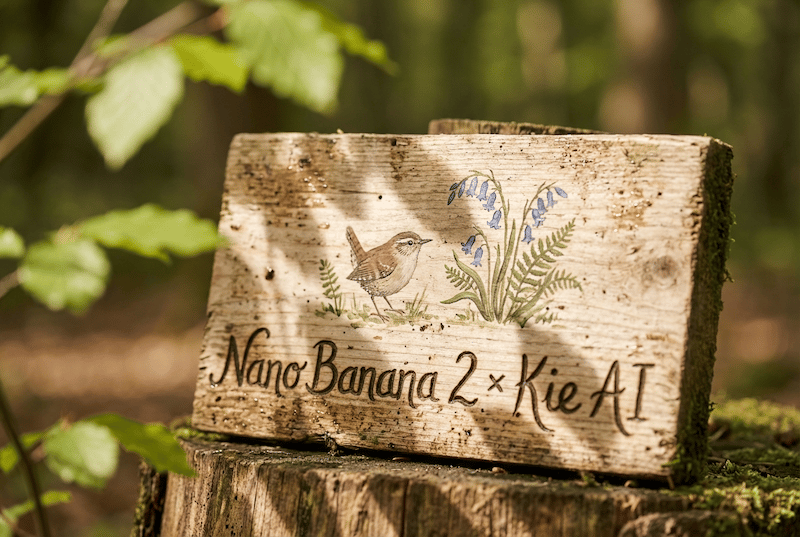
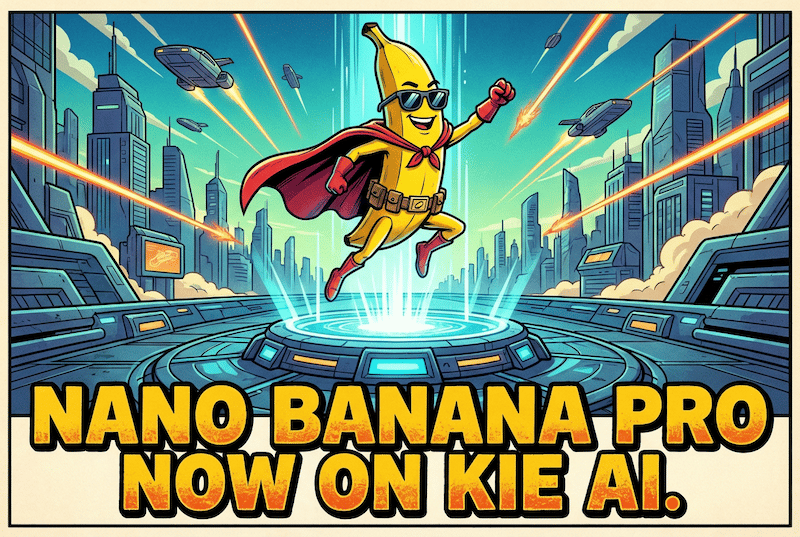
Meet Nano Banana 2, Google’s Gemini 3.1 Flash Image model, now available via Kie AI API. Built for developers, it combines lightning-fast speed with Pro-level quality, accurate text rendering, strong character consistency, and scalable image generation and editing workflows.
Grok 4.6 is xAI’s latest frontier AI model, designed to enhance long-running agents, advanced reasoning, coding intelligence, and interactive AI experiences. Building on Grok 4.5, it delivers improved performance for complex multi-step tasks, knowledge work, software engineering, and creative applications.
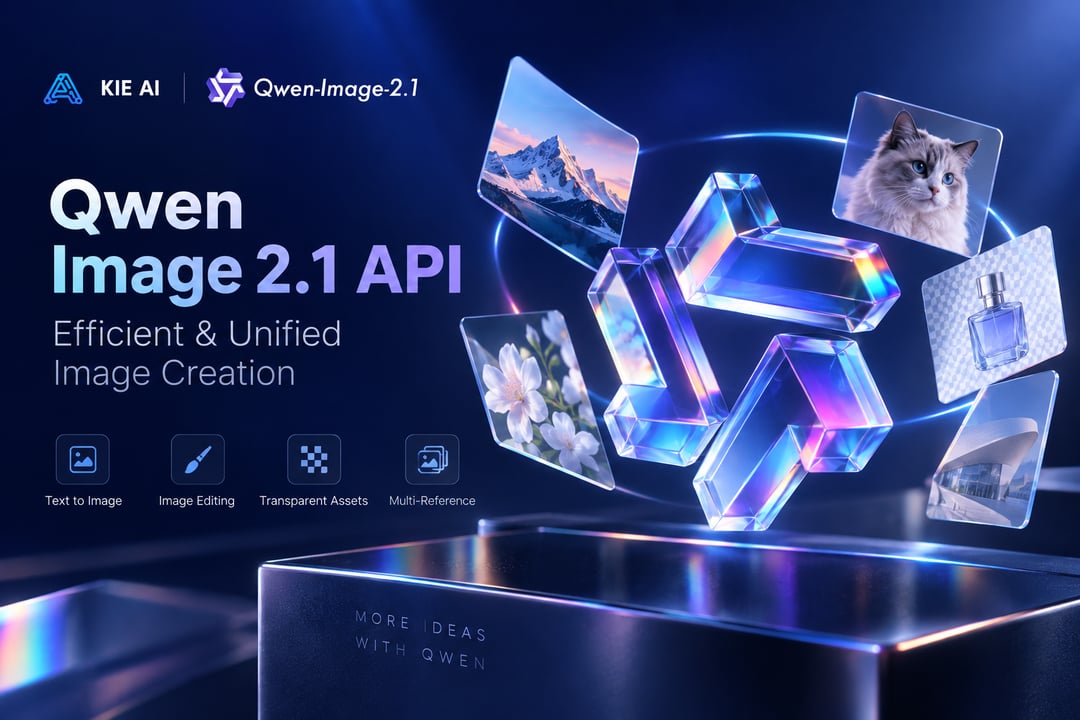
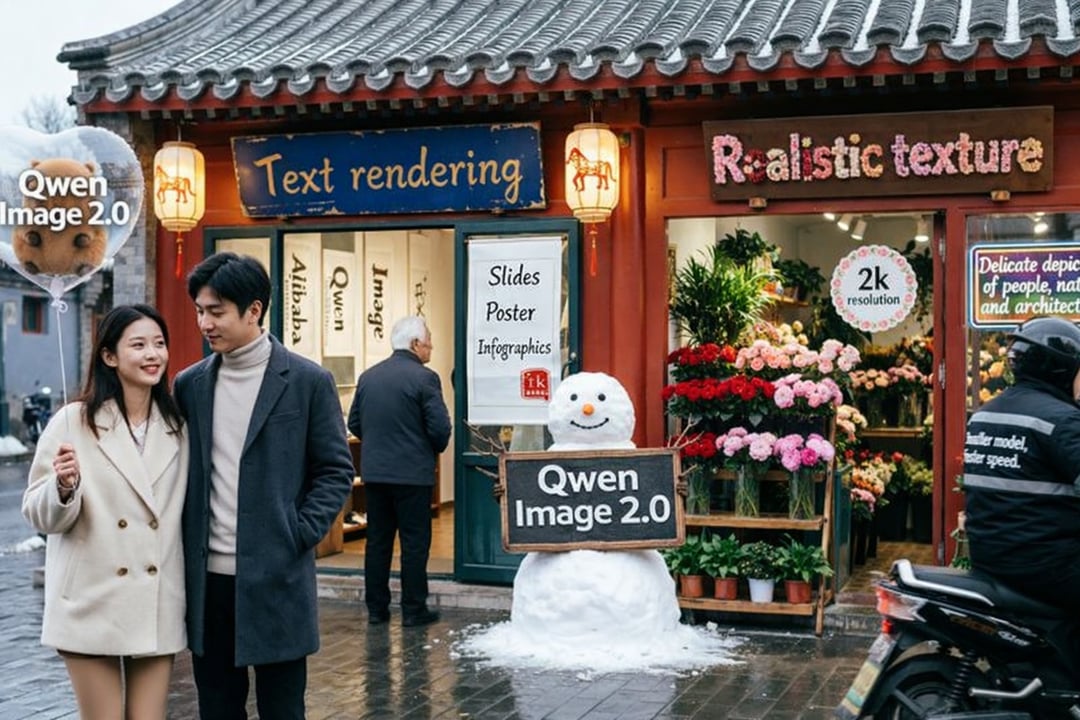
Qwen Image 2.1 is Alibaba’s compact and efficient AI image model for unified image generation and editing. It supports text-to-image creation, native transparent images, multi-reference editing with up to 10 images, local edits, and improved fidelity for people, products, and text.
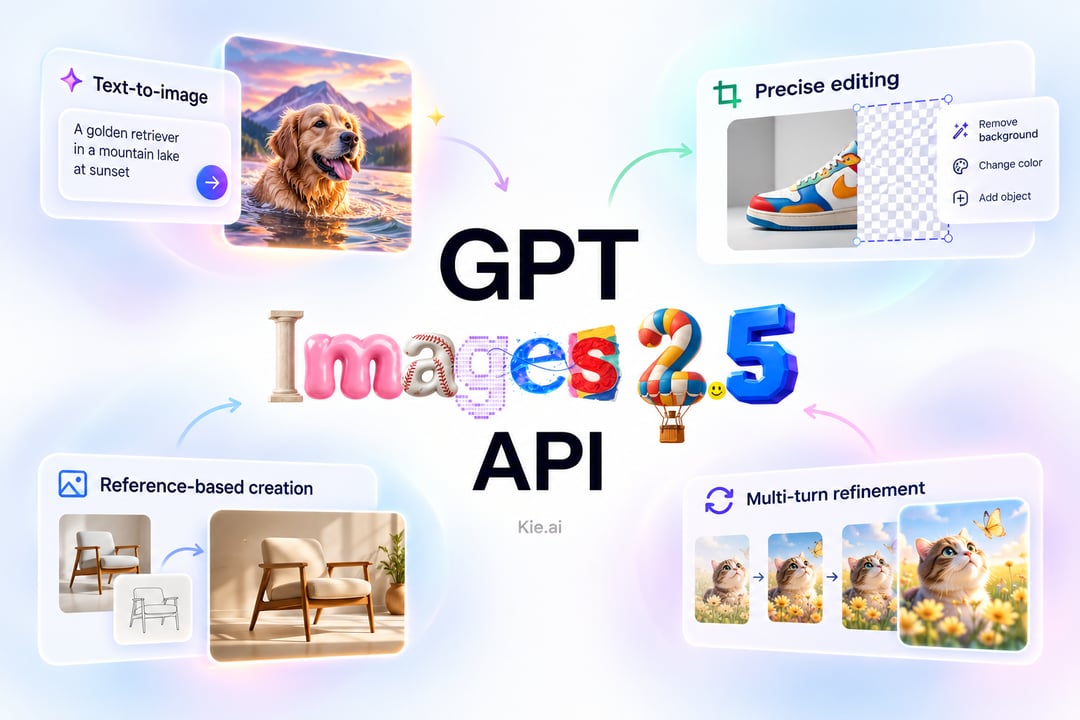
GPT Image 2.5 is an advanced image generation and editing model from OpenAI, designed for sharper visual quality, stronger reference fidelity, and more precise refinement. It delivers more natural lighting and textures, preserves recognizable subjects more consistently, and follows complex visual instructions with improved accuracy across repeated edits.
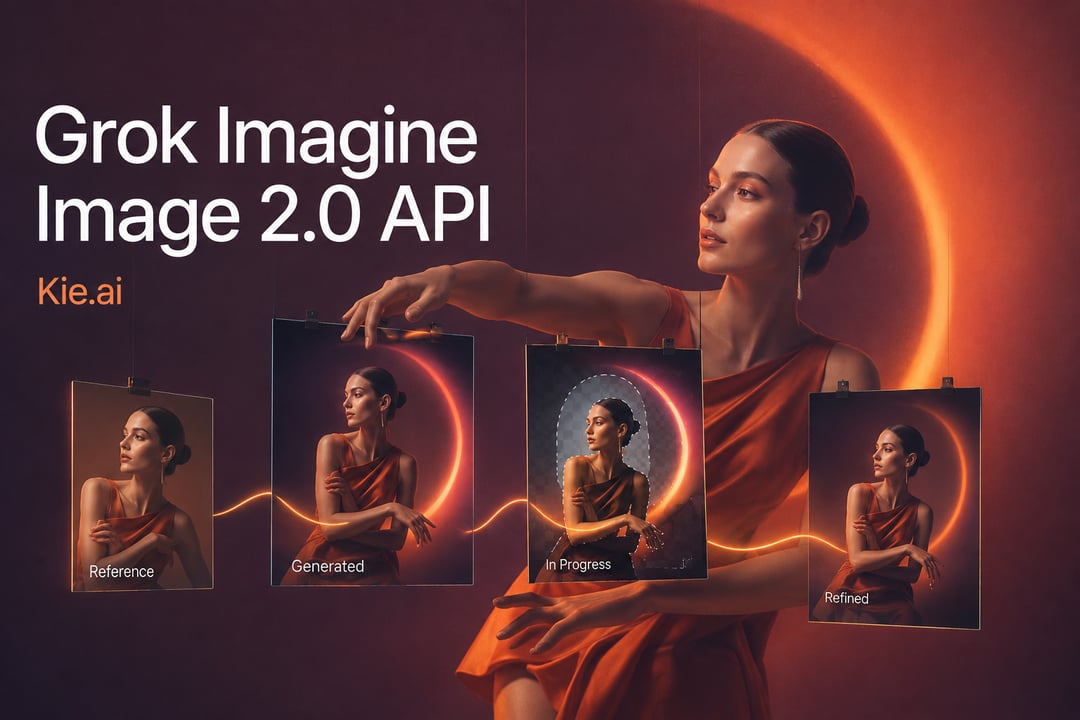
Grok Imagine Image 2.0 is xAI’s next-generation image model built for precise generation and editing. It improves instruction following, typography rendering, visual consistency, and reference-based transformation, delivering more controlled and refined image creation capabilities.

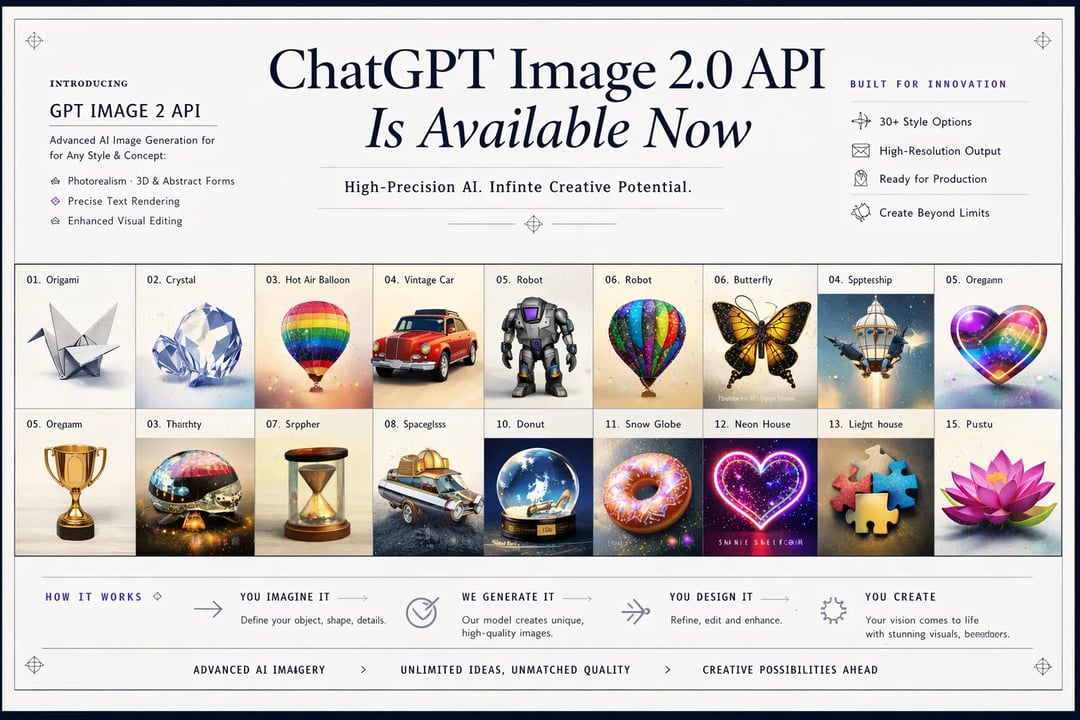
GPT Image 2 is OpenAI’s next-gen image model built for stronger photorealism, cleaner image editing, sharper text rendering, and more polished product photography. Designed for more advanced visual workflows, it pushes image generation beyond basic text-to-image output and into higher-quality creative, commercial, and design-ready use cases.
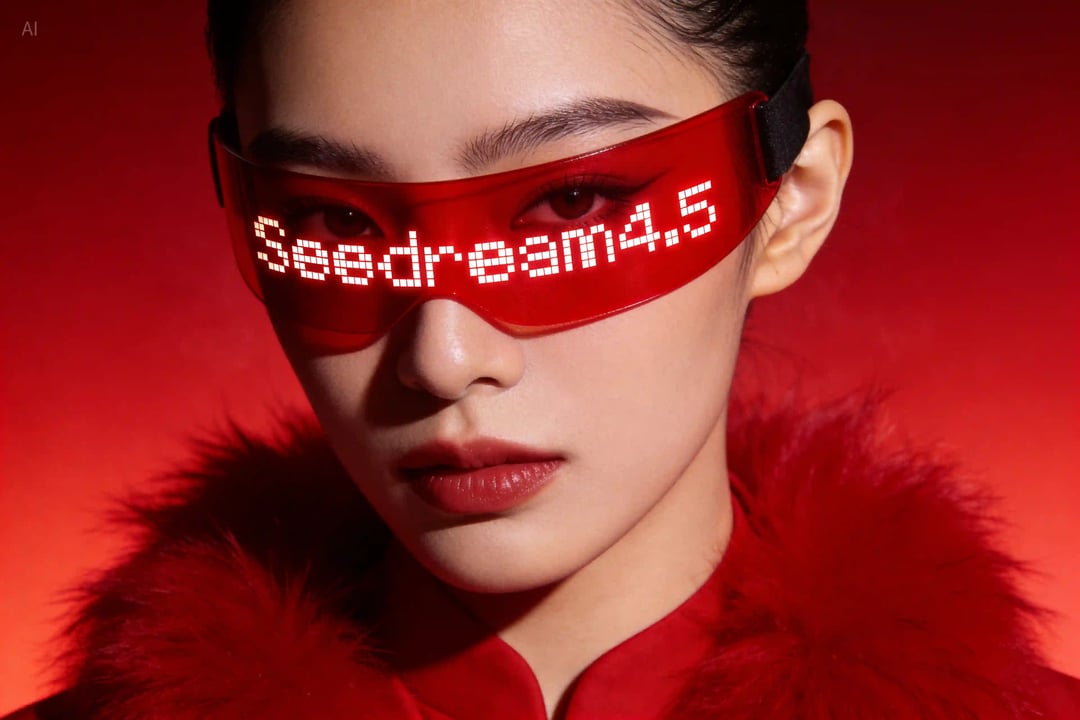
Seedream 5.0 Lite is a unified multimodal image generation model by ByteDance, designed for multimodal reasoning, deep understanding, and controllable visual creation. It supports text-to-image and image editing workflows with improved consistency and real-time knowledge integration.
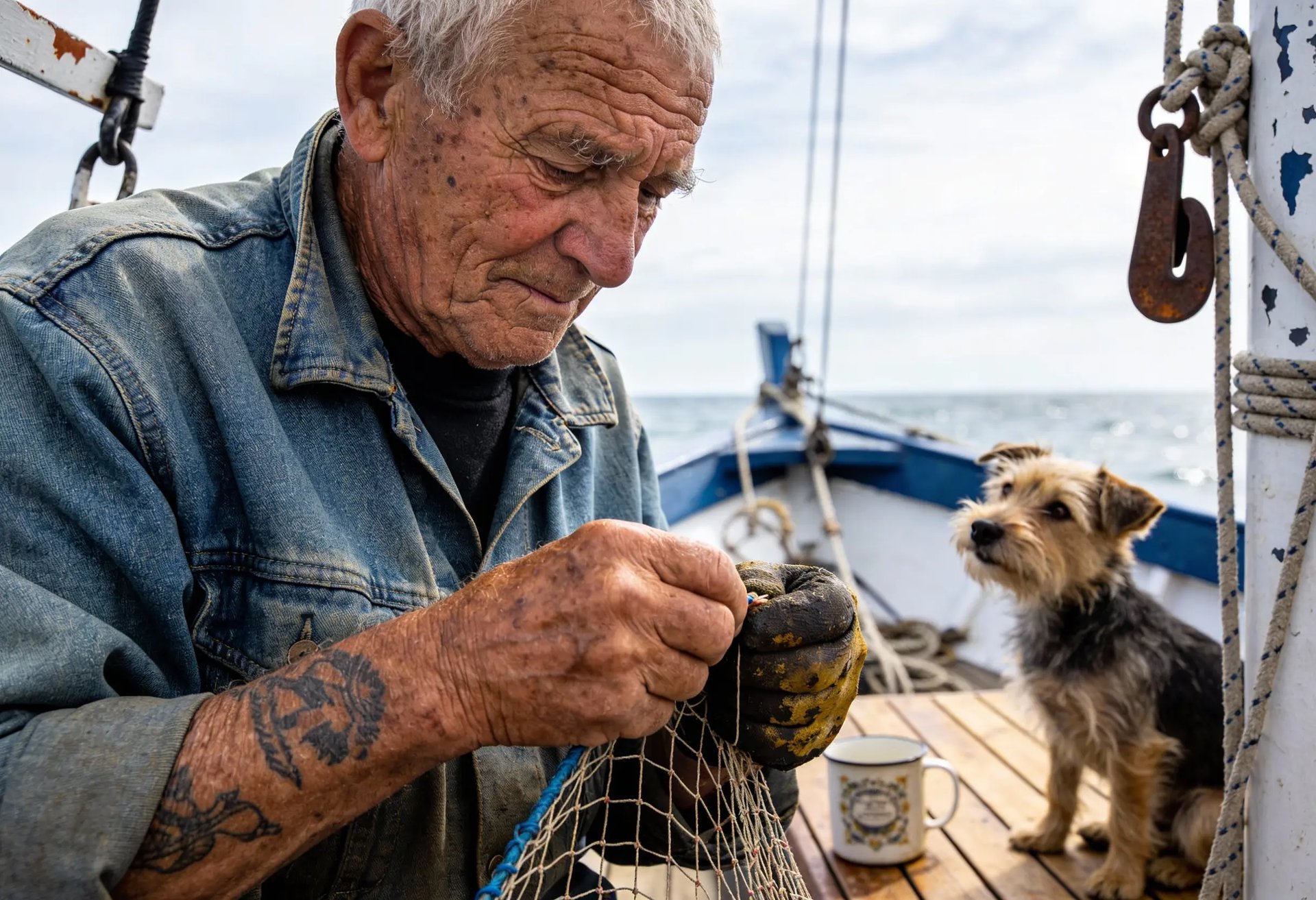
Grok Imagine is xAI’s AI video generation model for creating high-quality videos with realistic motion, native audio, and synchronized speech. Grok Imagine 1.5 introduces faster generation speeds, improved motion physics, and stronger visual consistency for modern AI video applications.
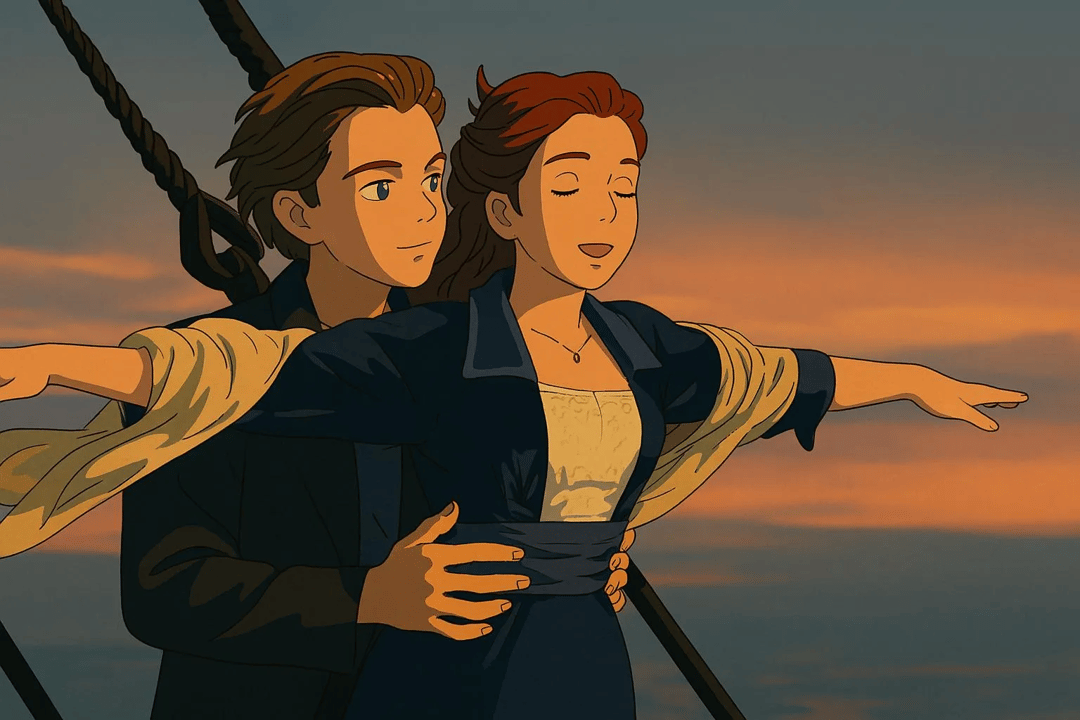
The GPT-Image-1 model, also known as ChatGPT 4o Image, is OpenAI’s latest AI image generation model. It understands both text and visual context, allowing developers to create and edit images with remarkable accuracy. Unlike traditional diffusion models, GPT-Image-1 follows instructions precisely, supports consistent styles, and renders legible text — making it ideal for applications in design, marketing, and creative automation.
واجهة برمجة تطبيقات صورة إلى صورة لإعادة التصميم البصري
أنشئ ميزات صور ذكية تبدأ من صورة حقيقية، وليس من نص وصف غير محدد. مع واجهة برمجة تطبيقات صورة إلى صورة من Kie.ai، يمكن للمطورين اختبار النماذج وتحويل الصور المصدرية. كما يمكنهم نشر سير عمل تحرير الصور وإعادة التصميم في البيئة الإنتاجية.
الميزات الرئيسية لواجهة برمجة تطبيقات Kie AI لتحويل الصور
واجهة برمجة تطبيقات تحويل الصورة إلى صورة متعددة النماذج لتحويل الصور بالذكاء الاصطناعي بمرن
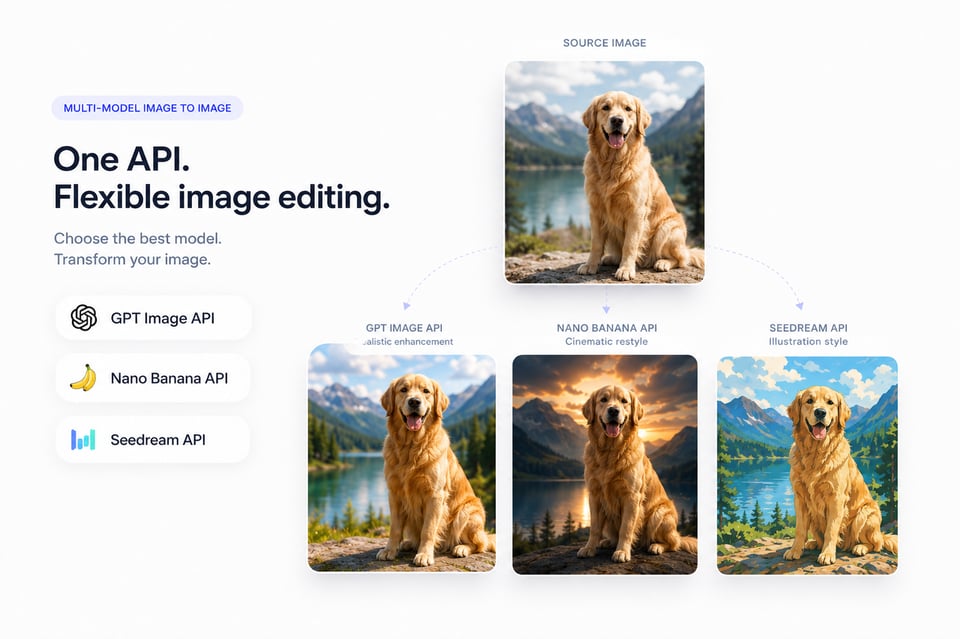
تُعطي واجهة برمجة تطبيقات (API) الصورة إلى الصورة القوية مرونة للمطورين لاختيار النموذج الأنسب لكل مهمة، بدلاً من إجبار كل عملية تحرير صور على نمط واحد فقط. تدعم Kie.ai أكثر من 30 خيارًا لواجهات برمجة تطبيقات (API) الصورة إلى صورة، بما في ذلك خيارات شائعة مثل GPT Image API وNano Banana API وSeedream API، مما يمكّن الفرق من مقارنة النتائج عبر تحويل الصور باستخدام الذكاء الاصطناعي، وتحرير الصور بناءً على المطالبات، وتحسين الصور الفوتوغرافية، وخلق تنويعات بصريّة. هذا يجعل تطوير واجهات برمجة تطبيقات الصور باستخدام الذكاء الاصطناعي أكثر مرونة للمنتجات التي تهتم بالحفاظ على الصور الأصلية، وجودة الصورة، وتنوع الأنماط، وسرعة الإنتاج، وتحكم التكاليف.
واجهة برمجة تطبيقات (API) الصورة إلى صورة القائمة على المطالبات، لتحرير الصور بصريًا بسهولة ودقة
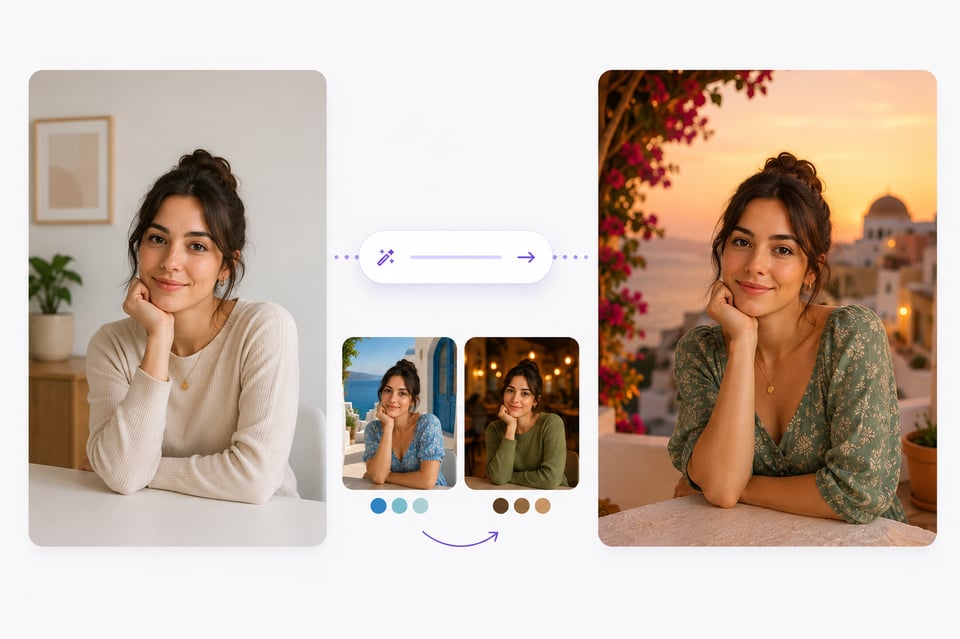
يوفر واجهة برمجة تطبيقات (API) الصورة إلى صورة القائمة على المطالبات (Prompt-based) إمكانية تحميل صورة مصدرية ووصف التغيير البصري المطلوب بدقة. يمكن أن توجه المطالبة تغيير الخلفية، أو تغيير الألوان، أو تعديل الإضاءة، أو تفاصيل الكائنات، أو تحديث الملابس، أو تغيير الجو السياقي، أو اتجاه النمط الإبداعي، مع الحفاظ على الصورة الأصلية كنقطة البداية البصرية. هذا يجعل تحرير الصور باستخدام الذكاء الاصطناعي بناءً على المطالبات أكثر تحكمًا من إنشاء الصور النصية فقط، وأكثر مرونة من العمل اليدوي التقليدي.
أكثر من 30 واجهة برمجة تطبيقات (API) لتعديل الصور، تُحافظ على تكوين الصور وتحسينها
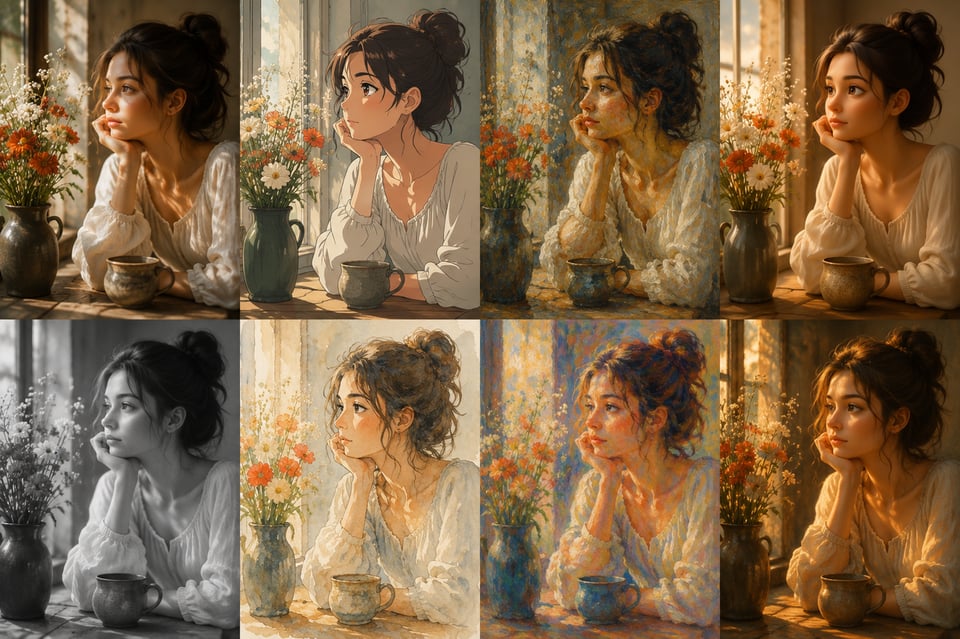
واجهة برمجة تطبيقات (API) لتحويل الصور تتيح تحويل صورة إلى أسلوب بصري جديد مع الحفاظ على التصميم الأصلي. يمكن للمستخدمين تحويل الصور الشخصية، أو صور المنتجات، أو صور الشخصيات، أو مراجع المشاهد إلى أنماط فنية مثل الأنمي، أو اللون الزيتي، أو السينمائية، أو الخيالية، أو ثلاثية الأبعاد، أو الرسم، أو التحريرية، أو ذات علامة تجارية. النتيجة تبدو جديدة، لكنها تحافظ على التخطيط والقصة البصرية للصورة الأصلية.
كيف تبدأ دمج واجهة برمجة تطبيقات الصورة إلى الصورة في Kie.ai
سجل، سجل الدخول، واحصل على مفتاح API لتحويل الصور
أنشئ حسابًا على Kie.ai وقم بتسجيل الدخول إلى لوحة التحكم لإنشاء مفتاح API الخاص بك. هذا المفتاح يربط تطبيقك بواجهات برمجة تطبيقات نماذج الصور في Kie.ai، مما يسمح بإرسال الصور والطلبات عبر الواجهة البرمجية.
اختر نموذجًا وجرّب واجهة برمجة تطبيقات تحويل الصور مجانًا في مساحة التجربة
اختر النموذج المناسب لسير عمل واجهة برمجة تطبيقات الصورة إلى الصورة، ثم جربه في ملعب Kie.ai قبل النشر. يمكنك تجربة خيارات شائعة مثل واجهة برمجة تطبيقات الصورة GPT، وواجهة برمجة تطبيقات Nano Banana، وواجهة برمجة تطبيقات Seedream، وتحميل صورة مصدرية، وإدخال نص توجيهي للتحويل، ومقارنة النتائج بناءً على دقة التعديل، جودة الصورة، التحكم بالأسلوب، الحفاظ على الصورة المصدرية، السرعة، وملاءمة التكلفة.
تطبيق واجهة برمجة تطبيقات النموذج المختار في منتجك
بعد التأكد من النموذج المناسب، قم بتطبيق واجهة برمجة تطبيقات هذا النموذج في تطبيقك أو منصة SaaS أو أداة إبداعية أو نظام التجارة الإلكترونية أو سير العمل الداخلي. يمكن لمنتجك إرسال الصور المحملة والنصوص التوجيهية عبر واجهة برمجة تطبيقات الصورة بالذكاء الاصطناعي، واستقبال نتائج الصور المُولدة، وتقديم ميزات تعديل الصور، إعادة تصميم الصور، نقل الأسلوب، أو إنشاء تنوعات صورية مباشرة داخل تجربة المستخدم.
Consistent Image Variation from One Image To Image API Input
Image variation becomes more useful when the output keeps the right elements stable. With an Image To Image API, a single input image can be used to generate multiple versions while maintaining key references such as character identity, product structure, pose, layout, or brand direction. Developers can support controlled variation for campaign assets, product previews, character design, avatar systems, and creative testing without producing disconnected or random-looking results.
القدرات المذهلة لواجهة برمجة تطبيقات تحويل الصورة إلى صورة: من التعديلات البسيطة إلى التحولات البصرية
نقل الأسلوب
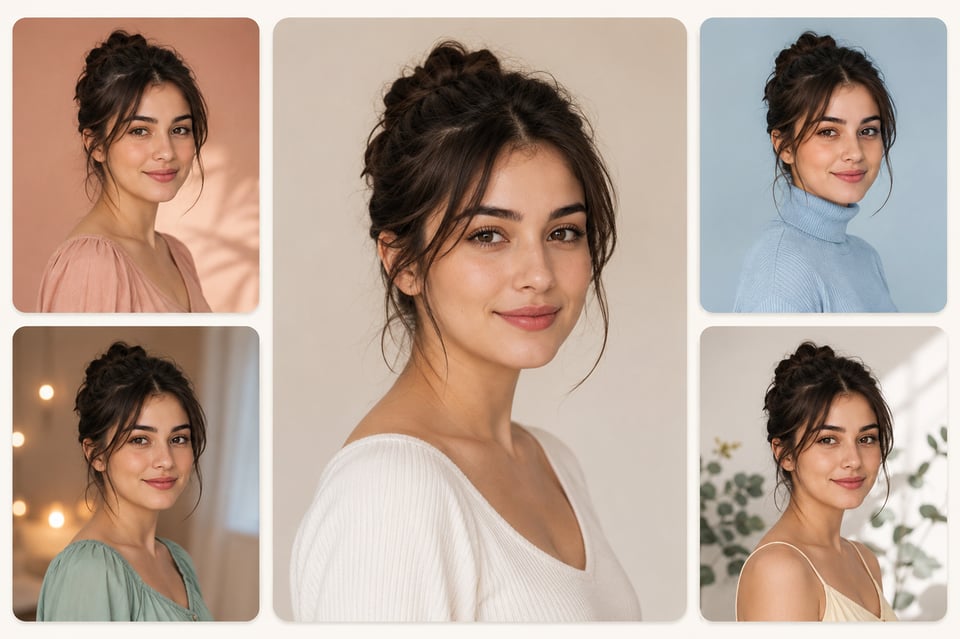
تغيير الخلفية
إزالة العناصر غير المرغوب فيها وتنظيف الصور من الفوضى
قارن بين GPT Image و Nano Banana و Seedream لواجهات برمجة تطبيقات إنشاء الصور
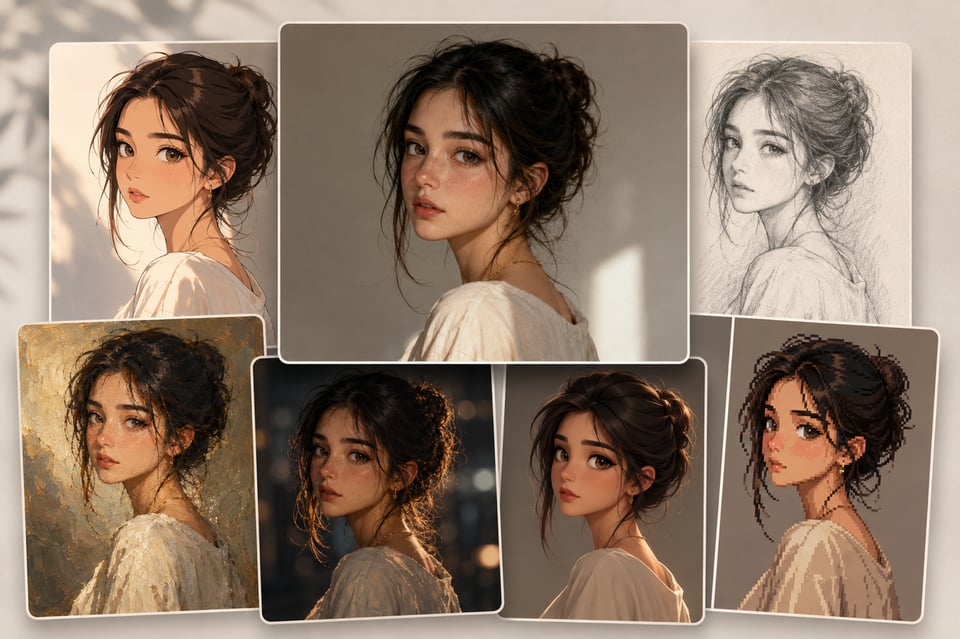
Image Style Transfer
Turn an existing image into a completely new visual style without losing the original idea. Image To Image API workflows can transform portraits, products, landscapes, or character images into anime, sketch, oil painting, cinematic, fantasy, 3D, pixel art, and other creative looks while keeping the main subject and structure recognizable.
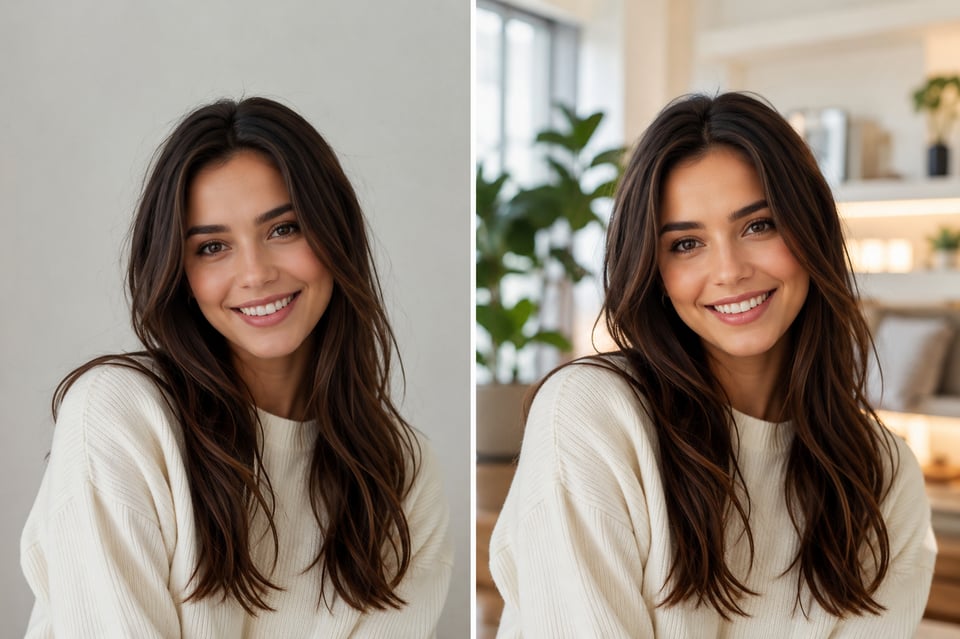
Background Replacement
Replace dull or distracting backgrounds with scenes that better match the final use case. A portrait can be placed in a studio, a product can move into a lifestyle setting, and a simple image can be rebuilt inside a more polished visual environment. This makes background editing one of the most practical Image To Image API applications for creative tools and commercial workflows.
Object Removal and Image Cleanup
Remove unwanted elements such as clutter, distracting objects, watermarks, or imperfections while keeping the overall image natural. Instead of just erasing parts of a photo, Image To Image API can regenerate surrounding areas so the final result feels cleaner, more complete, and visually consistent.
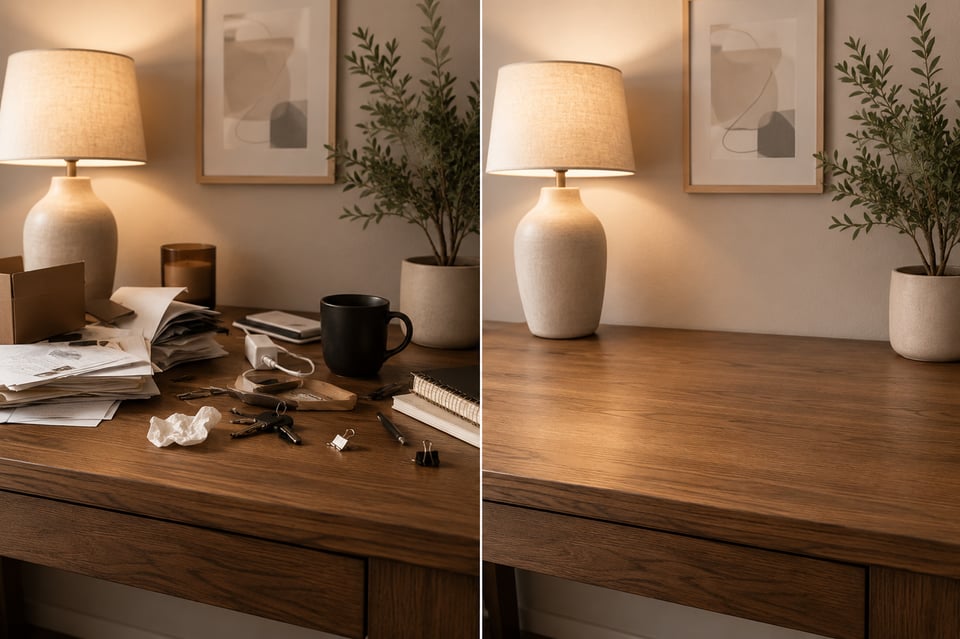
Photo Restyling
Restyle an uploaded image while preserving its original composition, subject structure, and key visual details. A photo can be reimagined with a different mood, color treatment, artistic direction, or branded aesthetic, making photo restyling a strong fit for apps that want to offer more than basic filters.
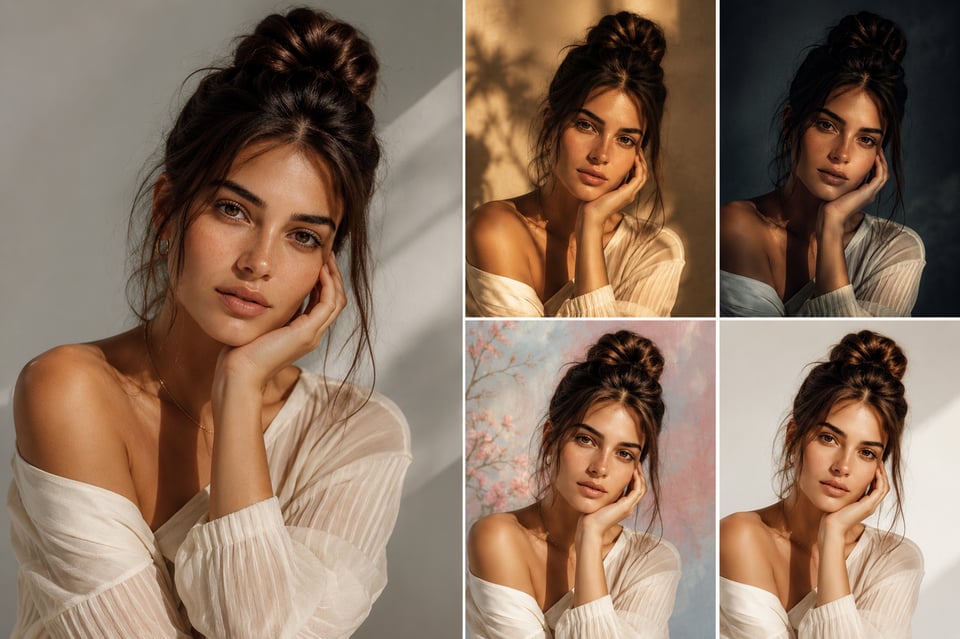
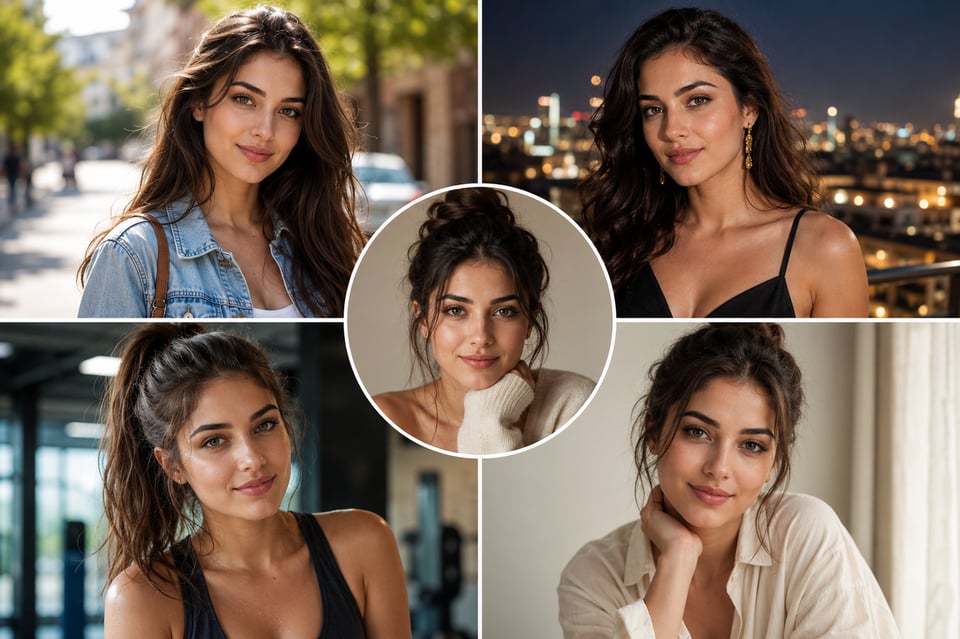
Consistent Character and Face Variations
Generate multiple variations from one source image while keeping the same face, character identity, or core layout intact. Users can explore different outfits, hairstyles, lighting, moods, or scene styles without losing continuity, which is especially useful for avatar tools, character design workflows, and visual series creation.
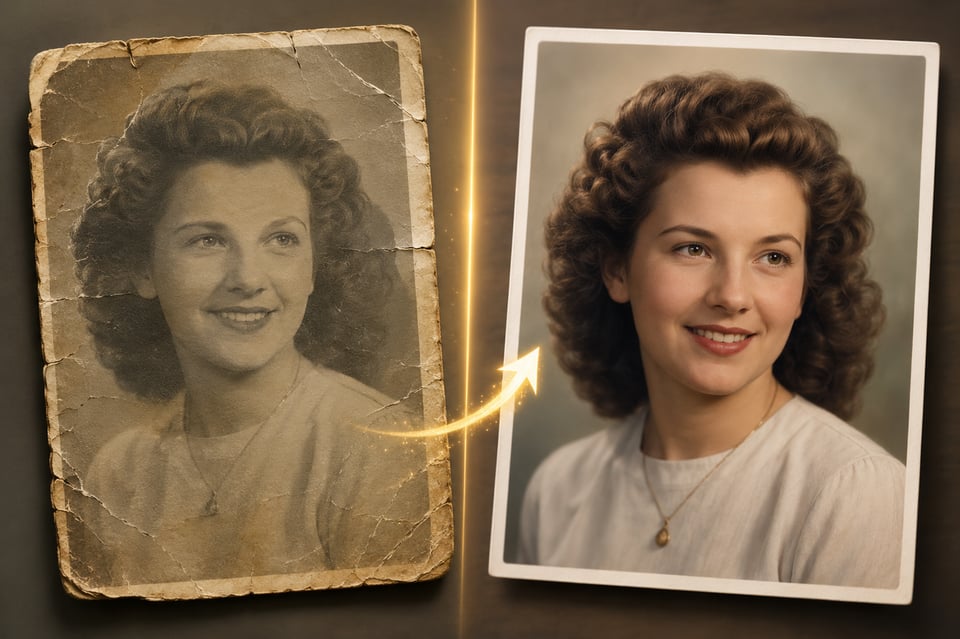
Old Photo Restoration and Enhancement
Bring faded, damaged, or low-quality images back to life through restoration and enhancement. Image To Image API can help repair scratches, improve clarity, restore missing detail, and refresh overall image quality while still respecting the original people, objects, and visual character of the photo.
لماذا تُستخدم واجهة برمجة تطبيقات تحويل الصورة إلى صورة عبر Kie.ai؟
| Dimension | GPT Image | Nano Banana | Seedream |
|---|---|---|---|
| Model Provider | OpenAI | Google DeepMind | ByteDance |
| Representative Models | GPT Image 1.5, GPT Image 2 | Nano Banana, Nano Banana Pro, Nano Banana 2 | Seedream 4.5, Seedream 5.0 Lite |
| Input Type | Supports text prompts, image inputs, and multi-image inputs for image generation and editing. | Supports text prompts, image inputs, and multi-image inputs for image generation and editing. | Supports text prompts, image inputs, and multi-image inputs for image generation and editing. |
| Output Quality | GPT Image 2 supports 1K, 2K, and 4K image output options. | Nano Banana Pro and Nano Banana 2 support 1K, 2K, and 4K image output options. | Seedream 4.5 supports 2K and 4K image output options, while Seedream 5.0 Lite supports 2K and 3K image output options. |
| Generation Speed | Generally fast for image generation and editing, but actual generation time depends on the selected model, output size, image quality setting, and prompt complexity. | Generally fast for creative iteration and image editing, but actual generation time depends on the selected model, output resolution, input type, and task complexity. | Generally fast for image generation and reference-based editing, but actual generation time depends on the selected model, output size, number of reference images, and task complexity. |
| Core Strength | Balanced image generation and prompt-based editing with strong instruction following. | Fast creative generation, multi-image fusion, and conversational image editing. | Reference-consistent image editing, commercial visuals, character consistency, and professional image quality. |
| Best For | General image generation, prompt-based image editing, product scenes, social graphics, and developer image workflows. | Fast variants, multi-image fusion, posters, social media visuals, and design-style content. | Product visuals, character consistency, reference-based editing, typography, and professional creative production. |
Why Build Image To Image API with Kie.ai
Better Value with Affordable Image To Image API Pricing
Kie.ai provides Affordable Image To Image API Pricing for developers who want to test, launch, and scale image transformation features without overspending. Whether the workflow involves image style transfer, background replacement, photo restyling, image cleanup, or visual variation, teams can control API costs more easily while still choosing the model that fits the output goal.
Complete Image To Image API Documentation
Kie.ai offers complete Image To Image API documentation to help developers move from testing to deployment with less friction. The docs cover the key parts of API integration, including authentication, model selection, request setup, image input, prompt usage, response handling, and deployment guidance, making it easier to connect Image To Image API workflows to real products.
24/7 Image To Image API Service
Kie.ai supports 24/7 Image To Image API service for teams that need stable access to image transformation capabilities. Developers can build user-facing image editors, creative tools, e-commerce workflows, and internal automation systems with API availability that supports continuous testing, generation, and production use.
Multiple Advanced 30+ Image To Image API Models
Kie.ai provides access to multiple advanced Image To Image API models, including popular options such as GPT Image API, Nano Banana API, and Seedream API. Instead of relying on one fixed model, developers can choose the right option for prompt-based editing, photo restyling, image style transfer, source image preservation, or creative visual transformation.