
성능 대비 가격이 좋은 이미지-비디오 API 가격 정책
Kie.ai는 빈번한 테스트, 반복 생성 또는 확장 가능한 제품 통합이 필요한 팀을 위한 성능 대비 가격이 좋은 이미지-비디오 API 가격 정책을 제공합니다. 개발자는 하나의 플랫폼에서 다양한 모델을 평가하고, 별도의 비디오 모델 제공업체 관리 없이 사용량을 효율적으로 관리할 수 있습니다.
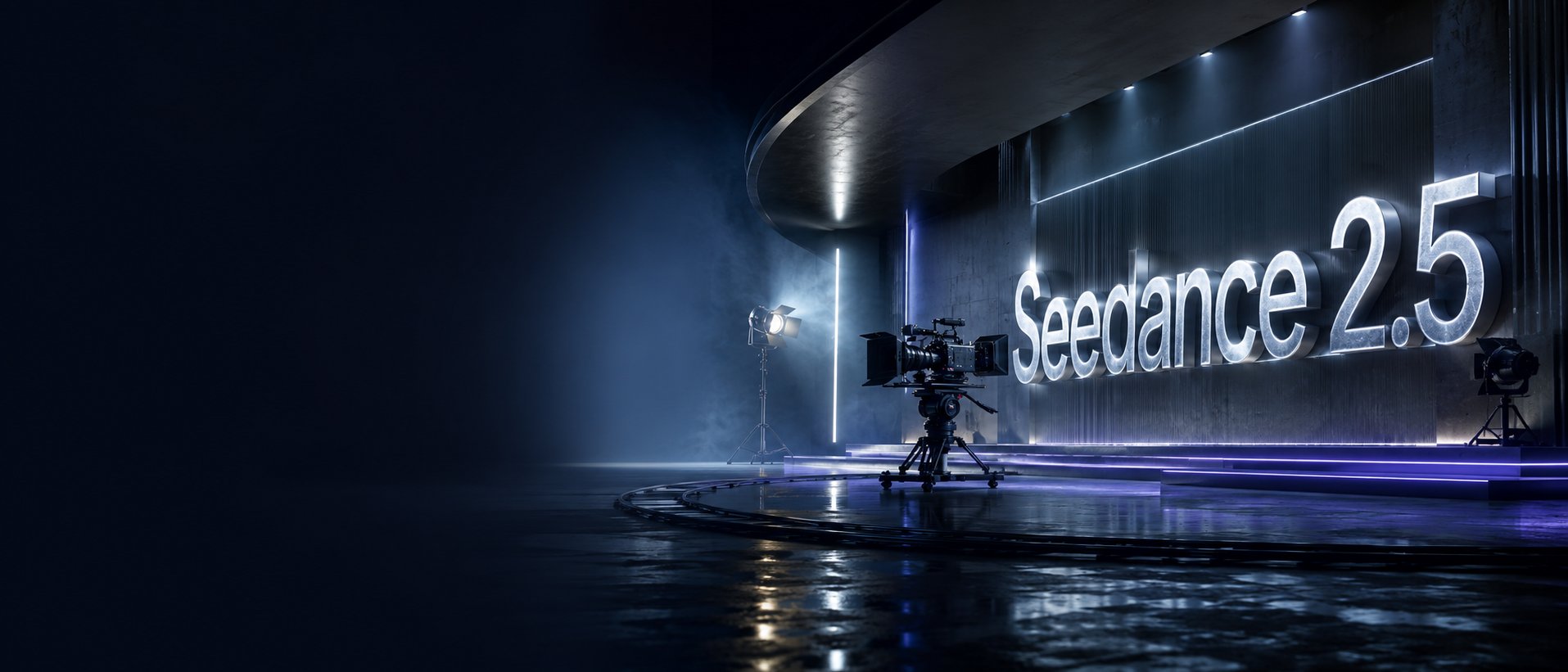
Seedance 2.5 on KIE is ByteDance’s upgraded AI video model, built for longer, more controllable video generation. It supports up to 30-second videos, multimodal references, precise editing, and improved consistency for more cinematic and production-ready creative workflows.
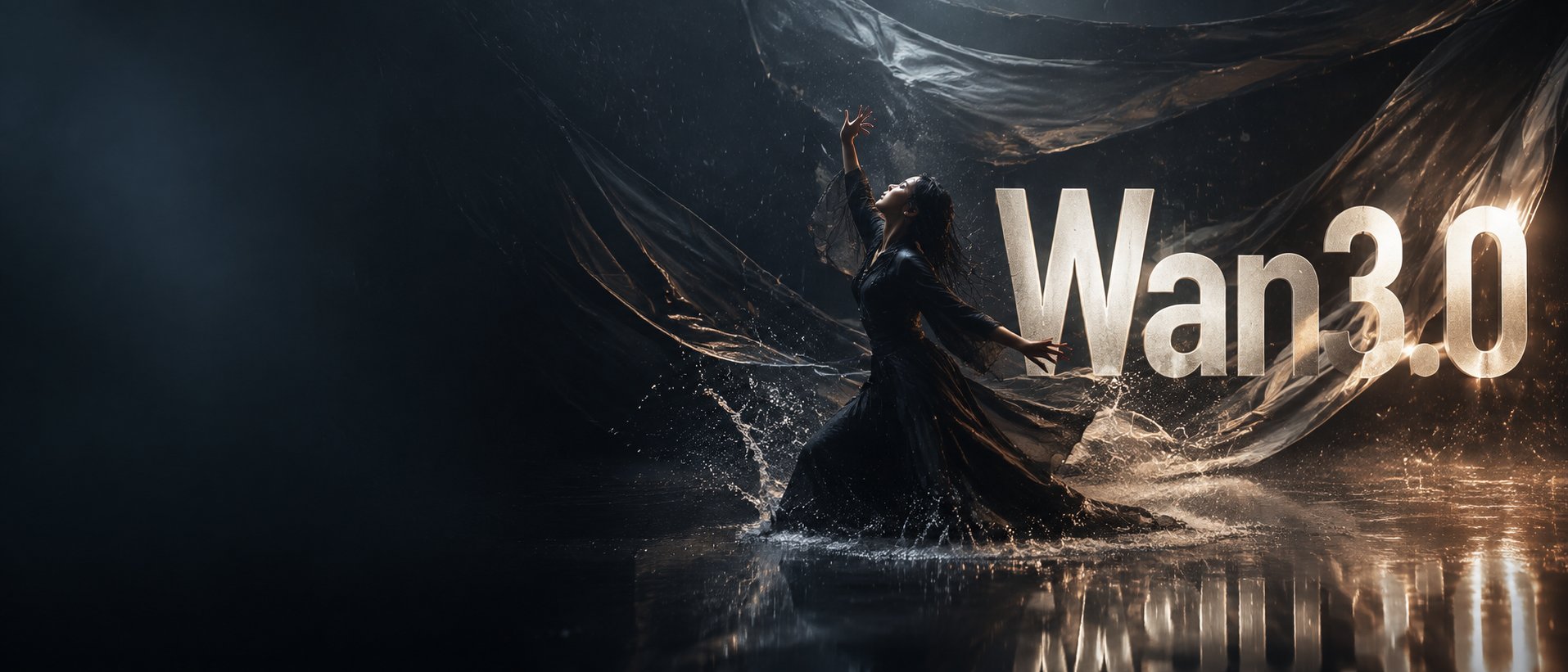
Wan3.0 is Alibaba’s next-generation all-in-one video generation model built for multimodal creation. It supports text, image, video, audio, and structured references to produce more consistent, realistic, and controllable video content with enhanced storytelling and editing capabilities.
Seedance 2.0 on KIE is a multimodal Al video model by ByteDance, optimized for fast and realistic video generation. It supports high-quality virtual human video creation with strong multi-shot consistency, enabling more lifelike and cinematic outputs across scenes.
GPT Image 2 is OpenAI’s next-gen image model built for stronger photorealism, cleaner image editing, sharper text rendering, and more polished product photography. Designed for more advanced visual workflows, it pushes image generation beyond basic text-to-image output and into higher-quality creative, commercial, and design-ready use cases.
Meet Nano Banana 2, Google’s Gemini 3.1 Flash Image model, now available via Kie AI API. Built for developers, it combines lightning-fast speed with Pro-level quality, accurate text rendering, strong character consistency, and scalable image generation and editing workflows.
Grok 4.6 is xAI’s latest frontier AI model, designed to enhance long-running agents, advanced reasoning, coding intelligence, and interactive AI experiences. Building on Grok 4.5, it delivers improved performance for complex multi-step tasks, knowledge work, software engineering, and creative applications.
Kling 4.0 Flash is a fast, cost-efficient AI video generation model from Kling AI, designed for high-frequency creative workflows. Built on the latest Kling 4.0 generation, it delivers stable dynamic motion and immersive audiovisual video creation while helping creators generate and iterate more efficiently.
Wan3.0 is Alibaba’s next-generation all-in-one video generation model built for multimodal creation. It supports text, image, video, audio, and structured references to produce more consistent, realistic, and controllable video content with enhanced storytelling and editing capabilities.
Wan 3.0 Video Prime is a high-speed AI video generation model from Alibaba's Wan model family. It delivers core capabilities aligned with Wan 3.0 Video while offering faster end-to-end generation, with multimodal references across audio, image, text, and video and video generation up to 30 seconds.
Seedance 2.0 Mini is ByteDance's cost-efficient AI video model designed for faster generation and lower inference costs. It supports text-to-video, image-to-video, consistent character generation, and cinematic motion, making it ideal for scalable AI video applications and production workflows.
Gemini Omni is Google’s released multimodal creation model built to create from different kinds of input, starting with video. Gemini Omni Flash is the first model in the Omni family, supporting practical video generation and editing workflows such as natural language edits, reference-based creation, scene transformation, and coherent visual storytelling.
HappyHorse-1.0 is an emerging AI video model developed by Alibaba ATH and has quickly become one of the most watched new names in AI video generation. It is associated with strong text-to-video and image-to-video performance, along with audio support and multilingual capability.
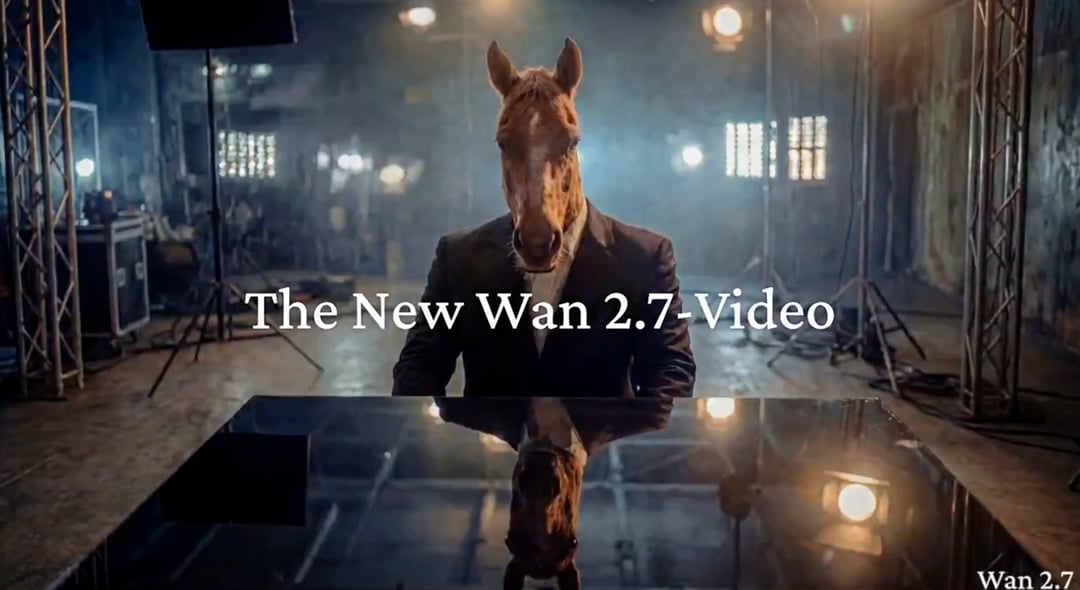
Wan 2.7 Video API is Alibaba Tongyi Lab's AI video suite, covering four generation modes — Text-to-Video, Image-to-Video, Reference-to-Video, and Video Edit. It supports full-modality input (text, image, video, audio) and outputs 720P–1080P video. Access all four modes through a single API on Kie.ai.
Seedance 2.0 on KIE is a multimodal Al video model by ByteDance, optimized for fast and realistic video generation. It supports high-quality virtual human video creation with strong multi-shot consistency, enabling more lifelike and cinematic outputs across scenes. With efficient generation speed, Seedance 2.0 typically averages around ~5 minutes per generation, while Seedance 2.0 Fast averages around ~4 minutes - making it a reliable choice for scalable, real-time content production.
Kie.ai의 AI 이미지-비디오 API로 이미지-비디오 기능을 구축하세요. 업로드한 이미지를 동적 비디오로 변환하고, 20개 이상의 AI 비디오 모델을 비교할 수 있습니다. 유연한 가격 정책, 명확한 문서화, 신뢰할 수 있는 API 접근을 통해 적절한 모델을 제품에 통합할 수 있습니다.
이미지-비디오 변환 워크플로우는 각기 다른 워크플로우에는 각기 다른 모델의 동작이 필요합니다. 제품 쇼케이스, 인물 애니메이션, 영화 스타일 장면, 아바타 클립, 소셜 미디어 이펙트, 스토리보드 미리보기 등은 모두 모션 품질, 프롬프트 적합성, 생성 속도, 비용, 오디오 지원, 시각 스타일 등에 따라 다른 균형이 필요합니다. Kie.ai를 통해 개발자는 Google, Kling, ByteDance Seedance, Grok Imagine, Wan, Hailuo 등 다양한 브랜드의 20개 이상의 이미지-비디오 변환 API 모델에 접근하고 비교할 수 있으며, 각 제품 시나리오에 맞는 모델을 선택할 수 있어 하나의 경로에만 의존하지 않도록 합니다.
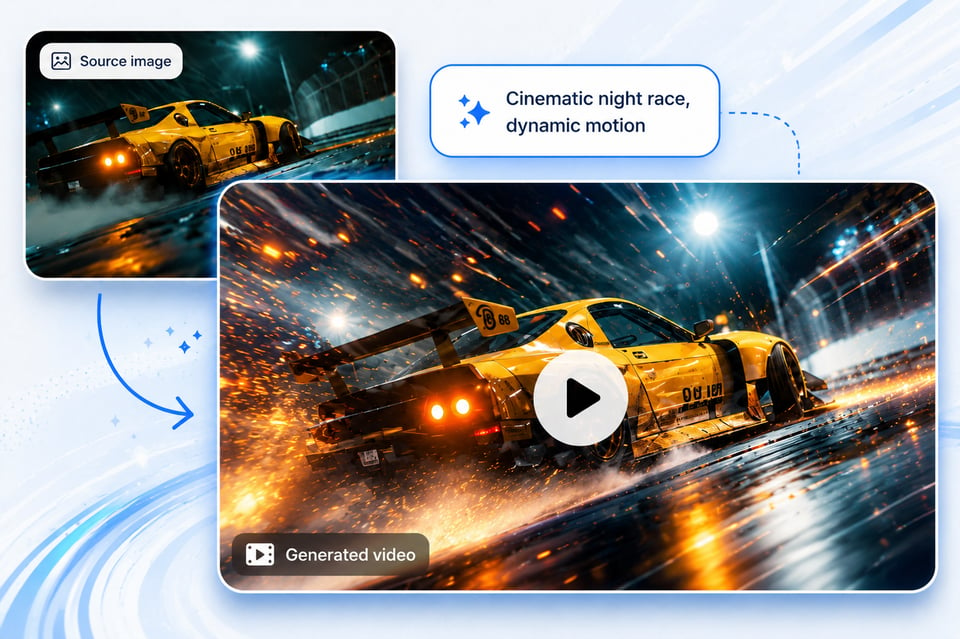
이미지-비디오 API의 핵심 가치는 업로드한 이미지에서 부드럽고 자연스러운 움직임을 생성하는 능력입니다. 강력한 API는 원본 이미지의 구성과 조명 방향, 주체 구조, 핵심 시각적 세부사항을 유지하면서도 카메라 이동, 환경 애니메이션, 물체 움직임, 얼굴 표정 변화, 제품 노출, 영화적 장면 동역학 등을 추가합니다. 이는 특히 상업적 시각 자료, 브랜드 자산, 크리에이터 도구, 사용자 인터페이스 애플리케이션에서 불안정하거나 비자연스러운 움직임이 출력 품질을 떨어뜨릴 수 있기 때문에 중요합니다.
프롬프트 기반 AI 이미지-비디오 API는 개발자와 사용자에게 더 많은 제어 가능성을 제공하여, 업로드한 이미지를 원하는 방식으로 동영상으로 변환할 수 있도록 합니다. 일반적인 애니메이션 프리셋을 적용하는 대신, 프롬프트를 통해 카메라 방향, 주체 행동, 분위기, 페이스, 조명, 배경 움직임, 시각 스타일 등을 지정할 수 있습니다. 예를 들어, 사용자는 천천히 확대되는 영화적 줌 인, 핸드헬드 다큐멘터리 촬영, 제품 회전, 캐릭터가 카메라 쪽으로 돌아보는, 주체 뒤로 가는 미세한 구름 움직임 등을 요청할 수 있습니다. 이는 이미지-비디오 생성을 더 방향성 있게, 반복 가능하게 만들어 제품화된 창의적 워크플로우에 적합하게 합니다.
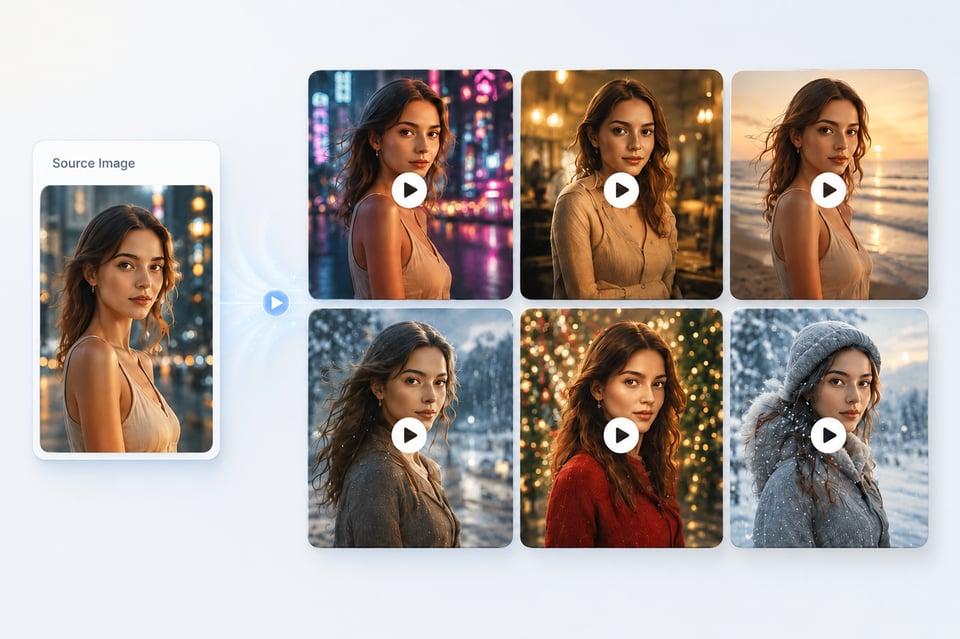
업로드된 이미지에 사람이 포함된 경우, 제품, 캐릭터, 브랜드 자산, 패션 아이템, 일러스트레이션 등이 포함된 경우 주체 일관성이 매우 중요합니다. 신뢰할 수 있는 이미지-비디오 API는 생성된 영상 전체에서 원본 주체를 유지하면서 움직임을 추가해야 합니다. 인물의 경우 얼굴 정체성, 머리 스타일, 표정, 체형을 가능한 한 유지하고, 제품의 경우 형태, 색상, 소재, 로고 위치, 디자인 세부사항을 유지하며, 캐릭터나 예술작품의 경우 원본 시각 언어를 안정적으로 유지하면서 애니메이션을 도입해야 합니다.
Kie.ai includes Wan AI video model APIs such as Wan 2.7 Video API, Wan 2.6 API, Wan 2.5 API, and Wan 2.2 Animate API for flexible AI video generation. These models give developers more Image to Video API choices for creative motion, animated portraits, stylized scenes, character movement, and visual transformation from uploaded images. Wan models are suitable for teams that want to test different motion behaviors and select the right model direction for cinematic, social, or experimental video features.
Kie.ai supports Hailuo 2.3 API and other Hailuo AI video models for practical Image to Video API workflows where teams need efficient video generation for social clips, creative previews, product content, marketing assets, and high-volume testing. Developers can use Hailuo models to balance speed, visual quality, and generation cost when building scalable image-to-video features.
Kie.ai 체험 공간에서 무료 크레딧으로 시작하여, 통합 전에 이미지-비디오 API 모델을 직접 테스트해보세요. 참조 이미지를 업로드하고 움직임 설명을 입력하면, 다양한 AI 비디오 모델이 카메라 이동, 주체 애니메이션, 장면 움직임, 시각 일관성 등을 어떻게 처리하는지 미리 확인할 수 있습니다.

움직임 품질, 프롬프트 적합성, 주체 보존, 생성 속도, 가격, 지원 설정, 출력 스타일 등을 기준으로 AI 이미지-비디오 API 모델을 비교하세요. 이를 통해 제품 영상, 인물 애니메이션, 아바타 클립, 소셜 미디어 이펙트, 영화 장면, 창의적 미리보기 등에 적합한 모델을 개발자가 선택할 수 있습니다.
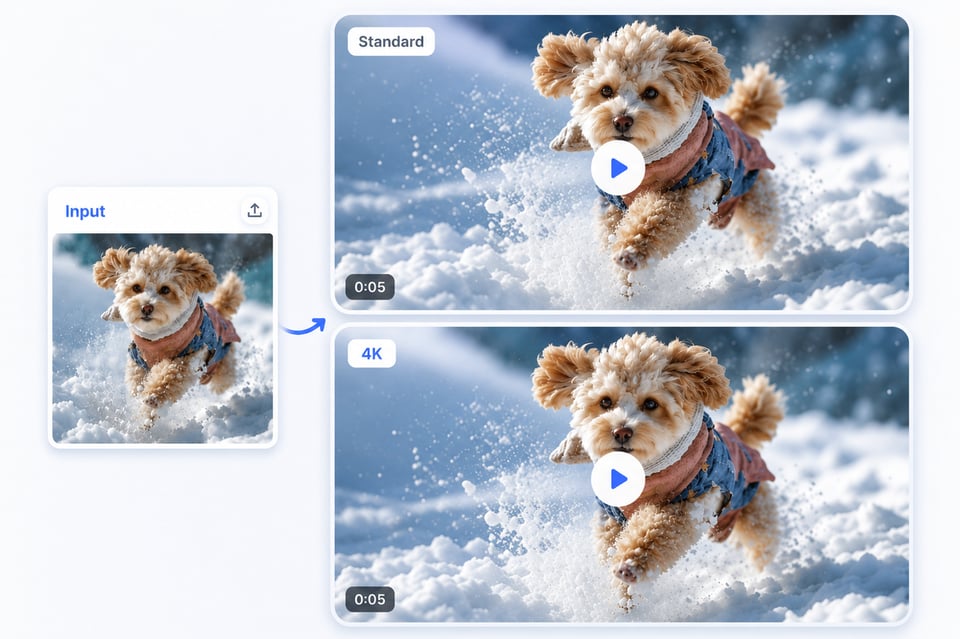
Kie.ai 계정을 생성하고 API 키를 발급받은 후, 선택한 이미지-비디오 API 모델을 제품에 연결하세요. Kie.ai 문서를 참고하여 이미지 입력 및 프롬프트를 전송하고, 생성 상태를 모니터링하며, 생성된 영상을 가져올 수 있습니다. 또한 앱, 플랫폼, 자동화된 콘텐츠 시스템을 위한 확장 가능한 이미지-비디오 기능을 구축할 수 있습니다.
Subject consistency is essential when the uploaded image contains a person, product, character, brand asset, fashion item, or illustration. A reliable Image to Video API should keep the original subject recognizable throughout the generated clip while adding motion. For portraits, this means preserving facial identity, hairstyle, expression, and body structure as much as possible. For products, it means maintaining shape, color, material, logo placement, and design details. For characters or artwork, it means keeping the original visual language stable while introducing animation.
Kie.ai는 빈번한 테스트, 반복 생성 또는 확장 가능한 제품 통합이 필요한 팀을 위한 성능 대비 가격이 좋은 이미지-비디오 API 가격 정책을 제공합니다. 개발자는 하나의 플랫폼에서 다양한 모델을 평가하고, 별도의 비디오 모델 제공업체 관리 없이 사용량을 효율적으로 관리할 수 있습니다.
생산 준비가 완료된 이미지-비디오 API는 단순한 생성 인터페이스가 아니라 명확한 문서가 필요합니다. Kie.ai는 인증, 요청 구조, 모델 파라미터, 생성 흐름, 응답 처리, 사용 요구사항 등 개발자 중심의 API 문서를 제공하여, 팀이 플레이그라운드 테스트에서 백엔드 통합으로 쉽게 전환할 수 있도록 지원합니다.
이미지-비디오 기능은 글로벌 앱, 크리에이터 플랫폼, 전자상거래 도구, 자동화 시스템 및 내부 제작 파이프라인에서 자주 사용됩니다. Kie.ai는 24시간 365일 이미지-비디오 API 접근을 지원하여, 지속적인 서비스가 필요한 사용자 및 워크플로우에 대해 비디오 생성을 항상 이용할 수 있도록 도와줍니다.
Kie.ai는 주요 비디오 모델 브랜드들(예: Veo, Manus, Vidu 등)의 20개 이상의 AI 이미지-비디오 API를 통합합니다. 개발자는 제품 영상, 인물 움직임, 캐릭터 애니메이션, 영화 장면, 소셜 효과, 창의적 미리보기 등 다양한 용도에 대해 별도의 통합 구축 없이 다양한 모델을 테스트할 수 있습니다.
이미지-비디오 API 워크플로우는 인물 사진, 제품 사진, 브랜드 자산, 컨셉 아트 등 민감한 시각 입력을 처리하는 경우가 많습니다. Kie.ai는 이미지 업로드와 생성된 비디오 출력에 대해 안전한 데이터 보안 처리를 지원하여, 사용자 생성 콘텐츠, 비즈니스 자산, 제작 미디어를 안정적으로 처리할 수 있는 제품에 적합합니다.
AI 비디오 모델은 움직임 품질, 프롬프트 적합성, 현실성, 속도, 기능 지원 등에서 지속적으로 개선되고 있습니다. Kie.ai는 AI 비디오 모델 라이브러리를 최신 상태로 유지하여, 모델 기능이 변경되더라도 제품 아키텍처를 재설계하지 않고도 새로운 이미지-비디오 API 옵션에 빠르게 접근할 수 있도록 지원합니다.
When developers choose an Image to Video API, the decision is not only about generation quality. Pricing, documentation, model coverage, service availability, data handling, and model update speed all affect whether the API can support real product integration. Kie.ai helps teams test, compare, and integrate AI Image to Video APIs with a more practical path from early experimentation to production deployment.
Kie.ai provides cost-effective Image to Video API pricing for teams that need frequent testing, repeated generation, or scalable product integration. Developers can evaluate different models through one platform and manage usage more efficiently, instead of handling separate pricing systems across multiple video model providers.
A production-ready Image to Video API needs clear documentation, not just a generation interface. Kie.ai provides developer-focused API docs covering authentication, request structure, model parameters, generation flow, response handling, and usage requirements. This helps teams move from playground testing to backend integration with less setup friction.
Image-to-video features often run inside global apps, creator platforms, ecommerce tools, automation systems, and internal production pipelines. Kie.ai supports 24/7 Image to Video API access, helping developers keep video generation available for users and workflows that need continuous service.
Kie.ai brings together 20+ AI Image to Video APIs across leading video model brands. Developers can test different models for product videos, portrait motion, character animation, cinematic scenes, social effects, and creative previews without rebuilding separate integrations for every provider.
Image to Video API workflows often process portraits, product photos, brand assets, concept art, and other sensitive visual inputs. Kie.ai supports secure data handling for image uploads and generated video outputs, making it more suitable for products that need to process user-generated content, business assets, and production media with confidence.
AI video models evolve quickly, with new versions improving motion quality, prompt adherence, realism, speed, and feature support. Kie.ai keeps its AI video model library updated so developers can access newer Image to Video API options more efficiently without rebuilding their product architecture whenever model capabilities change.
Image to Video API is used to turn a still image into a generated video through an API request. Developers can use it to build product showcase videos, portrait motion clips, character animation, social media effects, cinematic scene generation, avatar videos, and other image-based video features inside their own apps or platforms.
Yes. Kie.ai provides access to 20+ AI Image to Video APIs across multiple AI video model brands, including Google, Kling, ByteDance Seedance, Wan, Hailuo, Runway, Grok Imagine, and more. This allows developers to test different models and choose the right API based on motion quality, speed, cost, visual style, and feature support.
The right model depends on the type of video you want to generate. Cinematic scene videos may need a model with stronger camera movement and realism, while portrait animation may need better subject consistency. Product showcase videos may require stable object preservation, and social effect videos may prioritize speed and expressive motion. Kie.ai lets developers compare different Image to Video API models before integration.
Yes. Developers can test Image to Video API models on Kie.ai with free credits before integration. You can upload an image, write a motion prompt, compare model outputs, review pricing, and evaluate whether the selected model fits your product workflow before connecting it through API.
An AI Image to Video API usually requires an image input and a text prompt. The image provides the visual reference, while the prompt describes the motion, camera movement, subject action, mood, or scene behavior. Depending on the selected model, additional parameters may include duration, aspect ratio, resolution, generation mode, or other model-specific settings.
A good Image to Video API should preserve the main subject, composition, and important visual details while adding motion. For portraits, this may include facial identity, hairstyle, and body structure. For products, this may include shape, color, material, and branding details. The final level of consistency depends on the selected model, image quality, prompt design, and generation settings.
Yes. Kie.ai Image to Video API is suitable for product integration because it combines multi-model access, affordable Image to Video API pricing, API documentation, 24/7 service availability, secure data handling, and regular model updates. This makes it practical for apps, SaaS tools, creator platforms, ecommerce systems, marketing workflows, and automated video generation features.